
As Christian belief loses its influence across Western society, fundamental ideas about human identity, sexuality, life and human dignity are being redefined, according to Bishop Stefan Oster of Passau.
In a homily delivered for the Solemnity of the Assumption of the Blessed Virgin Mary, Oster argued that the Christian understanding of human dignity cannot ultimately be separated from belief that every person is created by God and bears His image.
According to LifeSiteNews, Oster warned that as societies become increasingly secular, the traditional foundation for understanding human dignity begins to disappear.
“If we are becoming increasingly secular – that is, if faith is steadily fading or being called into question – if the influence of the Christian churches in our country is becoming less and less relevant – then the descriptive nature of the concept of human dignity gradually disappears,” Oster said.
The bishop explained that society may continue to insist that human dignity must be protected while increasingly disagreeing over what dignity itself means.
Oster pointed to several major moral debates as examples of that shift, including abortion, assisted suicide and surrogacy.
He noted that abortion is increasingly discussed as a human right and cited a 2020 decision by Germany’s Constitutional Court emphasizing a right to self-determined death.
“To me, this is a breaking of the dam – and a reversal of what we mean by human dignity, which is a gift from our God, who is also Lord over life and death,” Oster said, according to LifeSiteNews.
The bishop also turned to contemporary debates surrounding sexuality and gender.
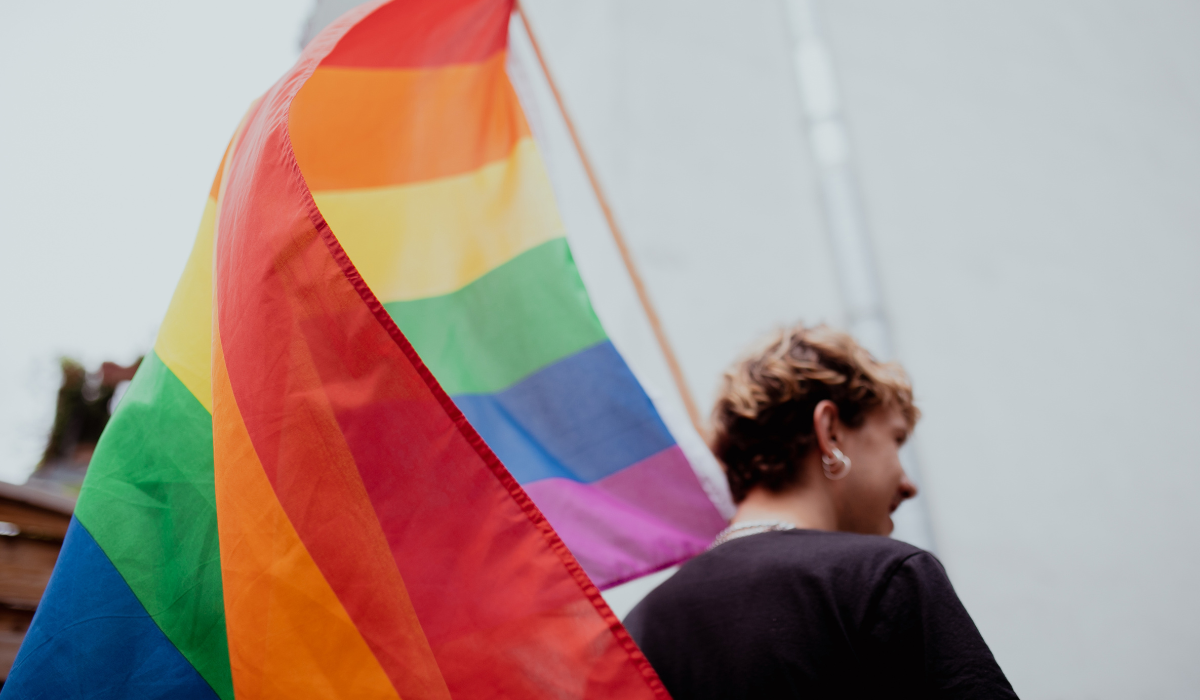
Reflecting on Christopher Street Day, an LGBT pride event, Oster said the “lifestyles, sexual preferences, and self-defined identities” presented there demonstrate “just how fundamentally society has changed.”
He acknowledged that democratic societies protect the freedom of people to express those views while stressing that Catholics are not required to accept every understanding of the human person that follows from them.
“At the same time, it becomes clear how difficult it is for us, as people of faith, to reconcile everything that is displayed or advocated there with our Christian view of humanity,” Oster said.
The bishop connected those cultural changes directly to declining belief in God.
“I believe that the perceived absence or perceived nonexistence of God has massively expanded the scope of what is possible within the broader context surrounding the topic of sex and gender,” Oster said. “And that most of this does not correspond to the biblical view of humanity.”
Yet Oster emphasized that disagreement with contemporary ideas about sexuality or gender can never justify denying another person’s inherent dignity.
“Without exception, all the people participating are beloved children of God with inalienable dignity,” he said of those attending LGBT pride events.
For Oster, the same principle extends far beyond questions of sexuality. He said Christian respect for human dignity must also encompass migrants and refugees, people from different cultures and faiths, people with disabilities, the elderly, women, children and those living on society’s margins.
“It always applies,” Oster said. “We are always called to respect every human being and, above all, never to resort to violence.”
Catholics therefore face a twofold responsibility, according to the bishop: remaining faithful to the Christian understanding of the human person while treating those who disagree with genuine love and respect.
“We may and should clearly state what aligns with our understanding of what it means to be human and what does not,” Oster said, “but we are also called to do so in love – a love that lives within us when we, too, live in union with Christ.”
His message places the debate over sexuality, abortion, assisted suicide and other contemporary moral questions within a broader spiritual issue: whether human dignity is something society defines for itself or something received from God.
For Catholics, Oster’s answer is clear. Human dignity does not depend upon social acceptance, political consensus, ability, age or personal identity. It begins with the truth that every human person is created by God, loved by God and called to live in accordance with the dignity He has given.
Your support brings the truth to the world.
Catholic Online News exists because of donors like you. We are 100% funded by people who believe the world deserves real, uncensored news rooted in faith and truth — not corporate agendas. Your gift ensures millions can continue to access the news they can trust — stories that defend life, faith, family, and freedom.
When truth is silenced, your support speaks louder.