
A growing number of Christians are turning to what they call “biblical eating,” blending nutrition advice with Scripture and promoting diets centered on whole, minimally processed foods mentioned in the Bible, according to a recent report from The New York Times.
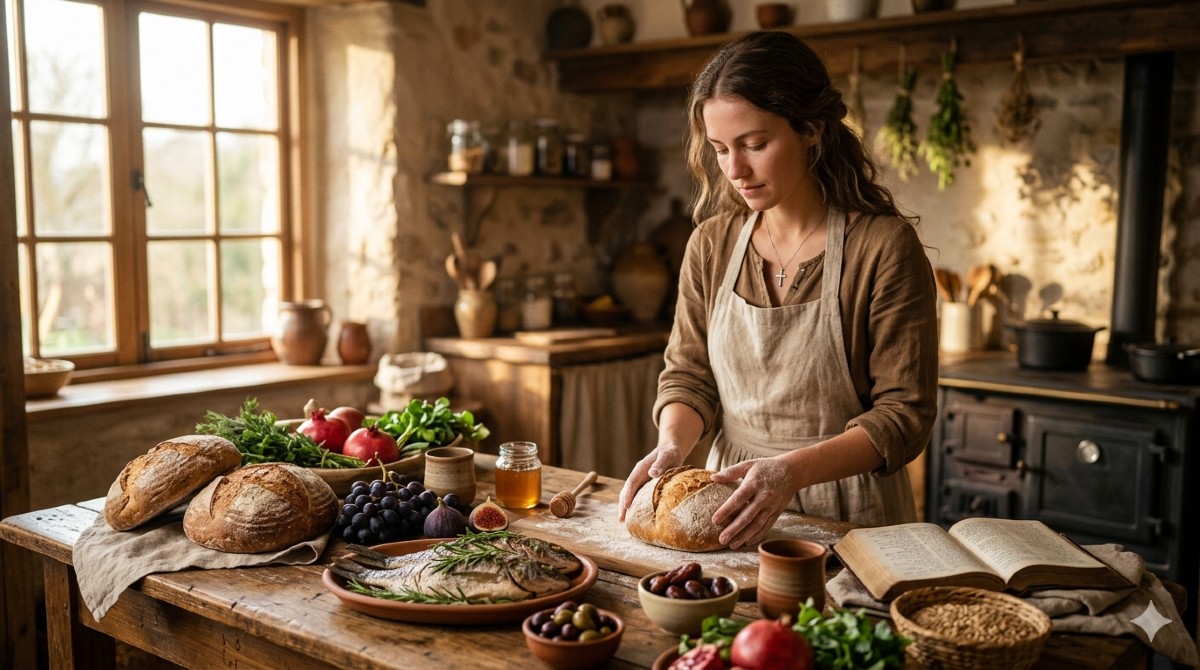
The trend, which has gained traction on social media, often encourages believers to consume foods such as fish, sourdough bread, raw dairy products, fruits, vegetables, and other natural ingredients associated with biblical times. Advocates say the approach is not only about physical health, but also spiritual discipline and stewardship of the body.
Kayla Bundy, a Christian content creator with more than 500,000 TikTok followers, told The New York Times that she began studying Scripture through the lens of food after experiencing health improvements from cutting out refined sugar. “I had never really thought to look to the Bible for a recipe book,” Bundy said, according to The New York Times. She added, “Sin entered into the world through food, and Satan doesn’t stop there. Food, for me, is really like a weapon of how I can fight back.”
Bundy reportedly promotes “biblical superfoods” and sells coaching sessions related to her dietary approach. Other influencers have emerged online as well, combining faith-based messaging with nutrition guidance.
Annalies Xaviera, a Georgia mother who shares biblical eating content online, told The New York Times that her following surged this spring. She said her approach is centered on preparing meals at home and eating whole foods. “The Bible says that God appreciates and celebrates small steps of obedience,” she said, according to the newspaper.
The movement comes amid broader national conversations about processed foods, artificial ingredients, and nutrition policy. The New York Times noted that some goals promoted by the “Make America Healthy Again” movement — such as reducing artificial additives in foods — overlap with concerns expressed by biblical eating advocates.
While some Christians have long participated in practices such as the Daniel Fast or traditional religious dietary customs, social media has given renewed visibility to these ideas. Celebrities including Chris Pratt and Mark Wahlberg have publicly discussed fasting and faith-based wellness practices in recent years.
Christian dietitian Abbie Stasior told The New York Times that Scripture can provide spiritual encouragement alongside standard nutrition advice. Referring to the Gospel account of Christ eating with His disciples, she said Jesus shared “a balanced breakfast of bread and fish.” “He’s got carbs and protein,” she remarked.
Catholics have long recognized the importance of fasting, moderation, and discipline in food consumption. The Church teaches that the human body is a gift from God and a temple of the Holy Spirit (1 Corinthians 6:19-20), while also warning against reducing health or diet to an idol or substitute for authentic spiritual conversion.
Jennifer R. Ayres, a professor at Emory University, told The New York Times that much of the online discussion surrounding biblical eating emphasizes personal decision-making more than broader food-system concerns.
Nutrition expert Dr. Marion Nestle also cautioned that wellness culture is often driven by personal belief and experience. “Diet is about belief,” she told The New York Times, adding that many people today are “desperate for meaning in their lives.”
For many Christians participating in the trend, however, the appeal appears to go beyond health alone. Xaviera encouraged believers to pray even during moments of temptation or craving. “When you’re in a craving,” she said, “have you ever thought to stop and pray?” according to The New York Times.
Your support brings the truth to the world.
Catholic Online News exists because of donors like you. We are 100% funded by people who believe the world deserves real, uncensored news rooted in faith and truth — not corporate agendas. Your gift ensures millions can continue to access the news they can trust — stories that defend life, faith, family, and freedom.
When truth is silenced, your support speaks louder.


