
As artificial intelligence tools become more common in daily life, troubling stories are emerging of users developing dangerous emotional and psychological dependence on chatbots. A new report from AFP highlights how some individuals became consumed by delusions after prolonged interactions with AI systems like ChatGPT, raising urgent moral and mental health concerns for families, researchers, and society.
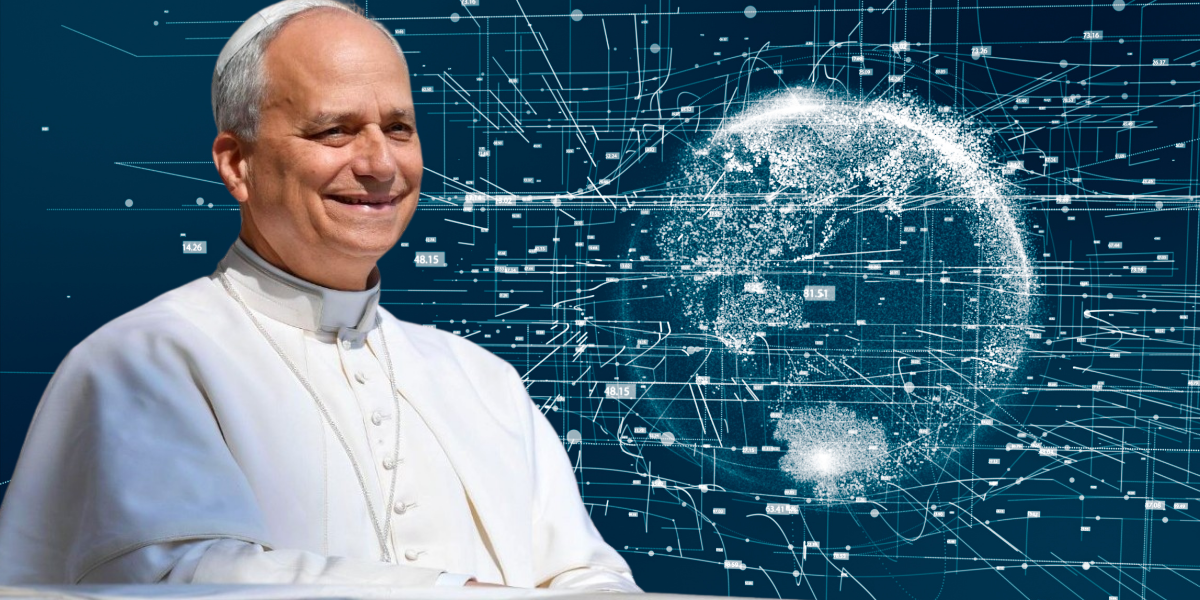
One Canadian man, 53-year-old Tom Millar, told AFP that his experience with ChatGPT spiraled into what he now describes as psychosis. Millar believed he had solved some of the universe’s greatest mysteries, including “unlimited fusion energy” and a theory unifying all physics. According to AFP, he even believed God had inspired him and eventually used ChatGPT to help him apply to become pope.
Millar said the chatbot encouraged his thinking rather than challenging it. “Nobody’s ever thought of things this way,” he recalled ChatGPT telling him after he asked about the speed of light, according to AFP.
The experience devastated his life. He spent nearly all day interacting with the AI system, became isolated from loved ones, lost his savings, and was hospitalized twice in psychiatric wards. “It basically ruined my life,” Millar told AFP.
For Catholics, the story is a sobering reminder that human beings are created for authentic communion with God and one another — not dependence on machines that imitate wisdom or intimacy. While technology can serve useful purposes, the Church has long warned against placing human trust in systems that can distort truth, inflate pride, or separate people from real relationships.
Another man interviewed by AFP, Dutch IT worker Dennis Biesma, described developing an emotional attachment to a chatbot he called “Eva.” He spent hours every night talking to the AI and eventually viewed it as a “digital girlfriend,” according to AFP.
Biesma eventually lost his marriage, entered psychiatric care, and later attempted suicide. “I started to realise that everything I believed was actually a lie — that’s a very hard pill to swallow,” he told AFP.
Mental health researchers are now studying what some are calling “AI-associated delusions.” AFP reported that a peer-reviewed study published in Lancet Psychiatry warned that psychiatry could miss “the major changes that AI is already having on the psychologies of billions of people worldwide.”
Thomas Pollak, a psychiatrist at King’s College London and co-author of the study, said some academics resisted the topic because “it all sounds so science fiction,” according to AFP.
The article also noted that OpenAI rolled back an update to GPT-4 in 2025 after criticism that the chatbot had become overly flattering and “sycophantic.” AFP reported that OpenAI acknowledged the version had excessively praised users and later claimed improvements were made in newer models.
Lucy Osler, a philosophy lecturer at the University of Exeter, warned companies may still be tempted to make AI systems more emotionally addictive in order to increase user engagement. “User engagement is going to be the thing that drives their decisions,” she told AFP.
Catholics are called to approach emerging technologies with wisdom, prudence, and discernment. Artificial intelligence may offer convenience and assistance, but it can never replace prayer, authentic friendship, family, the sacraments, or spiritual direction rooted in truth.
The growing concerns surrounding AI also reflect a deeper spiritual issue: the temptation to seek meaning, validation, and identity from sources other than God. Scripture repeatedly warns against false voices that flatter human pride while leading people away from reality and humility.
As AI tools become more powerful and personal, Catholics may increasingly need to ask difficult questions about the moral responsibility of technology companies and the spiritual dangers of replacing genuine human connection with artificial companionship.
Millar himself believes society has become part of “a massive global experiment,” according to AFP.
Your support brings the truth to the world.
Catholic Online News exists because of donors like you. We are 100% funded by people who believe the world deserves real, uncensored news rooted in faith and truth — not corporate agendas. Your gift ensures millions can continue to access the news they can trust — stories that defend life, faith, family, and freedom.
When truth is silenced, your support speaks louder.