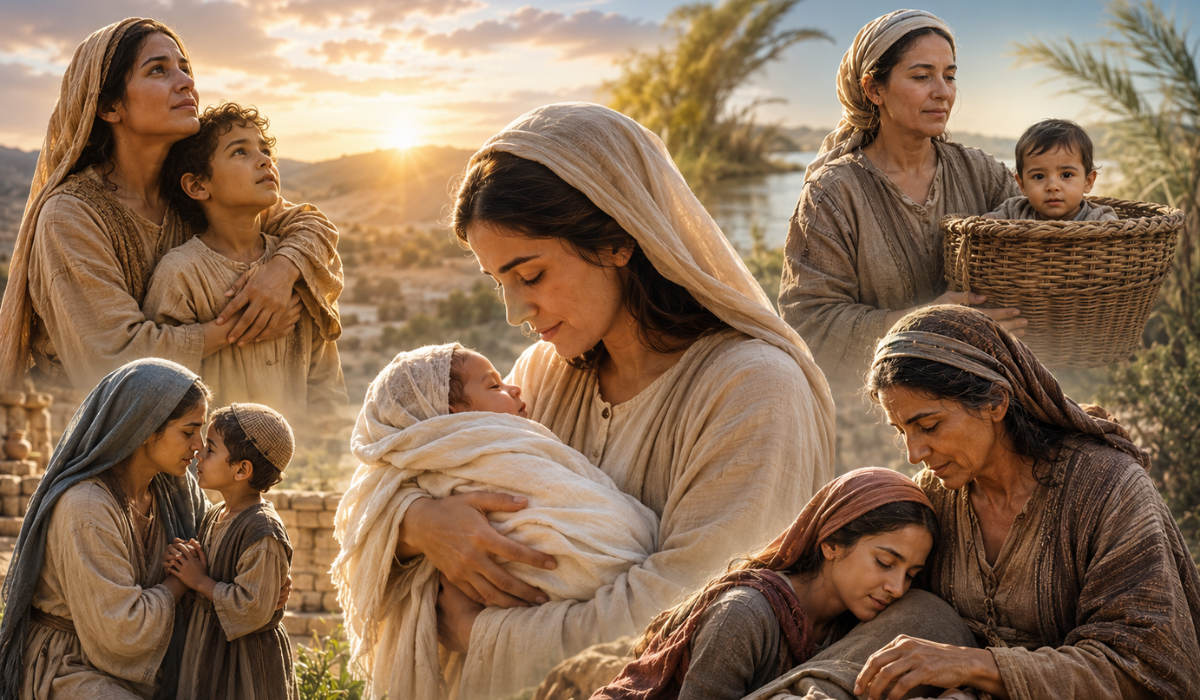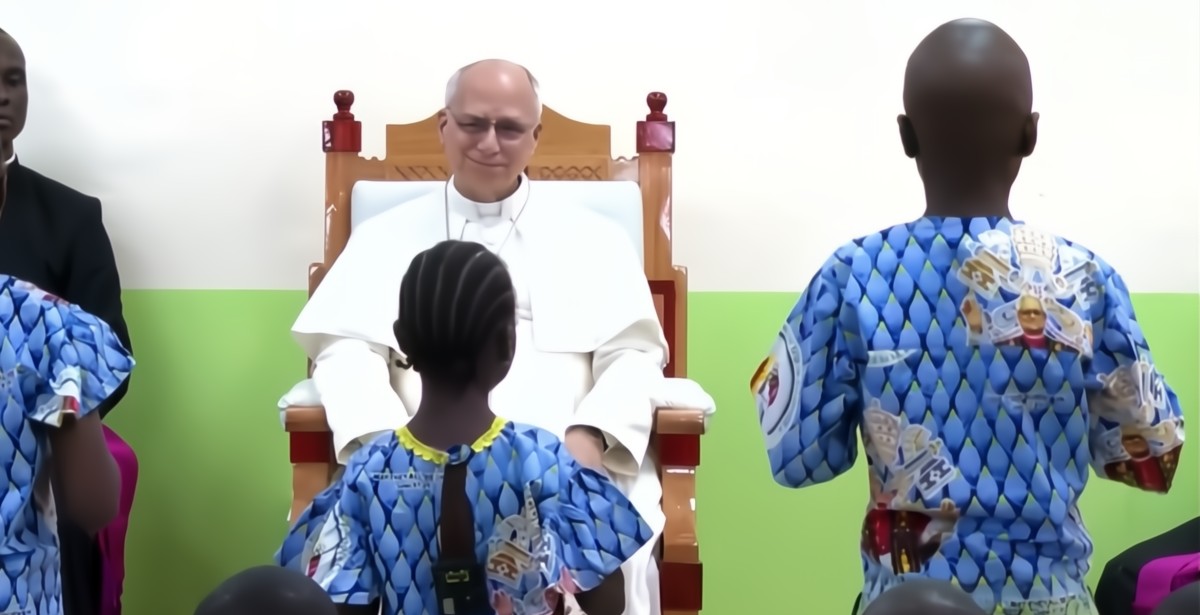


A prominent Asian cardinal has called on the Catholic Church to reconsider how it understands and supports families amid changing social realities, raising important questions about the relationship between pastoral care and the Church’s longstanding teachings on marriage.
Cardinal Filipe Neri Ferrão, archbishop of Goa and Daman in India and president of the Federation of Asian Bishops’ Conferences, addressed these challenges on Oct. 8 during a Vatican gathering commemorating the tenth anniversary of Pope Francis’ apostolic exhortation Amoris laetitia.
Speaking at the Paul VI Hall in Vatican City, Cardinal Ferrão described significant changes affecting family life, including the growing prevalence of smaller households, interfaith marriages, cohabitation and evolving attitudes toward gender and relationships.
According to LifeSiteNews, the cardinal’s remarks have prompted questions about whether the Church’s response to these developments should focus primarily on new pastoral approaches or a renewed emphasis on traditional Catholic teaching.
A Changing Understanding of Family Life
In his address, Cardinal Ferrão suggested that the Church must recognize the increasingly complex circumstances facing families rather than approach them through a single model.
“Ten years after the promulgation of Amoris Laetitia, the experience of the Synod continues to challenge us: there is no single stereotype of an ideal family, but rather a challenging mosaic of diverse realities, marked by joys, hopes, struggles and wounds,” the cardinal said.
He identified several developments reshaping family structures, particularly in Asia, where traditional extended households are increasingly being replaced by smaller nuclear families.
The cardinal also acknowledged that “new forms of partnership and cohabitation are emerging, amid changing understandings of gender and relationships in urban settings.”
These developments, he suggested, require the Church to examine how it accompanies families experiencing circumstances that differ from the traditional Catholic understanding of marriage.
The remarks raise a significant question for Catholics: How can the Church respond compassionately to changing family situations while remaining faithful to its teachings on marriage as a lifelong union between one man and one woman?
Pastoral Care and the Church’s Moral Teachings
One of the central themes of Cardinal Ferrão’s address was the need for pastoral accompaniment that recognizes the individual circumstances of families.
He cautioned against approaching complex family situations with predetermined responses, saying pastoral care cannot “arrive with ready-made answers.”
He also emphasized that “fragility is not the absence of grace,” suggesting that families facing difficulties or living in irregular circumstances should not be regarded as beyond the reach of God’s love.
The cardinal challenged Church leaders to reconsider their approach to guiding families, warning against simply “standing far off and pointing at the destination.”
Instead, he advocated a more participatory relationship in which families are recognized as active contributors to the Church’s evangelizing mission.
Catholic teaching has long emphasized the importance of treating every person with dignity, compassion, and pastoral concern. At the same time, the Church maintains that marriage is a sacred covenant between a man and a woman, ordered toward their good and the generation and education of children.
The distinction between accompanying individuals in difficult circumstances and changing the Church’s moral teachings remains central to discussions surrounding Amoris laetitia.
Cardinal Ferrão’s address, as reported, did not announce a formal change to Catholic doctrine.
Can Families Become Places of Divine Revelation?
Another notable element of the cardinal’s presentation concerned the spiritual role of families within the Church.
“In our local Churches, we recognise the family as a privileged locus of revelation,” he said.
The expression introduces a theological question about how the Church understands divine Revelation and the role of lived Christian experience.
Catholic doctrine teaches that God’s definitive Revelation is fulfilled in Jesus Christ and transmitted through Sacred Scripture and Sacred Tradition. The Church does not regard changing social circumstances as sources of new public Revelation.
Nevertheless, Catholic theology also recognizes the family as a domestic church, where faith is lived, transmitted, and strengthened through prayer, sacrifice, and daily relationships.
The cardinal’s language therefore raises questions about how the experience of families should inform pastoral discernment without being understood as replacing or altering the deposit of faith.
A Vatican Gathering Marking Ten Years of Amoris Laetitia
Cardinal Ferrão delivered his remarks during an eight-day Vatican gathering that began October 7, commemorating a decade since the publication of Amoris laetitia, Pope Francis’ 2016 apostolic exhortation on love in the family.
The document has remained an important reference point in Catholic discussions about marriage, family life, pastoral accompaniment, and the Church’s relationship with Catholics experiencing irregular marital situations.
According to LifeSiteNews, the gathering has included speakers whose approaches to contemporary pastoral questions have generated controversy among more traditionally minded Catholics.
Cardinal Ferrão, who was elevated to the College of Cardinals by Pope Francis in 2022, also served on the drafting committee for the 2024 Synod on Synodality.
His leadership position within the Federation of Asian Bishops’ Conferences gives his remarks particular significance as the Church considers the challenges facing Catholic families across culturally and religiously diverse societies.
A Continuing Challenge for the Catholic Church
Perhaps the most consequential question raised during Cardinal Ferrão’s address concerned what the Church itself might need to reconsider.
“What is the Holy Spirit asking the Church to change – not only in what we do for the families, but in how we understand, accompany and empower them as protagonists of the Gospel and as enduring loci of God’s revelation,” he asked.
For Catholics, the challenge is not simply whether pastoral practices should adapt to changing circumstances, but how those adaptations can remain consistent with the Church’s enduring understanding of marriage, family, and divine Revelation.
The Church’s mission includes welcoming those experiencing hardship, offering spiritual guidance, and helping families grow in holiness. That mission also includes proclaiming the teachings of Christ, even when those teachings challenge prevailing cultural attitudes.
As discussions surrounding Amoris laetitia continue, Cardinal Ferrão’s remarks highlight an ongoing debate over how the Catholic Church can address contemporary family realities while preserving the doctrinal foundations of Catholic marriage and family life.
Whether the Vatican gathering will produce specific pastoral recommendations remains to be seen.
Your support brings the truth to the world.
Catholic Online News exists because of donors like you. We are 100% funded by people who believe the world deserves real, uncensored news rooted in faith and truth — not corporate agendas. Your gift ensures millions can continue to access the news they can trust — stories that defend life, faith, family, and freedom.
When truth is silenced, your support speaks louder.