
Pope Leo XIV delivered a powerful message about the Final Judgment, reminding Catholics that the return of Christ is not simply a moment of divine judgment, but also the fulfillment of God’s promise of salvation, mercy, and justice.
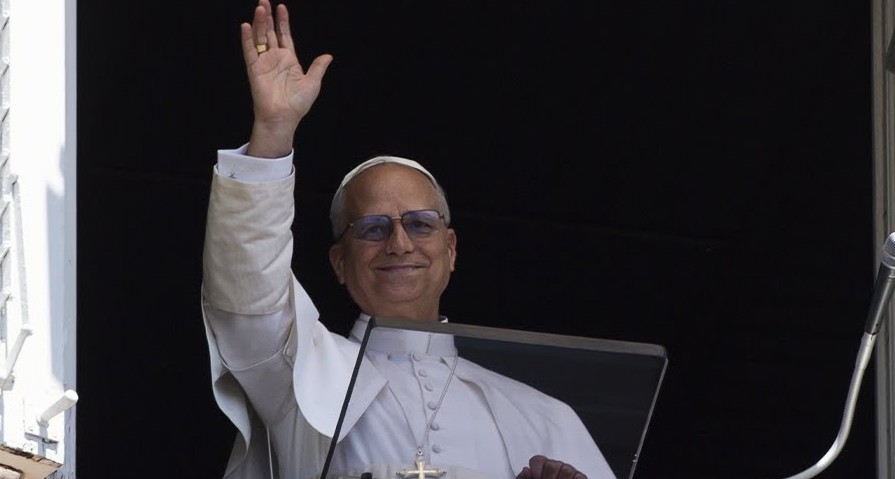
Speaking during his Angelus address on Sunday, November 22, as the Catholic Church celebrated the Solemnity of Our Lord Jesus Christ, King of the Universe, the Holy Father reflected on what it means to stand before Christ at the end of time.
According to Vatican News, the Pope emphasized that Jesus Christ is the ultimate standard by which humanity will be judged, and that His kingship reveals a justice unlike the power and authority exercised by earthly rulers.
“Christ is the measure of justice because He is the author of salvation, by illuminating our relationships, He reveals their truth in Himself, in opposition to all forms of corruption,” Pope Leo XIV said.
The Holy Father’s message placed particular emphasis on the relationship between divine justice and mercy, explaining that God’s judgment must be understood through the saving mission of Jesus Christ.
The Final Judgment Reveals God’s Mercy and Justice
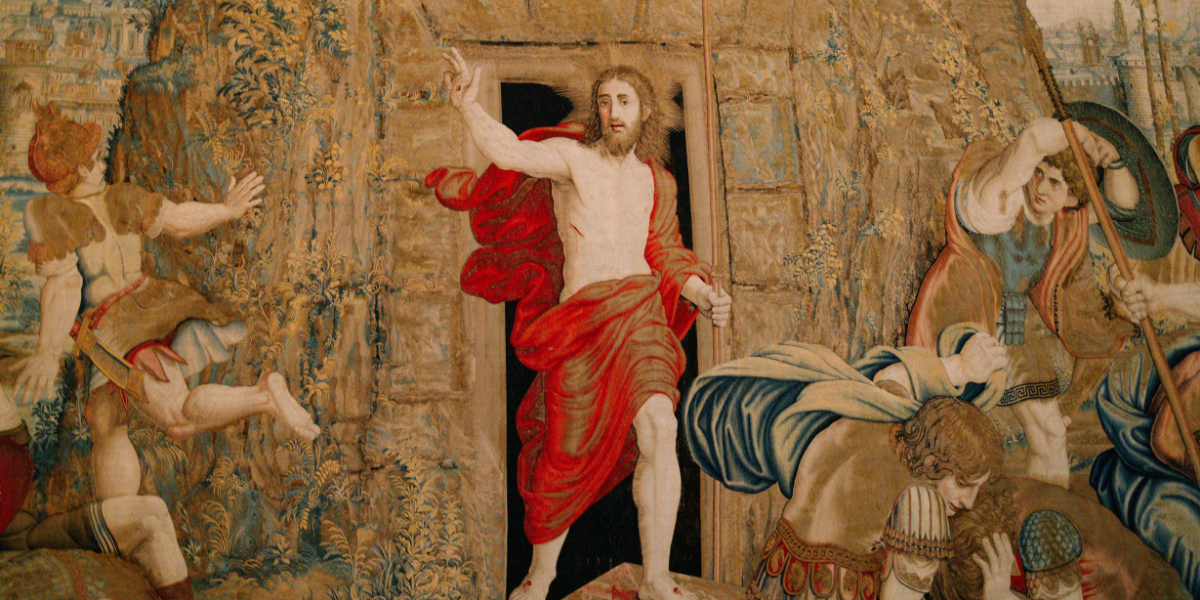
For Catholics, the Final Judgment is a fundamental teaching of the faith. The Church professes that Christ will return in glory to judge the living and the dead, bringing human history to its ultimate fulfillment.
Pope Leo XIV explained that the Church’s celebration of Christ the King at the conclusion of the liturgical year is a deliberate reminder of this eternal destiny.
The feast, he said, is celebrated at this time “because it points to the fulfilment of all history: the encounter with God, which is realized in the Last Judgement – that is, in the word that the Lord addresses to all humanity for the sake of our lives.”
Rather than presenting this encounter exclusively as a moment of fear, Pope Leo XIV described divine judgment as an expression of God’s saving purpose.
“This judgement,” he declared, “is, in fact, salvation. The word that God speaks to the world is a proclamation of mercy.”
However, the Holy Father also made clear that God’s mercy does not eliminate His opposition to evil.
“This judgement is the condemnation of all iniquity,” he said.
His remarks highlighted the inseparable relationship between justice and mercy in Catholic teaching. God’s judgment reveals the truth about human actions while affirming His desire for salvation.
Pope Leo XIV: Christ Is Not a Tyrant, but the King Who Redeems
The Pope also challenged the idea that divine judgment should be understood through the behavior of earthly rulers who abuse their authority.
Although Christ will judge every person at the end of time, Pope Leo XIV emphasized that His kingship is fundamentally different from human domination.
Christ “is neither a despot who threatens nor a tyrant who crushes others with His power,” the Holy Father explained.
Instead, he continued, “He is the true King who, through His omnipotence, redeems us; He is the true man, the Master of humanity.”
The distinction is central to understanding the Catholic celebration of Christ the King.
Unlike earthly kingdoms that may depend on political influence, military strength, or worldly authority, the Kingdom of Christ is founded upon divine truth, justice, and the redemption of humanity.
Pope Leo’s reflections directed attention toward the responsibility of Christians to recognize Christ’s authority not only in their profession of faith, but also in their treatment of others.
Works of Mercy Prepare Christians to Encounter Christ
Reflecting on Jesus’ teaching about the Last Judgment, Pope Leo XIV emphasized that divine justice is closely connected to the way human beings care for one another.
According to Vatican News, the Holy Father explained that works of mercy sustain life, strengthen fraternity, defend human dignity, and restore freedom.
He also stressed that Jesus’ teaching about the Last Judgment “applies to all times and all people.”
For Catholics, this message recalls the importance of the corporal and spiritual works of mercy, including feeding the hungry, caring for the sick, comforting the sorrowful, and assisting those in need.
These acts are not merely expressions of kindness. They are essential ways Christians are called to live their faith and respond to the love of Christ.
The Pope’s message serves as a reminder that preparing for the Final Judgment involves more than contemplating the end of the world. It also requires examining how faithfully believers respond to God’s commandments and the needs of their neighbors.
Christ the King: A Kingdom That Will Endure Forever
Pope Leo XIV concluded his reflections by recalling the origins of the Solemnity of Christ the King, established by Pope Pius XI.
According to the Holy Father, Pius XI intended the feast “to emphasize that the Lord of history is the King of peace and justice for all the peoples of the world.”
That message remains significant as the Church continues to proclaim Christ’s universal kingship in a world marked by conflict, injustice, and division.
Pope Leo affirmed that the Church “renews this teaching, proclaiming that the Kingdom of God is coming and will endure forever.”
As the liturgical year draws to a close and Catholics prepare for the beginning of Advent, the Pope’s Angelus message offers an invitation to reflect on the eternal significance of Christ’s reign.
The Final Judgment, he reminded the faithful, is not simply about the conclusion of earthly history. It is the moment when God’s justice is fully revealed, evil is condemned, and the saving purpose of Christ reaches its fulfillment.
For believers, the Solemnity of Christ the King is therefore both a reminder of their accountability before God and a proclamation of hope in the mercy and salvation offered through Jesus Christ.
Your support brings the truth to the world.
Catholic Online News exists because of donors like you. We are 100% funded by people who believe the world deserves real, uncensored news rooted in faith and truth — not corporate agendas. Your gift ensures millions can continue to access the news they can trust — stories that defend life, faith, family, and freedom.
When truth is silenced, your support speaks louder.