
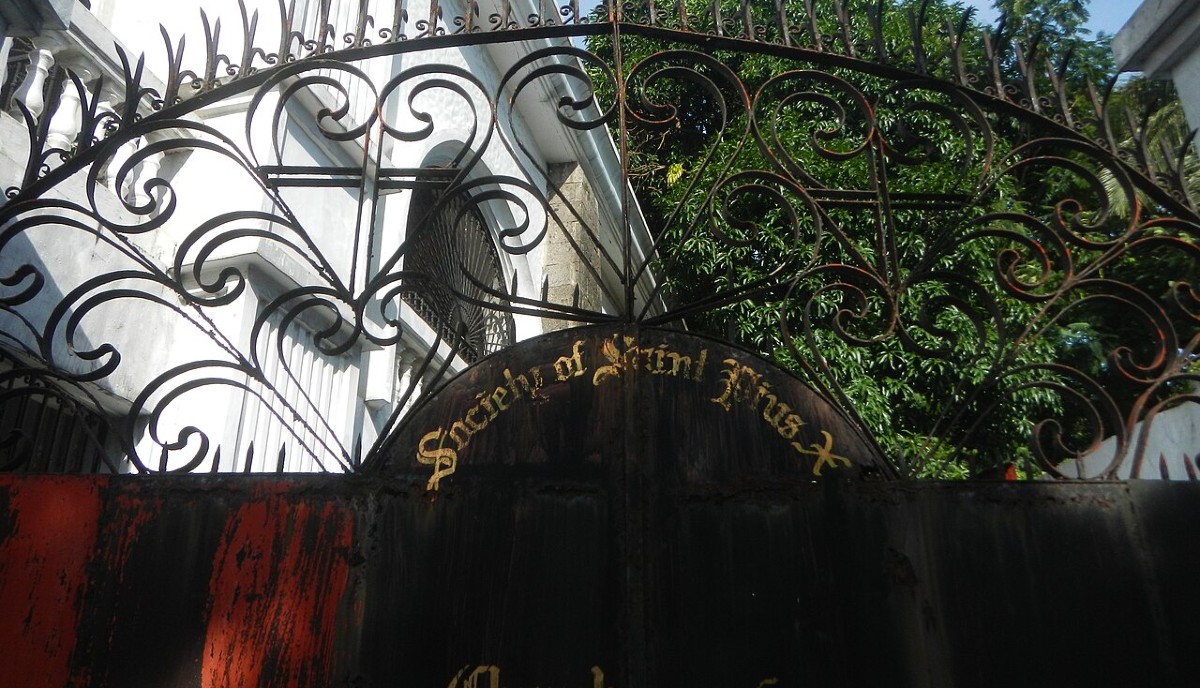
The Society of St. Pius X (SSPX) is defending its decision to consecrate four bishops without papal approval, arguing that extraordinary circumstances within the Catholic Church justified the controversial action despite subsequent Vatican excommunications.
The dispute has renewed questions about episcopal authority, obedience to the Pope, and the circumstances under which canon law recognizes necessity as a factor in determining responsibility for ecclesiastical offenses.
Speaking in an exclusive Oct. 4 interview with LifeSiteNews during the 2026 Catholic Identity Conference, SSPX communications director James Vogel maintained that the Society’s actions should not automatically be interpreted as a rejection of communion with Rome.
Vogel acknowledged the seriousness of excommunication while arguing that the Society believed a state of necessity justified the consecrations under the extraordinary circumstances it perceived within the Church.
“Excommunications are in themselves grave, but they’re not infallible. So there are some examples in history where excommunications were later deemed invalid or unjust,” Vogel told LifeSiteNews.
According to Vogel, the decree concerning the six bishops involved has been challenged through a canonical appeal, with the outcome still unknown at the time of his interview.
The controversy centers on a fundamental principle of Catholic Church governance. Under Canon 1382 of the 1983 Code of Canon Law, as revised in 2021 and now numbered Canon 1387, a bishop who consecrates another bishop without a pontifical mandate, along with the bishop receiving consecration, incurs an automatic excommunication reserved to the Apostolic See.
The Church’s requirement for papal authorization reflects the importance of episcopal communion with the Roman Pontiff and the unity of the universal Church.
However, Vogel argued that canonical penalties must also be considered in light of provisions addressing extraordinary circumstances, including necessity and the intentions of those involved.
During his conference presentation, he pointed to historical examples in which bishops were consecrated without prior Vatican authorization during periods of persecution or other serious difficulties.
One example involved Cardinal Yosyf Slipy, a Ukrainian Catholic leader who endured 18 years of imprisonment in Soviet labor camps for refusing to abandon communion with Rome.
According to Vogel’s account, Slipy secretly consecrated three bishops during the 1970s because he feared that continued communist persecution could leave Ukrainian Catholics without sufficient clergy to administer the sacraments.
Vogel noted that the Vatican eventually recognized those bishops, including Lubomyr Husar, who was later elevated to the College of Cardinals by Pope John Paul II.
The SSPX communications director presented the historical example as evidence that episcopal consecrations undertaken without prior papal authorization have not always resulted in permanent separation from the Church.
Nevertheless, the circumstances surrounding such historical cases do not, by themselves, establish the canonical legitimacy of the SSPX’s actions. Whether necessity can excuse or mitigate responsibility in a particular case requires consideration of the applicable law and the facts involved.
Another central issue in the controversy is whether the Society’s actions constitute schism.
Canon 751 defines schism as the refusal of submission to the Supreme Pontiff or of communion with members of the Church subject to him.
Vogel rejected the suggestion that the SSPX intends to establish an independent ecclesiastical structure.
“The reason there’s an excommunication for something like consecrating bishops without mandate, certainly historically, has to do with the Chinese Patriotic Church under Pius XII making it a graver penalty under the canon law of the time,” he explained to LifeSiteNews.
He emphasized that the Society’s bishops do not claim ordinary jurisdiction over dioceses and that the SSPX does not seek to create a separate Catholic hierarchy.
“And so I think you can even argue that since 1988, we have demonstrated that we don’t act like a parallel church,” Vogel said.
The distinction is significant because the Catholic Church recognizes the Pope’s authority in appointing bishops and governing the universal Church. While a bishop may validly confer episcopal consecration under the necessary sacramental conditions, doing so without the required papal mandate is unlawful and carries serious canonical consequences.
The SSPX maintains that its actions are intended to preserve traditional Catholic doctrine and sacramental life rather than establish a competing Church.
Vogel also pointed to declining religious participation among Catholics as evidence of what the Society considers an urgent pastoral crisis.
Citing a 2025 Pew Research Center survey, he highlighted findings that only 28 percent of self-identified American Catholics attend Mass weekly and 23 percent go to confession at least once a year.
The Society views these trends as part of a broader spiritual emergency requiring additional bishops committed to its traditional Catholic mission.
However, declining religious participation does not itself establish a canonical state of necessity permitting episcopal consecrations without papal authorization.
The controversy has also produced differing assessments among Catholic bishops.
According to LifeSiteNews, Bishop Athanasius Schneider defended the consecrations in an August interview, comparing the SSPX’s situation with that of St. Athanasius of Alexandria, who resisted Arian heresy during the fourth century.
Schneider suggested that historical conflicts involving Church authority and doctrinal fidelity demonstrate the importance of distinguishing genuine schism from resistance motivated by the defense of Catholic teaching.
Bishop Marian Eleganti, however, offered a sharply different assessment.
As reported by LifeSiteNews, Eleganti criticized what he described as the Society’s “schismatic mindset,” arguing that its independent exercise of episcopal authority raises serious concerns about ecclesial communion.
He pointed to the consecration of bishops without papal authorization, the Society’s canonical irregularities, and its independent operations as evidence of a deeper problem concerning obedience to Church authority.
These competing interpretations highlight a longstanding tension surrounding the SSPX, which was founded by Archbishop Marcel Lefebvre and has remained at the center of disputes over traditional Catholic worship, Church governance, and relations with Rome.
The Church’s teaching recognizes both the importance of preserving the Catholic faith and the essential role of communion with the successor of St. Peter. Fidelity to tradition and legitimate ecclesiastical authority are not understood as opposing principles within Catholic doctrine.
For the SSPX, the immediate question remains whether its appeal against the excommunications will succeed and what consequences the latest consecrations may have for its relationship with the Holy See.
For the wider Catholic Church, the dispute raises questions about how legitimate concerns for doctrinal fidelity, pastoral necessity, and sacramental life must be reconciled with the authority entrusted to the Roman Pontiff.
As the canonical controversy continues, the question of the Society’s relationship with Rome remains unresolved, with its future dependent not only on legal arguments but also on the broader pursuit of ecclesial unity.
Your support brings the truth to the world.
Catholic Online News exists because of donors like you. We are 100% funded by people who believe the world deserves real, uncensored news rooted in faith and truth — not corporate agendas. Your gift ensures millions can continue to access the news they can trust — stories that defend life, faith, family, and freedom.
When truth is silenced, your support speaks louder.