
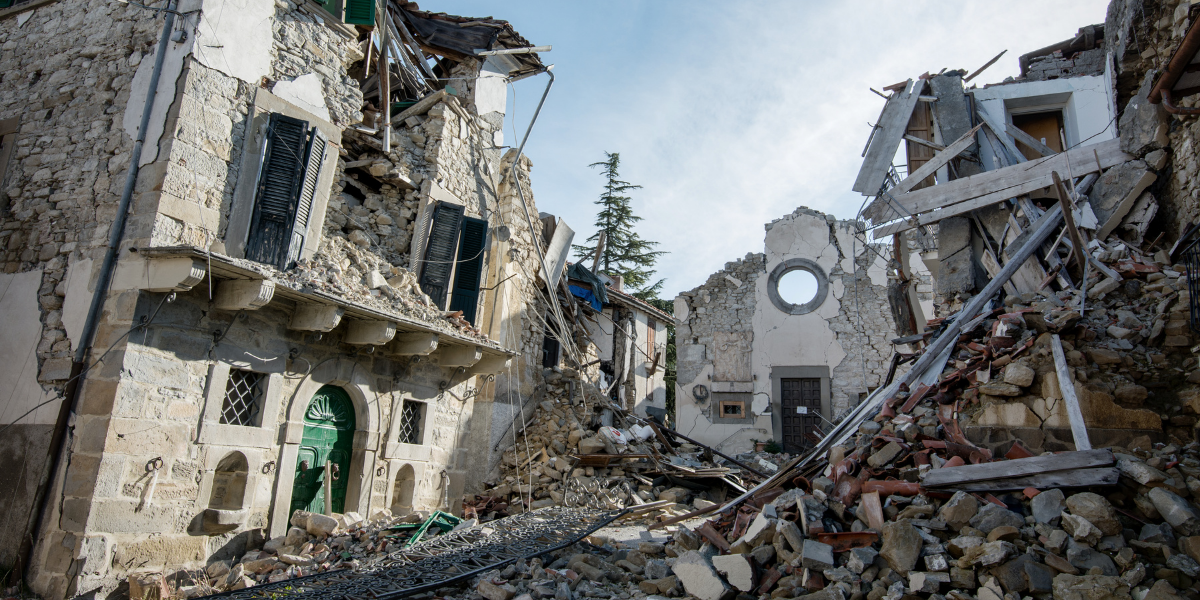
The devastating earthquake that struck Colombia on Aug. 10 has created a humanitarian emergency extending far beyond collapsed buildings and physical injuries, with aid workers now warning that vulnerable children could face an increased threat from human trafficking and criminal networks.
According to Vatican News, at least 53,000 people have been affected by the earthquake, approximately 4,000 have been injured, and nearly 300 people have died. The disaster has been especially severe in isolated rural communities, where families already struggling with poverty and displacement have lost homes, possessions, and access to basic necessities.
Stefano Piziali, director general of the humanitarian organization Cesvi, told Vatican News that emergency workers have been able to reach some of the country’s remote villages.
“The earthquake hit isolated rural areas particularly hard, where entire families have lost everything,” Piziali said, adding that many residents “do not know how to respond to yet another crisis.”
Among the areas identified as particularly hard hit are Chocó and Buenaventura, communities that were already confronting extreme poverty and significant displacement connected to Colombia’s history of internal conflict.
Cesvi is working to establish protection centers where survivors can receive water, sanitation services, and psychosocial assistance, according to Vatican News. Humanitarian workers say addressing the psychological consequences of the disaster is particularly important as families attempt to recover from the trauma and instability caused by the earthquake.
The crisis, however, has created another urgent concern: protecting children when families and communities are disrupted.
“Child trafficking in Latin America is a very serious problem,” Piziali warned.
According to Piziali, Colombian children can be vulnerable to exploitation by armed groups, paramilitary organizations, and criminal networks. The disorder following a major natural disaster can intensify that danger when children become separated from parents or other trusted adults.
“Trafficking,” Piziali explained, “is a phenomenon that increases when family units break down, a process accelerated by the confusion that has emerged in the country following the earthquake.”
Protecting children therefore requires more than distributing emergency supplies. Piziali stressed the importance of having trained people available who can communicate with children, gain their trust, encourage them to speak about their circumstances, and help them recognize that they are in a safe environment.
“It is important that those working in these contexts are people who know how to engage with children, help them understand that they can provide assistance, encourage them to speak, and make them feel cared for and protected,” he said.
Indigenous communities are also among those facing heightened vulnerability. According to Vatican News, many indigenous people live in areas affected by the earthquake, raising fears that the disaster could weaken community structures that already face significant pressures.
“The greatest risk,” Piziali warned, “is that this traumatic event could further fracture indigenous communities.”
For Catholics, the unfolding crisis is a reminder that responding to disaster includes defending the dignity and safety of those most vulnerable. Children who have lost homes, security, or contact with family members require particular protection from those who would exploit their vulnerability.
Humanitarian organizations are also preparing for a recovery that could extend well beyond the immediate emergency. Cesvi hopes that once conditions stabilize, local markets can resume operating and economic assistance programs can help families provide for themselves rather than remain dependent upon humanitarian aid.
Piziali emphasized that international attention will remain important even after the immediate devastation fades from the headlines. Recovery will require continued assistance for families, protection for children, and support for communities attempting to rebuild both their livelihoods and their social bonds.
Cesvi intends to “accompany people throughout their recovery,” Piziali said, with particular concern for environmental issues and the protection of indigenous communities. As Colombia begins the difficult work of recovering from the earthquake, the warnings from humanitarian workers underscore an urgent reality: safeguarding human life after a disaster means not only meeting immediate physical needs, but ensuring that children and vulnerable families are protected from exploitation when they are at their weakest.
Your support brings the truth to the world.
Catholic Online News exists because of donors like you. We are 100% funded by people who believe the world deserves real, uncensored news rooted in faith and truth — not corporate agendas. Your gift ensures millions can continue to access the news they can trust — stories that defend life, faith, family, and freedom.
When truth is silenced, your support speaks louder.