
The prospect of broadcasting a condemned man’s final moments to the world has ignited a profound moral controversy, drawing renewed attention to the Catholic Church’s defense of human dignity and its opposition to the death penalty.
As the Pentagon prepares for the scheduled execution of convicted Fort Hood shooter Nidal Malik Hasan, Catholic leaders and scholars are raising serious concerns about the possibility of turning a state-sanctioned killing into a public spectacle.
For the faithful, the controversy presents a troubling question: When justice becomes something people are invited to watch, does society risk losing sight of the sacredness of human life?
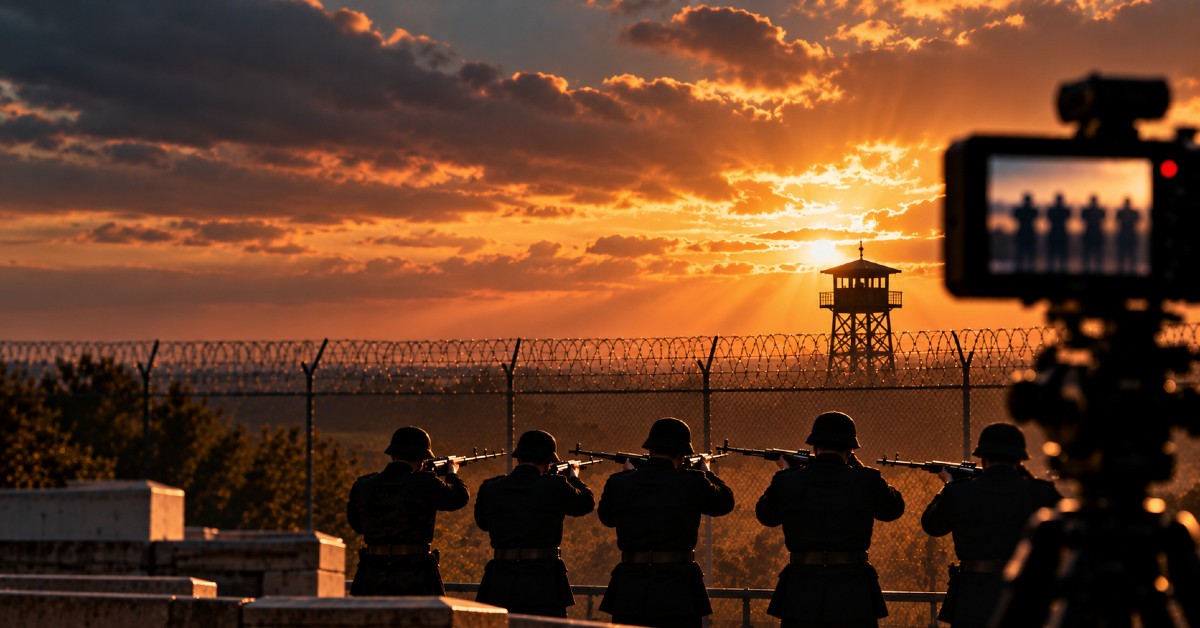
According to LifeSiteNews, U.S. Secretary of Defense Pete Hegseth announced plans to livestream Hasan’s Dec. 3 execution by firing squad. Hasan, a former Army psychiatrist, was convicted of killing 13 people and wounding dozens more during the 2009 shooting at Fort Hood, Texas.
The attack devastated military families and left a lasting wound within the American armed forces. Hasan was convicted in 2013 and sentenced to death for his crimes.
The U.S. Army has scheduled his execution following approval from President Donald Trump. However, according to Reuters, the president has not made a final decision regarding the proposed livestream itself.
The possibility of broadcasting the execution has nevertheless provoked criticism, including from Catholic voices who emphasize that even the gravest crimes cannot erase a person’s God-given dignity.
According to the Associated Press, Hegseth told Real America’s Voice that “we’ll make sure that people are able to watch it, that it’s public.”
The statement has intensified concerns that the execution could become a form of public entertainment rather than a solemn administration of justice.
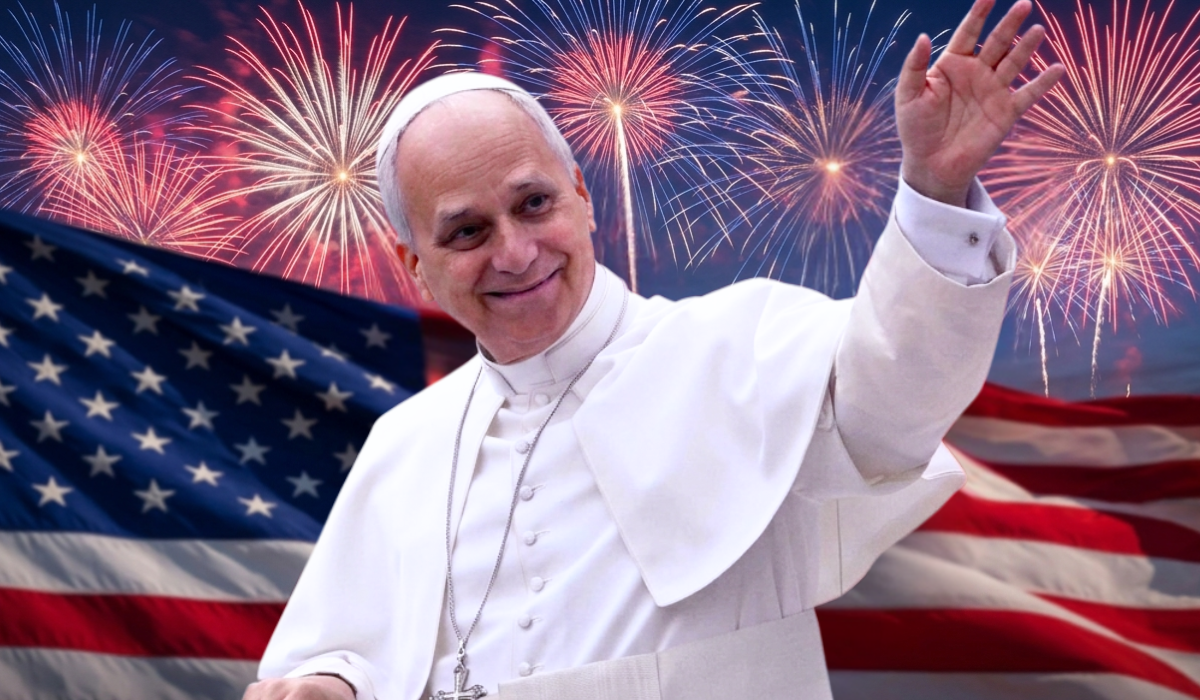
The Catholic Church’s opposition to capital punishment has become especially relevant as Pope Leo XIV has renewed his defense of human life.
On October 10, marking the World Day Against the Death Penalty, Pope Leo reaffirmed the Church’s teaching that capital punishment is inadmissible.
“The common good can be safeguarded and the requirements of justice can be met without recourse to capital punishment,” the Holy Father stated, according to Reuters.
The Pope also emphasized that modern detention systems can protect society without completely depriving offenders of the possibility of redemption.
His remarks were not directed specifically at Hasan’s execution, but they came amid growing controversy over the Pentagon’s proposed broadcast.
The Vatican’s response to the livestream proposal has been more direct.
According to the Associated Press, Vatican Secretary of State Cardinal Pietro Parolin criticized the proposed broadcast as an unacceptable spectacle that violates human dignity.
The United States Conference of Catholic Bishops also expressed strong opposition, condemning the proposal as a “barbaric promotion of a culture of death.”
These reactions underscore a central principle of Catholic moral teaching: Human dignity does not disappear when someone commits a terrible crime.
The Church recognizes the suffering of victims and the responsibility of civil authorities to protect society. Yet it also insists that justice must never be separated from mercy or the recognition that every person is created in the image and likeness of God.
This conviction is expressed in paragraph 2267 of the Catechism of the Catholic Church, revised under Pope Francis in 2018, which declares that “the death penalty is inadmissible because it is an attack on the inviolability and dignity of the person.”
The Catechism further teaches that the Church works toward the abolition of capital punishment throughout the world.
Catholic philosopher Edward Feser, who has defended the traditional permissibility of the death penalty in certain circumstances, has also criticized the proposed livestream.
According to LifeSiteNews, Feser argued that executions should never become occasions for public entertainment or celebration.
His objection highlights a moral distinction that extends even to Catholics who disagree about the death penalty itself.
Historically, the Church placed considerable emphasis on the spiritual preparation of condemned prisoners, encouraging repentance, confession, and reconciliation with God.
The goal was not to celebrate the death of a sinner, but to recognize the seriousness of judgment and the eternal importance of the human soul.
That understanding stands in sharp contrast to the possibility of broadcasting an execution to an audience that may view it as entertainment.
The controversy has also generated concerns beyond the Catholic Church.
According to Reuters, Vice President JD Vance expressed skepticism about whether the livestream would proceed and said he would not watch it. Opposition has also emerged among Republican lawmakers and international human rights organizations.
For Catholics, however, the deepest concern remains spiritual and moral.
Hasan’s crimes were horrific. Thirteen innocent people lost their lives, dozens more were wounded, and countless family members continue to bear the consequences of that violence.
Their lives deserve remembrance, their suffering deserves compassion, and their families deserve justice.
Yet the Gospel challenges Christians to reject the belief that another person’s death should become a cause for public satisfaction.
Even those who commit grave evil remain capable of repentance and remain within the reach of God’s mercy.
As the December 3 execution approaches, the proposed livestream presents a troubling test of how Americans understand justice, punishment, and the value of human life.
The Catholic Church’s message remains clear: Society has a responsibility to protect the innocent and hold wrongdoers accountable, but justice must never become vengeance.
In a culture increasingly accustomed to witnessing violence through screens, the Church offers a different vision, one grounded in the sacredness of life, the possibility of redemption, and the conviction that no human being is beyond the reach of God’s mercy.
Your support brings the truth to the world.
Catholic Online News exists because of donors like you. We are 100% funded by people who believe the world deserves real, uncensored news rooted in faith and truth — not corporate agendas. Your gift ensures millions can continue to access the news they can trust — stories that defend life, faith, family, and freedom.
When truth is silenced, your support speaks louder.