
Liechtenstein, one of Europe’s smallest nations, is once again at the center of an international debate over the protection of unborn life. A new citizen-led initiative seeking to legalize abortion during the first 12 weeks of pregnancy has officially moved forward after organizers gathered enough signatures to trigger the next stage of the country’s democratic process, according to LifeSiteNews.
The tiny constitutional monarchy, located between Switzerland and Austria, has long maintained some of Europe’s strongest legal protections for unborn children. Under current law, abortion remains illegal in nearly all circumstances, with limited exceptions when a mother’s life is in serious danger or in cases of sexual assault. Restrictions also apply to the advertising of abortion services, according to LifeSiteNews.
The latest proposal, known as “Fristenlösung für Liechtenstein” (“Time-limit solution for Liechtenstein”), was submitted on July 31 after supporters collected 4,970 signatures, well above the 1,000 required to advance the initiative. According to LifeSiteNews, the measure would decriminalize abortion through the first 12 weeks of pregnancy, remove restrictions on providing information about abortion, and require health insurance coverage for abortion procedures.
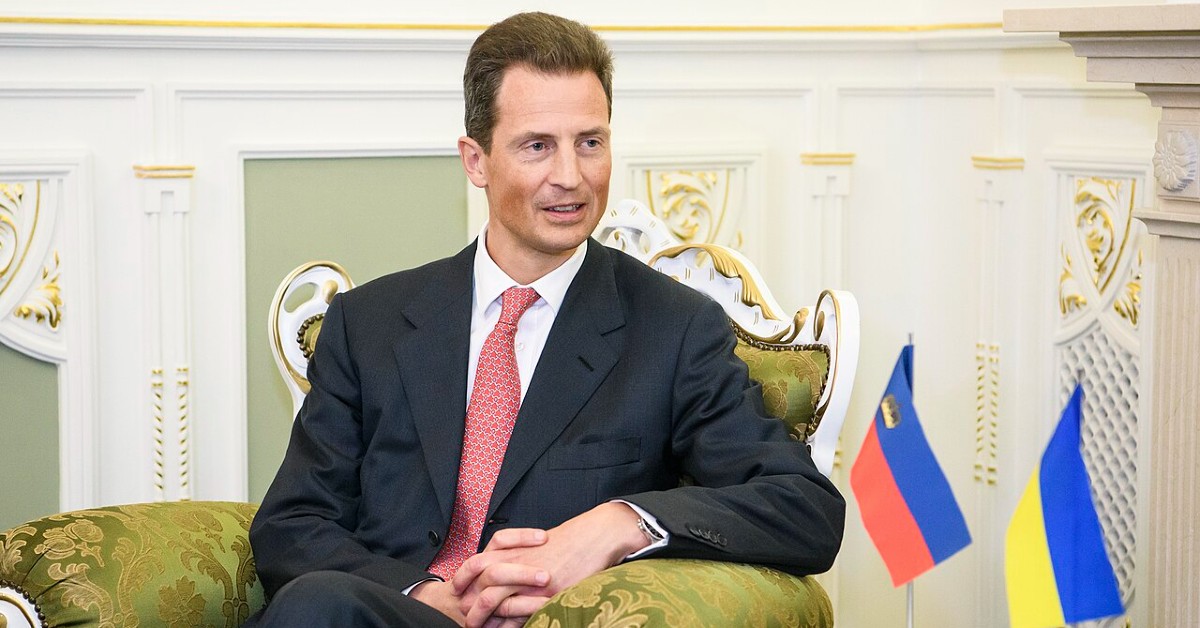
For many observers, however, the central issue is not simply the referendum itself but the position of Hereditary Prince Alois, who has made clear that he intends to use his constitutional authority to prevent any law permitting abortion from taking effect.
According to LifeSiteNews, Prince Alois first made that commitment before a 2012 referendum that proposed legalizing abortion through the first 12 weeks of pregnancy as well as in cases involving fetal abnormalities. At the time, he publicly stated that he would exercise his constitutional veto if the proposal succeeded.
The referendum ultimately failed by a narrow margin, with 51.5 percent of voters rejecting the measure.
Following that defeat, abortion-rights advocates argued that the prince’s announcement had influenced the outcome. A subsequent 2013 initiative sought to reduce or eliminate the royal family’s veto authority over future referendums.
That proposal was overwhelmingly rejected by Liechtenstein voters. According to LifeSiteNews, approximately 76 percent of voters chose to preserve the ruling prince’s constitutional veto powers.
More than a decade later, Prince Alois has again indicated that his position has not changed.
LifeSiteNews reports that abortion activist Gabriella Alvarez-Hummel expressed frustration in a column published August 3, writing, “It should be a done deal. But no matter what the people say: the hereditary prince has already announced that he would veto any change in the law, long before a single vote has been cast.”
She also summarized what she sees as the greatest obstacle facing the campaign by stating, “A prince is standing in the way.”
According to LifeSiteNews, Prince Alois previously indicated that his intervention was intended as “a clear signal that abortion isn’t an acceptable solution for an unwanted pregnancy.”
The renewed referendum effort highlights the continuing debate throughout Europe over legal protections for unborn children. While many European nations have expanded abortion access in recent decades, Liechtenstein remains one of the few countries where strong legal restrictions remain in place.
As the initiative advances toward a possible national vote, attention will once again focus on both the will of Liechtenstein’s citizens and the constitutional role of the hereditary prince, whose stated commitment to defending unborn life has become one of the defining features of the country’s ongoing pro-life debate.
Your support brings the truth to the world.
Catholic Online News exists because of donors like you. We are 100% funded by people who believe the world deserves real, uncensored news rooted in faith and truth — not corporate agendas. Your gift ensures millions can continue to access the news they can trust — stories that defend life, faith, family, and freedom.
When truth is silenced, your support speaks louder.