

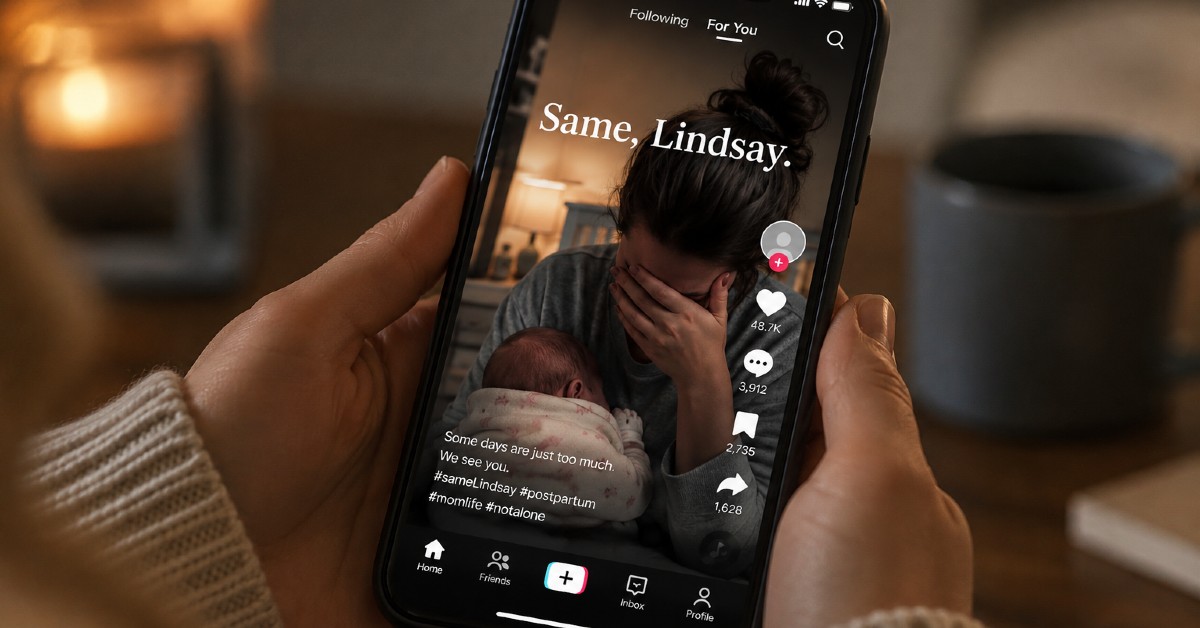
A disturbing social media trend surrounding the murder trial of Massachusetts mother Lindsay Clancy is fueling an intense debate about postpartum mental illness, personal responsibility, motherhood and the dignity of children.
Clancy, a former labor and delivery nurse, is accused of killing her three young children — Cora, 5, Dawson, 3, and Callan, 8 months — at the family’s Massachusetts home in January 2023. According to LifeSiteNews, Clancy sent her husband out to pick up food and medication before allegedly strangling the children with exercise bands, injuring herself and jumping from a second-story window.
Her two older children were found dead at the home, while Callan died at a hospital three days later.
Clancy has been charged with three counts of first-degree murder. Her case has drawn renewed national attention as her trial proceeds in Plymouth, Massachusetts, particularly because of a growing online movement expressing sympathy with her.
According to LifeSiteNews, supporters have gathered outside the courthouse, raised substantial financial support and posted videos arguing that Clancy should also be viewed as a victim — pointing to postpartum mental illness, psychiatric medications and failures in the treatment of women’s mental health.
The prosecution and defense present sharply different explanations for what happened.
LifeSiteNews reports that prosecutors contend Clancy “acted intentionally, rationally and swiftly” and argue that the killings were planned rather than committed during an uncontrollable episode of postpartum psychosis. The defense, meanwhile, maintains that her postpartum condition and the effects of psychiatric medications played a critical role in the tragedy.
But much of the controversy now extends beyond the courtroom.
Videos using the phrase “Same, Lindsay” have spread across social media, with some mothers filming themselves holding their own children while expressing solidarity with Clancy or identifying with the desperation and psychological suffering associated with the postpartum period.
The trend has generated fierce backlash.
In an opinion article examining the phenomenon, LifeSiteNews acknowledged the reality of postpartum suffering while questioning the implications of identifying so closely with a mother accused of deliberately killing her children.
“Several things can be true at once,” the LifeSiteNews article stated. “It is true that postpartum depression – and indeed, mental illness in general – is often woefully addressed and badly understood.”
That distinction is essential.
Catholics should never dismiss the suffering caused by serious mental illness. Mothers experiencing postpartum depression or other psychiatric crises deserve compassionate care, attentive families, competent medical treatment and communities willing to recognize when someone desperately needs help.
Compassion for suffering, however, must never make the victims disappear.
At the center of this case are three children whose lives ended before they had the opportunity to grow up. Cora, Dawson and Callan possessed the same inherent human dignity that the Catholic Church recognizes in every person, from conception until natural death. Whatever questions ultimately surround their mother’s mental state and legal responsibility, their deaths remain an unspeakable tragedy.
The Catechism of the Catholic Church teaches that human life “must be respected and protected absolutely from the moment of conception” and that the direct and intentional taking of innocent human life is gravely contrary to human dignity.
At the same time, Catholic moral teaching recognizes that psychological conditions can affect a person’s responsibility for an action. Determining Clancy’s criminal responsibility is therefore a matter for the court, where evidence concerning her mental condition, medications, actions and intent can be examined rather than decided through viral social media campaigns.
The online response raises another question Catholics should take seriously: what happens when genuine human suffering becomes content?
LifeSiteNews criticized videos in which women film emotional outbursts or destructive behavior as representations of postpartum distress, arguing that carefully recording and publishing such moments risks transforming a serious mental-health issue into online spectacle.
The article also connected the controversy to a wider deterioration in relationships between men and women online, citing writer Samuel D. James’ argument that “the internet is making men and women hate each other.”
That danger extends far beyond this particular case.
Algorithms reward anger, outrage and identification with extremes. A tragedy involving three murdered children can quickly become another battlefield over men, women, motherhood, medicine and politics. In that environment, compassion can become confused with exoneration, legitimate concern about mental illness can become mockery, and murdered children can become secondary to the cultural argument surrounding their deaths.
A Catholic response should resist both temptations.
Women suffering from postpartum mental illness should not be mocked, ignored or treated as inherently dangerous. They need support and meaningful care. But acknowledging that suffering does not require Catholics to minimize violence against innocent children or adopt slogans that blur the moral gravity of what occurred.
As LifeSiteNews bluntly asked in its commentary on the viral trend: “Lindsay Clancy killed her babies. What do you mean by ‘same’?”
The courtroom will determine questions of legal guilt and responsibility. The larger cultural conversation, however, presents a challenge for Christians now.
We can insist upon compassion without abandoning truth, take mental illness seriously without romanticizing violence, and remember that amid every viral argument surrounding this case, three children — Cora, Dawson and Callan — should remain at the center of our prayers and concern.
Your support brings the truth to the world.
Catholic Online News exists because of donors like you. We are 100% funded by people who believe the world deserves real, uncensored news rooted in faith and truth — not corporate agendas. Your gift ensures millions can continue to access the news they can trust — stories that defend life, faith, family, and freedom.
When truth is silenced, your support speaks louder.