

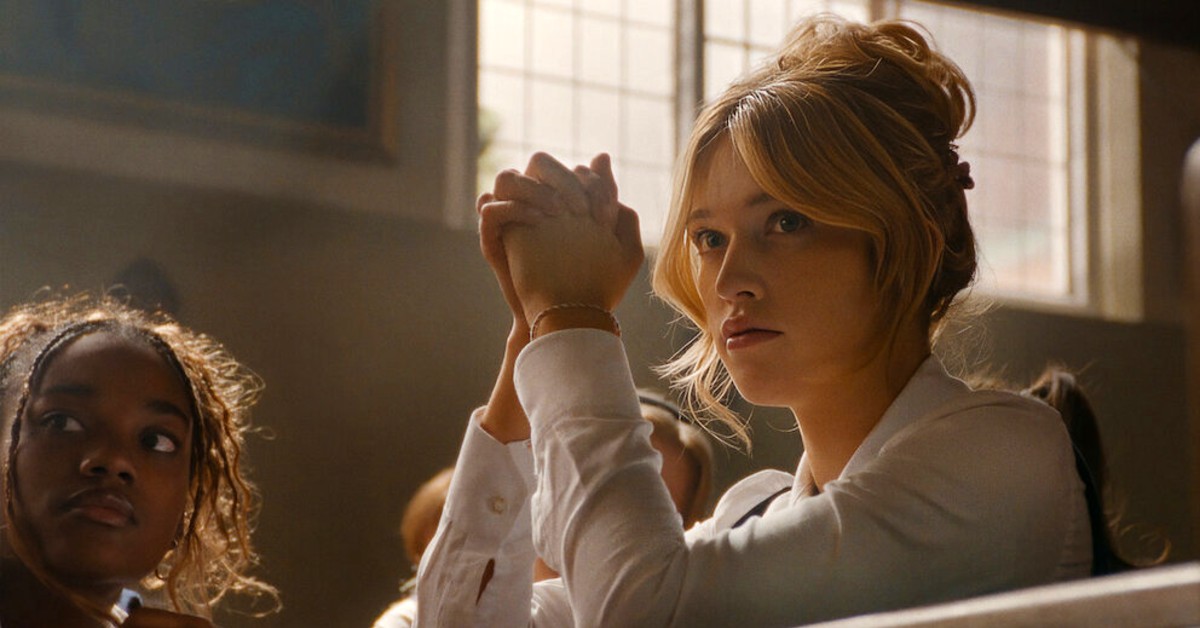
Netflix is facing criticism over its upcoming television series, The Body, a provocative teen drama that combines Catholic school life, occult rituals, and religious imagery in a storyline that has raised concerns about the portrayal of Christianity in mainstream entertainment.
The eight-episode series, scheduled to premiere November 11, follows a group of Catholic schoolgirls whose involvement in a disturbing initiation ritual unleashes mysterious events throughout their community.
While Netflix presents the production as a coming-of-age psychological drama, Catholic critics are questioning whether the streaming platform has crossed the line between artistic expression and disrespect for sacred religious beliefs.
According to LifeSiteNews, the controversy intensified after Netflix promoted the series on All Saints’ Day with imagery portraying several characters as mock saints, including one whose appearance reportedly resembled Jesus Christ wearing a crown of thorns.
The promotional imagery has become a particular point of concern because All Saints’ Day, celebrated November 1, is a solemnity honoring those who have attained eternal life with God.
For Catholics, the saints are not fictional figures or symbols of superstition, but examples of holiness, sacrifice, and devotion to Christ.
A Disturbing Portrayal of Catholic School Life
According to Netflix’s official preview, The Body centers on a Catholic school dance team whose initiation ceremony takes a sinister turn.
The students participate in a drug-fueled ritual involving a supposed offering to the devil, after which one of the girls begins exhibiting mysterious behavior. The incident sets off a series of frightening events, prophetic visions, and growing hysteria throughout the town.
Netflix’s promotional material presents the girls as rebellious students whose religious upbringing becomes intertwined with secrecy, supernatural fear, and dangerous behavior.
The streaming service also categorizes the production as TV-MA, indicating that it is intended for mature audiences. Its official listing describes themes involving religious guilt, forbidden desires, and supernatural experiences.
The combination of Catholic education and occult imagery raises questions about how viewers, particularly younger audiences, may interpret the Church’s teachings and religious practices.
Catholic teaching firmly rejects occult practices and attempts to invoke supernatural powers apart from God. The Catechism of the Catholic Church, particularly paragraphs 2116 and 2117, warns against divination, magic, and attempts to manipulate spiritual forces.
Although fictional horror stories frequently incorporate religious themes, the deliberate association of Catholic prayer, worship, and sacred imagery with satanic rituals may be especially troubling to believers who regard these practices as holy.
Creator Describes Series as Catholic Horror
The series was created by writer and director Quinn Shephard, whose previous work includes the television drama Under the Bridge.
In an interview published by Netflix’s Tudum, Shephard described the production as “a raunchy teen psychodrama with a dash of Catholic horror.”
Shephard explained that the project draws heavily from her own adolescent experiences and explores questions of identity, repression, and personal development.
“It’s satirizing some of the trauma of growing up queer and repressed and the confusion around that,” Shephard told Netflix.
According to Netflix, the series also draws inspiration from films including Carrie, Jennifer’s Body, and Mean Girls, combining elements of teenage drama, psychological suspense, and horror.
The creator’s explanation suggests that the series is intended partly as a personal exploration of adolescence and the pressures associated with religious and social expectations.
Nevertheless, its treatment of Catholic identity raises a broader question: Can entertainment examine difficult experiences involving religion without turning sacred beliefs and traditions into objects of ridicule?
For Catholic audiences, the distinction between criticizing human behavior within religious institutions and mocking the faith itself is particularly important.
All Saints’ Day Promotion Draws Criticism
Perhaps the most controversial aspect of the show’s promotion involves Netflix’s decision to use Catholic religious imagery during one of the Church’s most significant holy days.
In its November 2 report, LifeSiteNews highlighted a November 1 social media post from Netflix that presented five characters in a parody of traditional Catholic saint imagery.
The post was captioned “Patrons saints.”
According to LifeSiteNews, one character appeared to imitate Christ wearing the crown of thorns, a sacred symbol associated with His suffering and crucifixion. The publication also characterized the promotional material as mocking the Blessed Virgin Mary and the saints. LifeSite
The timing was particularly significant.
All Saints’ Day celebrates the communion of saints and the faithful men and women who have entered the glory of heaven. It is a day when Catholics attend Mass, honor the saints, and reflect on their own calling to holiness.
Using imagery associated with Christ and the saints to promote a television drama centered on occult practices presents a striking contrast with the religious meaning of the feast.
LifeSiteNews has condemned the production as blasphemous and encouraged Catholics to pray in reparation. The publication has also launched a petition calling on Netflix to cancel the series before its scheduled release.
The petition reflects an effort by concerned Catholics to challenge entertainment they believe treats their religious beliefs with contempt.
Religious Satire or Disrespect for the Sacred?
The controversy surrounding The Body also raises questions about the treatment of Christianity in contemporary entertainment.
Filmmakers have long explored religious institutions through satire, horror, and psychological drama. Such productions sometimes examine genuine struggles involving faith, authority, personal identity, and the experiences of young people.
However, Catholic viewers may distinguish between a fictional story that thoughtfully explores those struggles and one that uses sacred images or religious practices primarily for shock value.
In Catholic teaching, the name of Jesus Christ, the Blessed Virgin Mary, and the saints are deserving of reverence. Religious images are not worshiped as gods, but they serve as reminders of the holy persons they represent.
The Catechism of the Catholic Church addresses blasphemy in paragraph 2148, identifying it as speech or behavior that shows contempt or disrespect toward God and sacred things.
Whether The Body ultimately presents a sustained attack on Catholic belief cannot yet be determined from its promotional materials alone. The series has not been released, and its complete narrative remains unavailable for assessment.
Nevertheless, Netflix’s marketing choices have already prompted criticism from those who believe the use of sacred imagery has gone beyond ordinary fictional storytelling.
What Catholic Families Should Know
With the series scheduled to premiere November 11, Catholic parents may wish to familiarize themselves with its themes before allowing younger viewers to watch.
Netflix has assigned The Body a TV-MA rating, and its promotional descriptions identify mature subject matter, disturbing supernatural themes, and sexual content.
The show is not presented as religious education or an accurate representation of Catholic doctrine. Instead, it is a fictional psychological drama that uses Catholic school culture and religious symbolism as central elements of its story.
According to the entertainment publication Bloody Disgusting, the series draws on horror and teenage thriller traditions, with its central mystery involving the consequences of a ritual gone wrong.
For Catholic families, the controversy offers an opportunity to discuss the difference between entertainment and authentic Church teaching, particularly regarding the supernatural, the dignity of religious symbols, and the Church’s rejection of occult practices.
It also presents an opportunity to explain why the saints, the Blessed Virgin Mary, and the suffering of Jesus Christ hold such profound significance within the Catholic faith.
Catholics Called to Respond with Faith and Discernment
As Netflix prepares to release The Body, the controversy illustrates the tension that can arise when sacred religious traditions become material for commercial entertainment.
Catholics who object to the production have several peaceful ways to express their concerns, including contacting the streaming service, choosing not to watch the series, and participating in prayer.
LifeSiteNews has specifically encouraged prayer in reparation and support for its petition demanding the show’s cancellation.
The broader question extends beyond one television program.
In an entertainment culture where religious symbols are frequently adapted, reinterpreted, or used for dramatic effect, Catholics face the continuing challenge of defending the dignity of their faith while engaging thoughtfully with the modern world.
For believers, the imagery of Christ’s Passion, the holiness of the Blessed Virgin Mary, and the witness of the saints are not simply artistic devices. They represent the deepest mysteries and convictions of the Catholic faith.
As the November 11 premiere approaches, the debate surrounding The Body serves as a reminder of the importance of religious literacy, respect for sacred traditions, and the responsibility of Catholics to approach popular entertainment with informed consciences.
Your support brings the truth to the world.
Catholic Online News exists because of donors like you. We are 100% funded by people who believe the world deserves real, uncensored news rooted in faith and truth — not corporate agendas. Your gift ensures millions can continue to access the news they can trust — stories that defend life, faith, family, and freedom.
When truth is silenced, your support speaks louder.


