

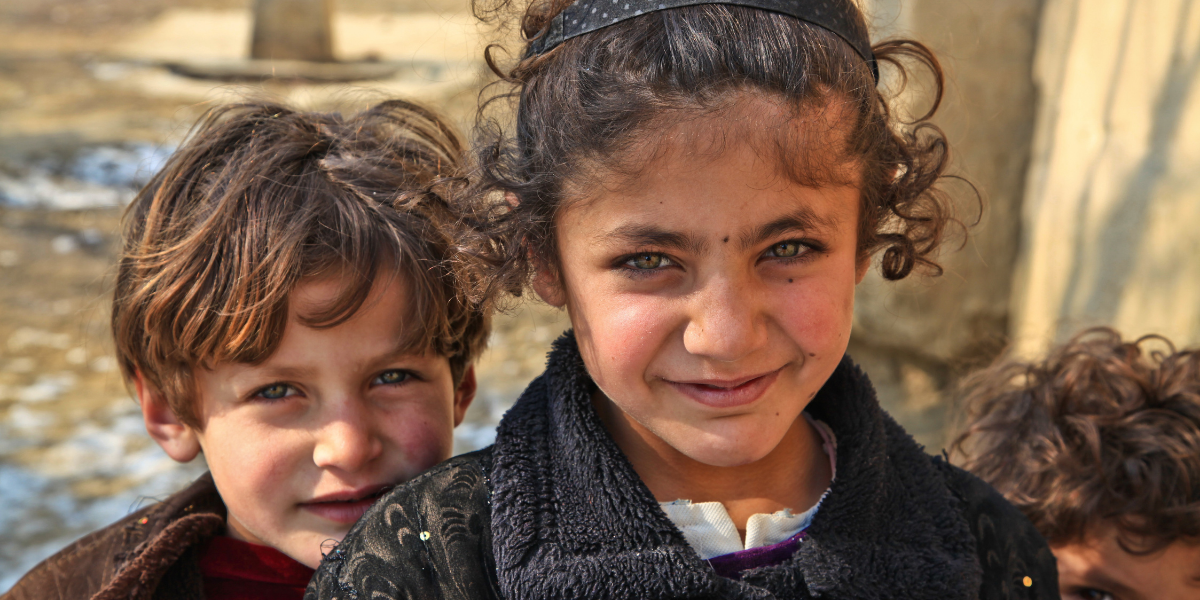
Millions of children in Afghanistan are at increasing risk of hunger as humanitarian organizations warn that the country’s nutrition crisis is worsening earlier than expected. According to Vatican News, reporting on a newly released UNICEF assessment, an estimated 3.7 million Afghan children under the age of five are now at risk of malnutrition.
The findings come from UNICEF’s report, Too Little, Too Late: The Diet Crisis Facing Young Children in Afghanistan, which examines child malnutrition alongside household food insecurity in every province of the country. According to the report, families are showing early warning signs of nutritional distress, including eating fewer nutritious foods, skipping meals, reducing children’s portions, and experiencing hunger before acute malnutrition develops.
Vatican News reports that Afghanistan continues to face one of the world’s most severe humanitarian emergencies after decades of conflict, economic decline, and repeated climate-related disasters. UNICEF says reduced international funding since the Taliban returned to power in 2021 has placed additional strain on healthcare, nutrition services, and other critical support systems that families rely upon.
According to UNICEF, the country’s annual peak season for acute malnutrition normally occurs between July and September. However, recent Nutrition Cluster data cited in the report indicate conditions are deteriorating sooner than expected, with acute malnutrition increasing in 26 of Afghanistan’s 34 provinces compared with last year.
The report identifies the nation’s youngest children as the most vulnerable. According to Vatican News, UNICEF says children younger than two years old account for 83 percent of severe acute malnutrition cases and 77 percent of moderate acute malnutrition cases across Afghanistan.
“Young children in Afghanistan are slipping into malnutrition even before the peak season has begun,” UNICEF Representative in Afghanistan Dr. Tajudeen Oyewale said in the report.
“These new findings give us an opportunity to act before children reach severe malnutrition. When families begin skipping meals or cutting back on nutritious foods, it is not simply a sign of hardship—it is an early warning that a child may soon develop acute malnutrition.”
According to UNICEF, inadequate nutrition is only one part of a broader crisis. Disease outbreaks, low vaccination rates, poor access to clean water and sanitation, and shortages of funding and essential supplies are all contributing to worsening conditions for children.
The report also found that children living in households experiencing severe food insecurity are up to six times more likely to develop acute malnutrition during the seasonal peak, underscoring the need for preventive action before conditions become life-threatening.
UNICEF is urging governments, donors, and humanitarian partners to provide immediate, flexible funding to strengthen nutrition programs before the crisis intensifies. The agency is also seeking greater support for its “First Foods” initiative, which focuses on improving nutrition for children between six and 23 months of age while expanding access to healthcare, sanitation, education, and social protection services.
As Vatican News notes, the report concludes with an urgent warning: “The warning signs are appearing earlier, and the response must come earlier too.”
For Catholics, the growing crisis serves as a reminder of the Church’s call to uphold the dignity of every human person and to care for the poor and vulnerable. As millions of Afghan children face increasing hunger, the need for prayer, generosity, and sustained humanitarian assistance remains as urgent as ever.
Your support brings the truth to the world.
Catholic Online News exists because of donors like you. We are 100% funded by people who believe the world deserves real, uncensored news rooted in faith and truth — not corporate agendas. Your gift ensures millions can continue to access the news they can trust — stories that defend life, faith, family, and freedom.
When truth is silenced, your support speaks louder.