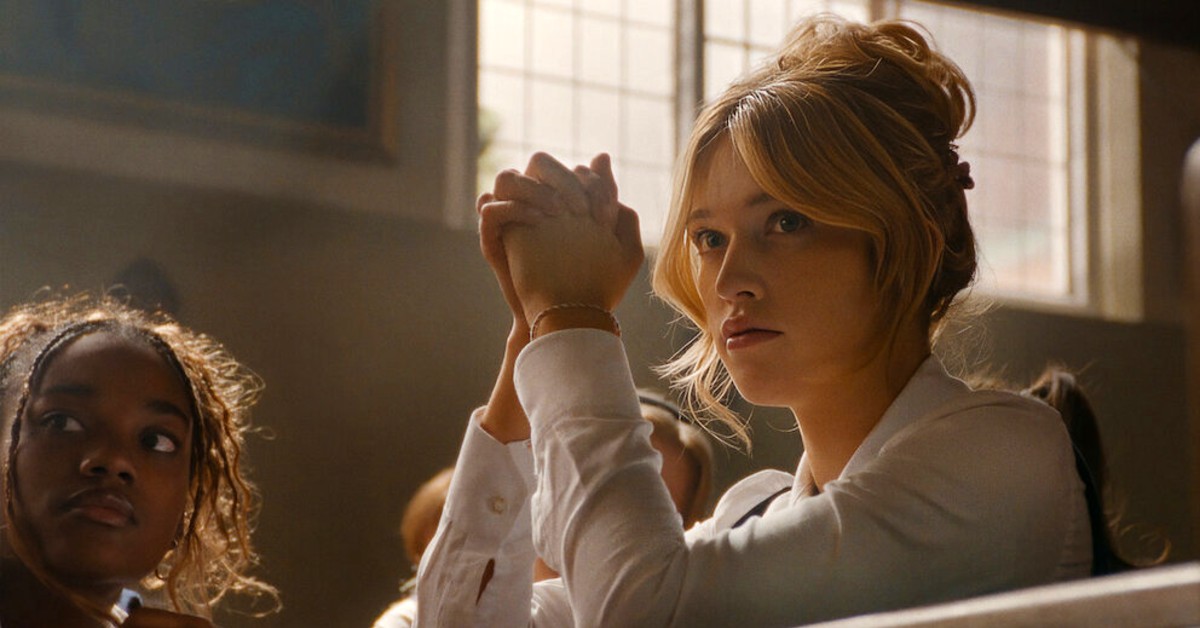

Catholic actor Jim Caviezel is raising serious concerns about radical Islam, claiming that his willingness to expose religious persecution and violence against women has placed his own life in danger.
The actor, best known for portraying Jesus Christ in The Passion of the Christ, recently told podcast host Benny Johnson that he is the target of an Islamic religious decree calling for his death.
“I have a fatwa on me,” Caviezel declared during the interview, according to LifeSiteNews.
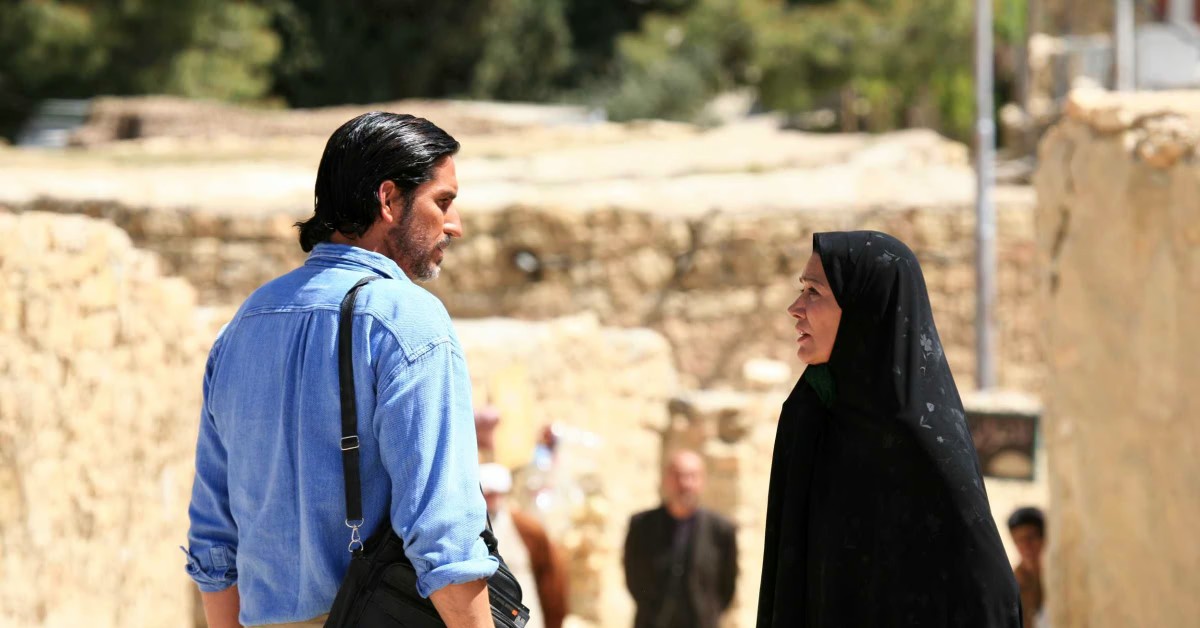
“They have a right to cut my heart out in their islamic belief because I exposed them in a movie called The Stoning of Soraya M,” he continued.
Caviezel was referring to the 2009 film The Stoning of Soraya M., which dramatizes the story of an Iranian woman falsely accused of adultery and sentenced to death by stoning after her husband sought to end their marriage.
The film brought international attention to the brutality of the punishment and the suffering of women subjected to religious extremism.
Now, more than a decade after its release, Caviezel claims his involvement in exposing those abuses continues to make him a target.
His allegation of a fatwa has not been independently verified in the source material, and he did not identify the individual or religious authority allegedly responsible for issuing it.
Caviezel Warns Americans About Sharia Law
During his conversation with Johnson, Caviezel expressed concern about what he described as the growing influence of Islamic law in the United States.
“You might not know what Sharia Law is,” he warned, “but you’re going to know what it is very, very soon.”
His remarks came during a broader discussion about the potential spread of radical Islamic ideology in American society.
Sharia refers to Islamic religious law, which is interpreted and practiced differently across Muslim communities and countries. While many Muslims understand it primarily as guidance for personal religious life, extremist interpretations have been used to justify severe punishments and restrictions on fundamental freedoms.
Caviezel argued that Americans should not automatically dismiss warnings about radical Islam as conspiracy theories.
His comments reflect his belief that the dangers associated with extremist interpretations of Islamic law deserve greater public attention, particularly when religious beliefs are used to justify violence or suppress human rights.
A History of Death Threats Against Critics of Islam
The dangers faced by individuals accused of offending Islamic religious authorities have been demonstrated in previous cases.
One of the most widely known involves author Salman Rushdie, whose 1988 novel The Satanic Verses provoked international controversy.
In 1989, Iran’s Ayatollah Ruhollah Khomeini issued a fatwa calling for Rushdie’s death, along with the deaths of those involved in publishing his book.
According to LifeSiteNews, the decree was followed by violence against individuals associated with the novel, including the murder of its Japanese translator and attacks on other translators and publishers.
Rushdie himself spent years under extensive security protection.
The case remains a prominent example of how religiously motivated threats can endanger freedom of expression and the lives of those accused of blasphemy.
Unlike the documented decree against Rushdie, however, Caviezel’s reported fatwa remains an allegation based on his public statements.
A Catholic Actor Refuses to Remain Silent
For Caviezel, speaking publicly about religious extremism is closely connected to his understanding of Christian courage and the willingness to suffer for one’s convictions.
The actor has repeatedly emphasized that following Jesus Christ requires more than professing belief when doing so is comfortable or socially acceptable.
In a 2009 interview with Christianity Today, following the release of The Stoning of Soraya M., Caviezel challenged Christians to recognize that suffering and sacrifice remain part of the Christian life.
“So suffering plays no part of our Christianity, it was just ‘those guys back then.’ It’s not true. It’s in everyday life,” he said.
He also challenged believers to consider whether they would remain faithful when confronted with opposition.
“Where are we going to stand? What choice are we going to make?” Caviezel asked. “Are we going to be cowards?”
Those convictions were evident in his recent conversation with Johnson.
“Christians today are more afraid of the devil than they are of God. They should be terrified of God, but they’re afraid of the devil,” Caviezel argued.
“I can’t live that way,” he added. “I’m not going to be a slave under that guy.”
Religious Freedom and the Courage to Defend the Faith
Caviezel’s warnings raise broader questions about religious liberty, freedom of expression, and the protection of individuals who challenge religious extremism.
For Catholics, these concerns exist alongside the Church’s teaching that every human being possesses inherent dignity and must be free from religious coercion.
The Catholic Church condemns violence committed in the name of religion while also calling for respect toward Muslims and people of other faiths.
The Catechism of the Catholic Church, paragraph 841, recognizes that Muslims profess to hold the faith of Abraham and worship the one, merciful God. That teaching does not prevent Catholics from condemning persecution, religiously motivated violence, or violations of human dignity.
Caviezel’s statements also underscore the importance of distinguishing between extremist movements and the broader Muslim population, whose beliefs and practices are not uniform.
His central warning is that Christians should not allow fear to prevent them from speaking openly about religious persecution or defending those who suffer under oppressive systems.
Whether or not his reported fatwa can be independently confirmed, Caviezel has made clear that he does not intend to remain silent.
For Catholics watching his public witness, the controversy presents a familiar challenge: to defend truth and religious freedom courageously while remaining faithful to Christ’s commandment to love one’s neighbor, even in the face of hostility.
Your support brings the truth to the world.
Catholic Online News exists because of donors like you. We are 100% funded by people who believe the world deserves real, uncensored news rooted in faith and truth — not corporate agendas. Your gift ensures millions can continue to access the news they can trust — stories that defend life, faith, family, and freedom.
When truth is silenced, your support speaks louder.