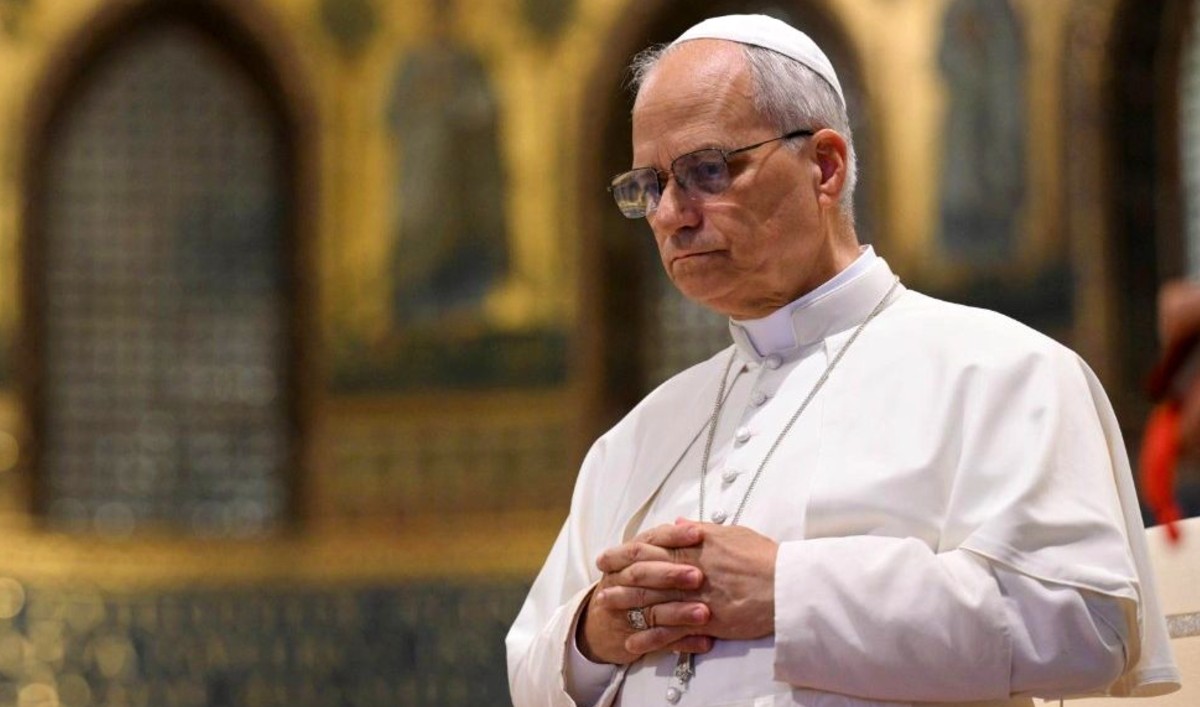

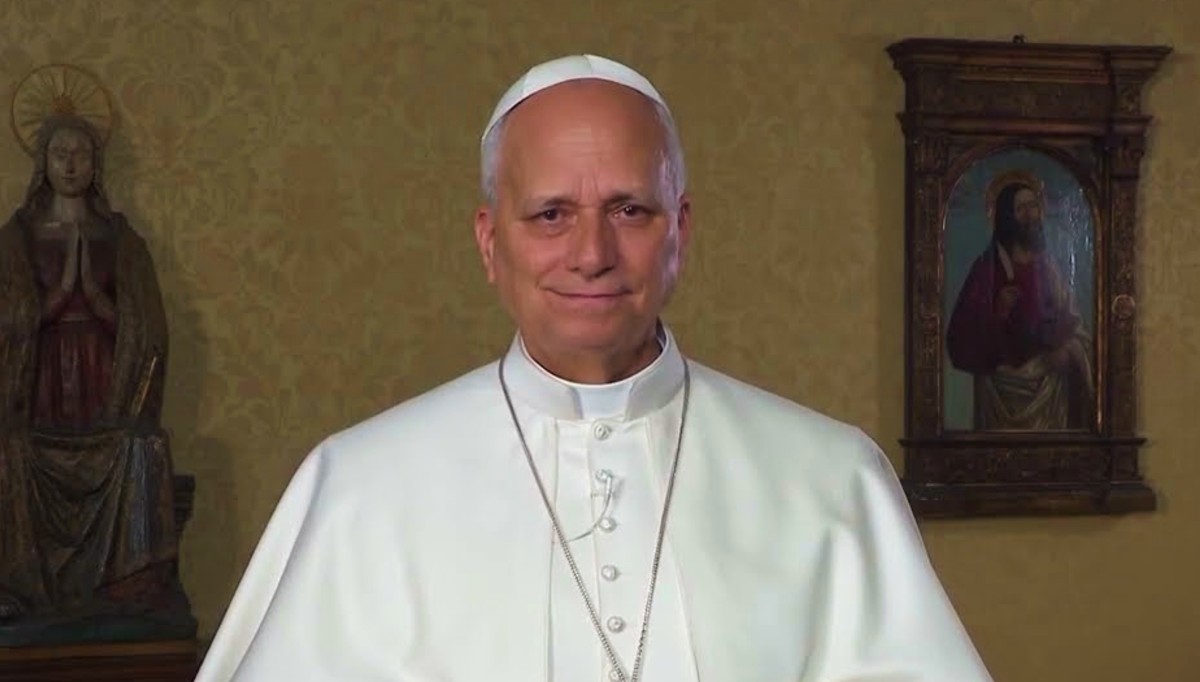
As world leaders, environmental advocates, and policymakers gathered for the Tenth Austrian World Summit in Vienna, Pope Leo XIV delivered a message that challenged efforts to address climate change solely through technology or environmental policy. Instead, he argued that the climate crisis is deeply connected to broader social and economic problems that must also be confronted.
In a video message released June 16, the Holy Father emphasized that environmental concerns cannot be separated from questions of human dignity, justice, and the common good. According to Vatican News, Pope Leo cited his recent encyclical Magnifica humanitas, stating that the environmental crisis “is not an isolated issue, but rather the ecological aspect of the contemporary socio-economic crisis.”
The Pope warned that efforts to protect the environment will fall short if societies fail to address underlying social and ethical issues. He pointed specifically to the importance of recognizing “the equal dignity of all human beings and the value of fundamental human rights,” which he said are safeguarded through principles such as solidarity, subsidiarity, social justice, and the common good.
According to Vatican News, Pope Leo stressed that special attention must be given to the poor and vulnerable, who are often the most affected by environmental degradation. He argued that environmental solutions must include concern for those who suffer the greatest consequences of climate change and economic instability.
The Holy Father framed his message around three Christian virtues: faith, hope, and love.
Speaking about faith, Pope Leo said believers have a unique responsibility to care for creation because they recognize the world as a gift from God. Quoting Pope Francis’ encyclical Laudato Si’, he reminded listeners that “Living our vocation to be protectors of God’s handiwork is essential to a life of virtue.” According to Vatican News, he also noted that many religious traditions view creation as sacred and therefore strengthen humanity’s commitment to protecting life and nature.
Turning to hope, Pope Leo acknowledged growing concerns about global instability, environmental decline, and the consequences of climate change. He observed that international efforts are often hindered by fear, including “fear of changing course, fear of losing power and fear of uncertain outcomes.”
Despite these challenges, the Pope insisted that hope remains essential. According to Vatican News, he declared, “Despite the naysayers or cynics, hope can be a powerful driving force.” He also expressed confidence that future international climate efforts could help foster societies where “the common good takes precedence over profit” and where economic systems are grounded in “solidarity and human dignity.”
The Pope further called on wealthier nations to assist poorer countries through financial support and by helping create what he described as a more person-centered international financial framework.
Finally, Pope Leo focused on the virtue of love, encouraging the development of a culture that values both people and creation. According to Vatican News, he highlighted the importance of what Pope Francis called “civic and political love,” urging leaders and citizens alike to place charity at the center of social, economic, and political life.
“In order to make society more human, more worthy of the human person,” Pope Leo said, “love in social life – political, economic and cultural – must be given renewed value, becoming the constant and highest norm for all activity.”
Concluding his message, the Holy Father expressed hope that participants at the summit would help promote a culture of care and contribute to what he called a “civilization of love,” one rooted in human dignity, solidarity, and responsible stewardship of God’s creation.
Your support brings the truth to the world.
Catholic Online News exists because of donors like you. We are 100% funded by people who believe the world deserves real, uncensored news rooted in faith and truth — not corporate agendas. Your gift ensures millions can continue to access the news they can trust — stories that defend life, faith, family, and freedom.
When truth is silenced, your support speaks louder.