

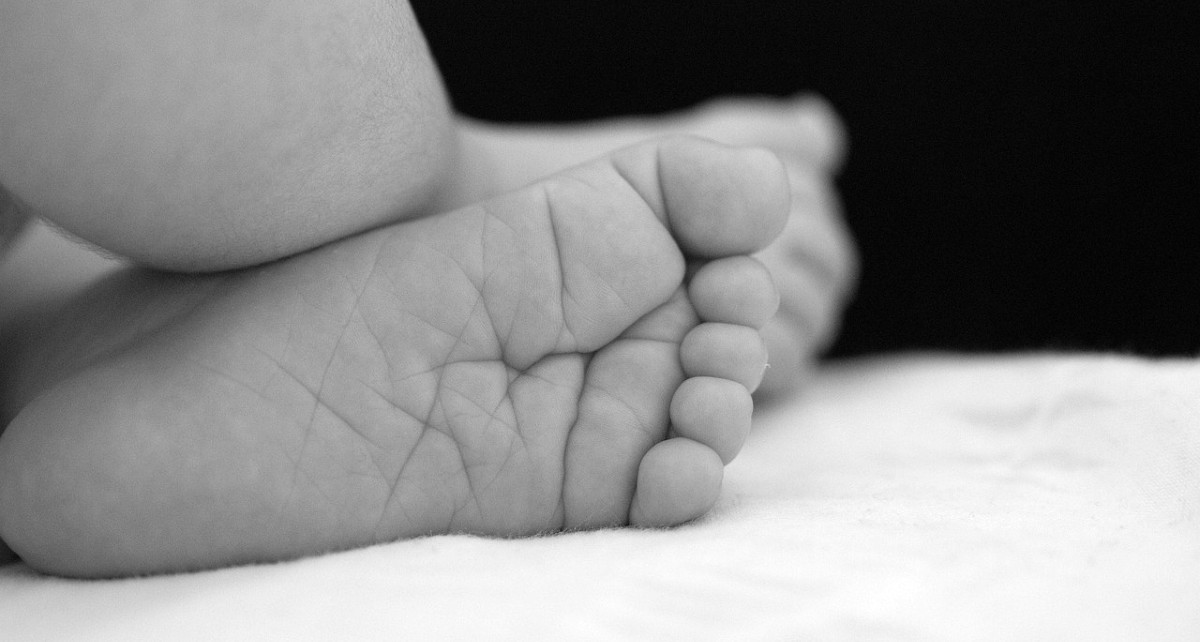
This Saturday is the National Day of Remembrance for Aborted Children. Co-founded by three pro-life groups in 2013, it is a day on which people from coast to coast gather at the gravesites where aborted babies are buried, or alternatively, at the memorial markers that have been set up at various Churches, cemeteries, and other religious sites.
The “Vision” memo I shared with the other co-founders prior to the launch of this project helps us understand a few key dimensions of this observance.
First, there are three phases to it. Prior to the day itself, we urge people to learn the stories behind the gravesites. How were these bodies found? What were the controversies involved in burying them? Why are 16,500 babies in a single grave?
The stories reveal the evil of abortion, the mindset of its proponents, and the heroism of pro-life advocates. Prior to the establishment of this national observance, many solemn funerals and burials of these babies took place, laying the groundwork for this further step.
The next phase, of course, is the Day of Remembrance itself. And the third phase is the pro-life work we continue to do after the observance, and the ways in which this Day of Remembrance shapes that work
A second consideration about this day is that it reconnects us to the humanity of these babies. Abortion is not an abstract concept or merely a philosophical, moral, or political debate. It is a tragedy in which real people are killed and mourned.
We hold funerals and give burials to human persons. Going to their gravesites, and inviting others to do the same, enables us not only to affirm the humanity of these children, but to experience it.
A third dimension of the National Day of Remembrance is that it fosters healing for those who have lost children to abortion. Whether it is the mother or any of the others impacted by abortion (see www.AbortionShockwaves.com), to pray at a gravesite or memorial marker is a way to process the grief.
Moreover, to have others there with you doing the same thing, and to know that thousands are joining you around the country, is an affirmation of that grief.
That is precisely the opposite of the callous, offensive stance of the pro-abortion mindset that holds there is nothing to grieve, because after all, it wasn’t a baby, and ending the pregnancy was an act of freedom and health care. Dr. Theresa Burke, who founded Rachel’s Vineyard, the largest ministry of healing after abortion, calls it “forbidden grief.”
And finally, the National Day of Remembrance is a prophetic moment. We who are pro-life grieve these children now, while others celebrate the “right to choose.” But the day will come when our whole society will repent of abortion. People will see the light and wonder how we lived through these decades of deception and bloodshed disguised as freedom.
The grief will no longer be forbidden.
People standing now by the gravesites of these babies with tears in their eyes and sorrow in their hearts provide a glimpse into a future filled with the grace of repentance and mercy from a God who does not fail to awaken his people and offer them anew the chance to turn away from evil and destruction.
Today, and even more on that day, we will know the meaning of the Lord’s words, Blessed are they who mourn, for they will be comforted (Mt. 5:4).


Pray the rosary