
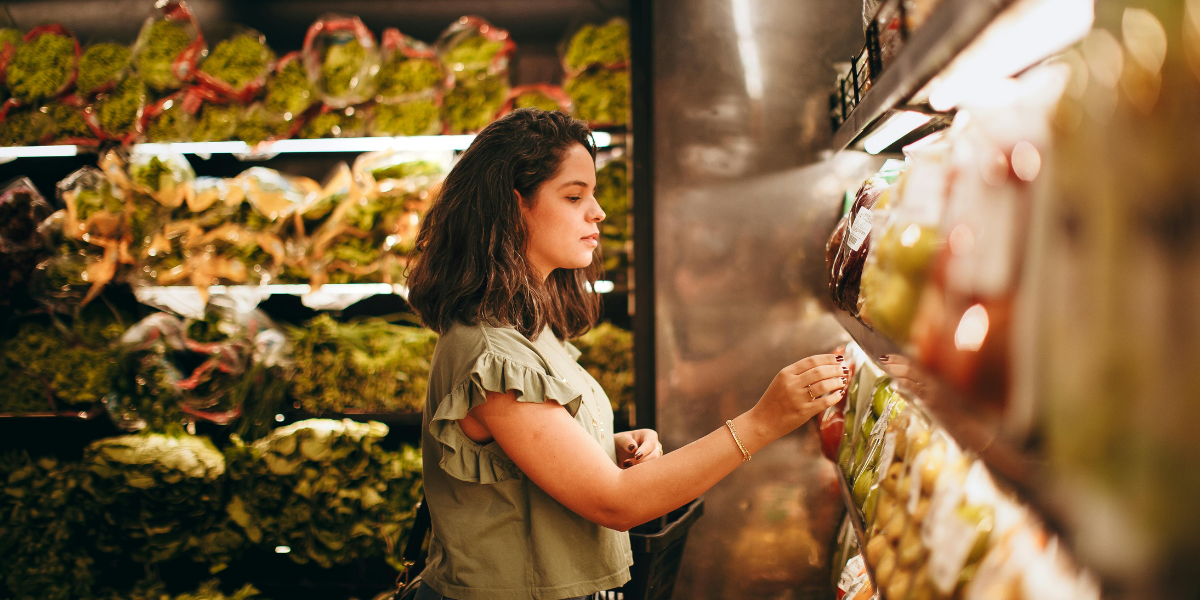
American families are confronting two pressures at the grocery store at once: the continuing high cost of feeding their households and growing concern about whether the food they purchase is safe.
The average American household now spends more than $10,000 each year on groceries, according to figures cited by Axios, while food prices have increased more than 18 percent since 2022. For families already struggling to stretch their budgets, a recalled carton of eggs, bag of produce or other grocery item can mean more than an inconvenience. It can mean throwing away food they worked hard to afford.
At the same time, federal health officials are investigating multiple outbreaks of foodborne illness.
According to the U.S. Food and Drug Administration, its Coordinated Outbreak Response and Evaluation teams are currently managing investigations involving several pathogens and food products. The agency notes that investigations can be at different stages and that not every recall or safety alert is associated with an outbreak of illness.
Axios reported that the FDA recently reached a record 19 simultaneous outbreak investigations. The publication also reported that 5,504 products have been recalled so far in 2026, compared with 5,461 last year and 6,524 in 2024.
Recent cases demonstrate the potential seriousness of foodborne illness.
In one multistate Salmonella outbreak linked to shell eggs, the FDA reported that 134 people in 18 states became ill and 34 were hospitalized. No deaths were reported. The investigation ultimately identified eggs produced at a Texas facility as a likely source, and the affected eggs were recalled.
Concerns are also being raised about the government’s ability to oversee an enormous and increasingly interconnected food supply.
Food policy analyst Lauren Borsheim told Axios, “It can be really, really scary out there.”
Borsheim argued that federal changes beginning in 2025 have weakened important food-safety protections. Food-safety advocates have specifically pointed to staffing reductions across agencies including the FDA, CDC and USDA.
Christopher Barrett, an economist at Cornell University, told Axios that the nation’s food-safety system “has gotten hit so hard over the last year and a half.”
The Associated Press has also reported concerns about declining food inspections. According to AP, FDA inspections of foreign food facilities have fallen substantially since 2019, with the decline connected to several factors including the COVID-19 pandemic, employee retirements and more recent agency reorganizations and staffing changes.
The consequences can become especially significant when a problem originates with a major supplier whose products are distributed across numerous states and businesses. A contamination problem that once might have remained relatively contained can quickly become a national recall or outbreak investigation.
Still, the number of recalls alone does not establish that America’s entire food supply has suddenly become unsafe. Axios noted that recall totals for 2026 remain relatively close to recent years, and the FDA itself distinguishes recalls from confirmed outbreaks.
The high cost of groceries also cannot simply be blamed on recalls or food-safety problems.
Former USDA Chief Economist Joseph Glauber told Axios that the two issues are not sharply connected. According to Glauber, current food prices are being affected by several factors, including energy costs, trade policies, weather conditions and problems affecting particular agricultural sectors.
For Catholic families, the issue reaches beyond economics. Food is one of life’s most basic necessities, and ensuring that families can obtain safe and affordable food touches questions of human dignity, responsible stewardship and concern for the common good.
The burden can be particularly difficult for parents, seniors and lower-income households. When grocery prices rise, families have fewer dollars available for housing, utilities, medicine and other necessities. When expensive food must then be discarded because of a recall, that burden becomes even greater.
Barrett warned that inadequate oversight can ultimately carry financial consequences as well.
“When you cut corners, and you’re not seeing the inspectors show up very often, then more stuff gets out the door,” he told Axios, arguing that illnesses and recalls can generate additional costs that eventually reach consumers.
The challenge for the country is therefore twofold: maintaining a food-safety system capable of protecting a vast national food supply while confronting the economic pressures making it increasingly difficult for families to put food on the table.
For Catholic communities committed to serving families and the vulnerable, both concerns deserve attention. Affordable food matters. Safe food matters. Families should not have to wonder whether protecting their health will mean throwing away groceries they can barely afford to replace.
Your support brings the truth to the world.
Catholic Online News exists because of donors like you. We are 100% funded by people who believe the world deserves real, uncensored news rooted in faith and truth — not corporate agendas. Your gift ensures millions can continue to access the news they can trust — stories that defend life, faith, family, and freedom.
When truth is silenced, your support speaks louder.