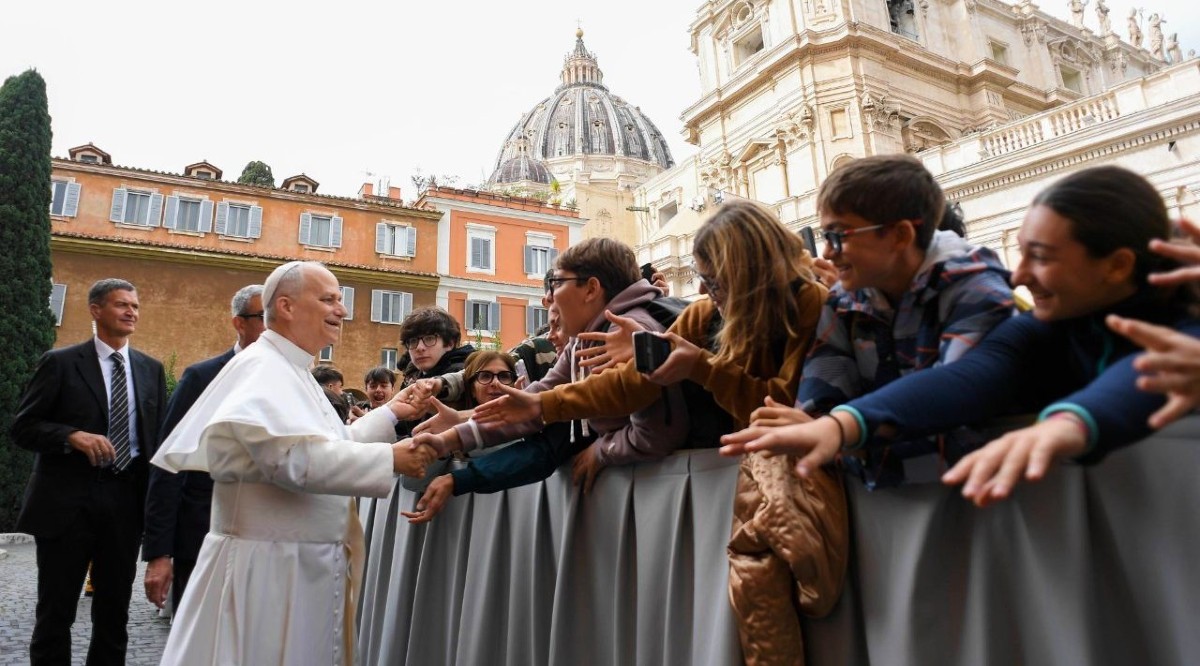

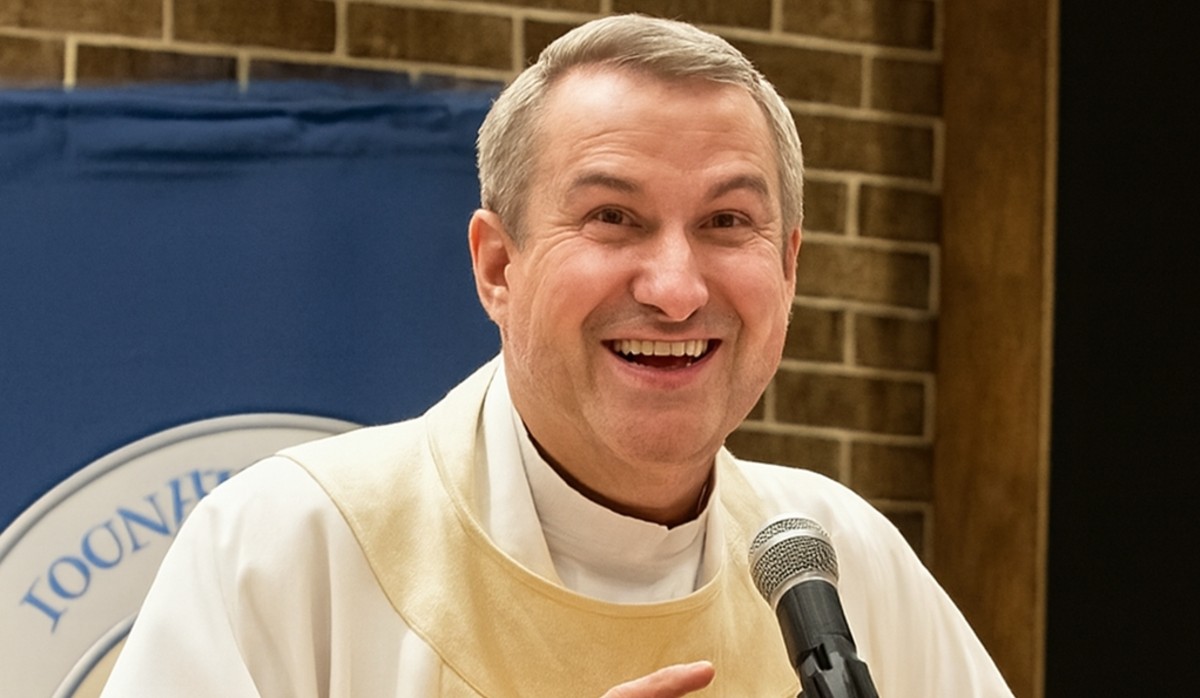
Pope Leo XIV’s first encyclical, Magnifica humanitas, is already generating discussion around the world, and one American archbishop believes it may become one of the defining Church documents of the digital age.
In an interview with Vatican News, Archbishop Ronald Hicks praised the Holy Father’s decision to address artificial intelligence early in his pontificate, calling the encyclical both timely and necessary as society grapples with the rapid growth of AI technology.
The archbishop said Pope Leo has recognized a challenge that is already shaping the lives of millions of people.
“I feel that the Holy Father has his finger on the pulse of the real issues of what’s going on in this world. He’s addressing them. AI is here to stay,” Archbishop Hicks said, according to Vatican News.
Rather than rejecting technological advances, Pope Leo encourages dialogue about how artificial intelligence can be used responsibly while safeguarding human dignity. Archbishop Hicks noted that the Holy Father is urging society to consider questions of ethics, governance, and the common good before allowing technology to reshape every aspect of life.
According to Vatican News, the archbishop praised Pope Leo for refusing to treat AI as something the Church should ignore. Instead, he said the Pope is inviting Catholics and non-Catholics alike into a serious conversation about the future.
“He wants to have conversations around AI and what’s the best way to use it,” Archbishop Hicks explained. “He’s not saying, let’s just hide from it and let’s pretend it doesn’t exist.”
One of the central themes of Magnifica humanitas is the question of what it means to be human in an increasingly technological world. Archbishop Hicks believes that concern resonates far beyond the Church.
“I also like that in the encyclical that Pope Leo is really reflecting on what does it mean to be human,” he said, according to Vatican News. “At the end of the day, we’re all human.”
The archbishop also pointed to growing concerns among young people who are wondering how AI will affect their futures. Many students and young adults are questioning whether the careers they are preparing for today will even exist in the coming decades.
According to Vatican News, Archbishop Hicks said young people are asking, “Am I studying for something right now, for a job, for a career that’s not going to exist in the next decade or so because AI is going to take it over?”
He believes Pope Leo’s encyclical offers a valuable framework for addressing those concerns while maintaining a focus on the dignity of work and the value of the human person.
The archbishop also drew a connection between Magnifica humanitas and Pope Leo XIII’s landmark 1891 encyclical Rerum Novarum, which addressed the social challenges created by the Industrial Revolution. Just as the Church spoke out to defend workers and human dignity during a period of massive economic and technological change, Archbishop Hicks believes Pope Leo XIV is providing similar guidance for the age of artificial intelligence.
“I think this particular encyclical by Pope Leo is going to be highly significant for so many generations to come,” he said, according to Vatican News.
For Catholics, the document’s importance extends beyond technology itself. Archbishop Hicks emphasized that the Church’s mission has always centered on understanding the human person in light of Christ.
Reflecting on the encyclical’s pastoral significance, he noted that its deeper question is not simply how AI works, but how human beings relate to God and one another in a changing world.
According to Vatican News, he said the encyclical asks, “What does it mean to be human?” and helps the Church continue its mission of helping people recognize the dignity of every person created in God’s image.
As discussions about artificial intelligence continue to expand across governments, businesses, schools, and families, Archbishop Hicks expressed gratitude that Pope Leo has chosen to place Catholic social teaching at the center of the conversation.
“He’s helping to shape what the world looks like,” the archbishop said, according to Vatican News, “within the context of Catholic social teaching and also the mission of the Church, which comes from Jesus Christ.”
Your support brings the truth to the world.
Catholic Online News exists because of donors like you. We are 100% funded by people who believe the world deserves real, uncensored news rooted in faith and truth — not corporate agendas. Your gift ensures millions can continue to access the news they can trust — stories that defend life, faith, family, and freedom.
When truth is silenced, your support speaks louder.