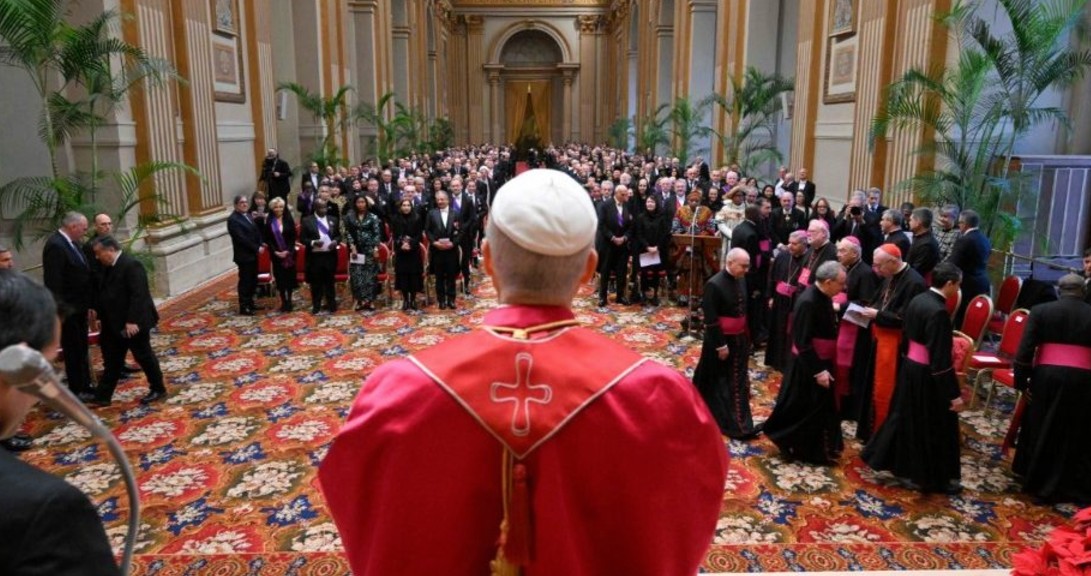
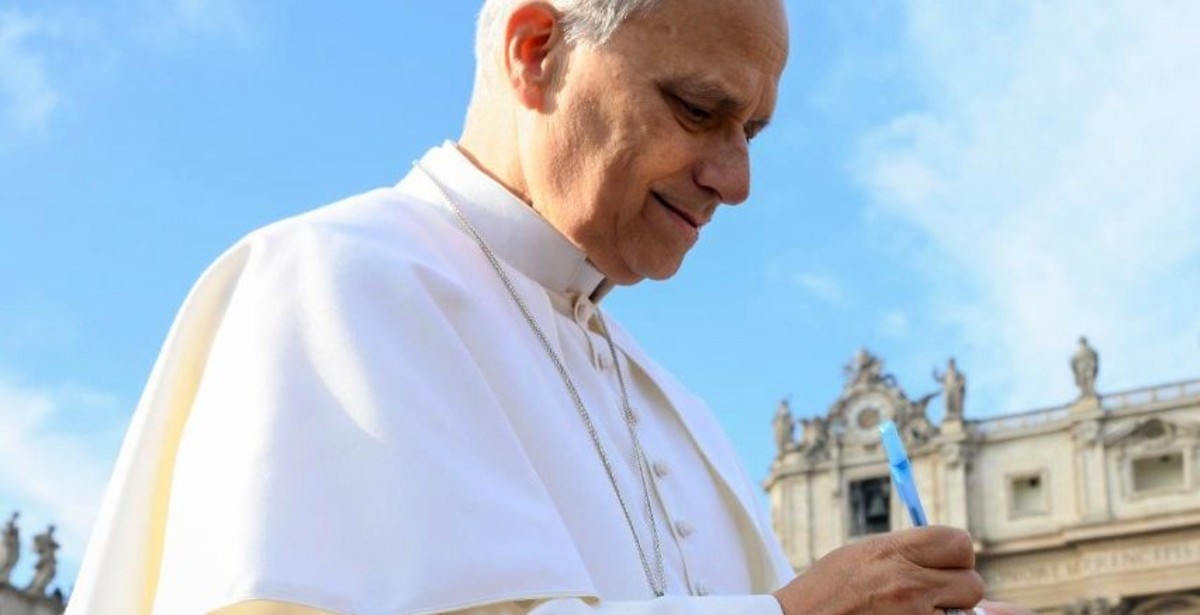
A growing controversy surrounding Pope Leo XIV has reignited debate within the Church after a former bishop came forward to defend the Holy Father’s participation in a 1995 ceremony tied to Andean traditions.
According to LifeSiteNews, questions arose after a photograph resurfaced showing then-missionary Father Robert Prevost—now Pope Leo XIV—kneeling during a ceremony connected to Pachamama, a figure associated with indigenous beliefs about “Mother Earth.”
The image has led some critics to raise concerns about possible participation in non-Christian religious practices. However, former German bishop Reinaldo Nann has strongly rejected those interpretations, insisting the event has been misunderstood.
“We see an interreligious act, where a representative of the Andean culture makes a payment to the Earth, an offering and a dialogue with the Earth. The gesture of prayer is not automatically adoration and the gesture of kneeling neither,” Nann said, according to LifeSiteNews.
Our Important Lenten Message – Please Watch
Nann, who served as a missionary in Peru during a similar time period, acknowledged that the event did take place but disputed claims that it constituted idolatry.
“To put it bluntly: the young missionary Robert Prevost did in fact take part in this 1995 congress on ecology and theology, and during a ceremony dedicated to Mother Earth he did kneel,” he said, while emphasizing that such actions must be interpreted within their cultural context.
He described the gathering as an example of the Church engaging with local traditions, rather than endorsing pagan worship. “This is not syncretism; it is inculturation,” Nann explained, according to LifeSiteNews.
Still, the situation has raised deeper theological concerns among Catholics. The idea of attributing a “soul” or spiritual identity to the Earth reflects an animistic worldview that stands in tension with Catholic doctrine, which teaches that only human beings possess immortal souls and that worship is due to God alone.
Nann addressed these concerns by pointing to intention as a key factor. “In the case of Pachamama, there are forms of ceremonies that do not contradict the Christian faith,” he said. “We can kneel before her just as we kneel before the Saints. What matters is the intention,” he added, according to LifeSiteNews.
That comparison, however, has prompted further discussion among theologians and the faithful. In Catholic teaching, the saints are honored as real persons who share in divine life and can intercede for humanity—something that cannot be attributed to elements of nature.
The broader debate highlights the Church’s ongoing challenge of inculturation: bringing the Gospel into diverse cultural settings without compromising doctrinal clarity. While missionary work often involves engaging with local customs, the Church has consistently warned against practices that blur the line between Creator and creation.
LifeSiteNews also reported that traditional practices tied to Andean culture continue in some regions today, with individuals sometimes turning either to priests for blessings or to indigenous rituals rooted in pre-Christian beliefs.
As Catholics reflect on the controversy, the situation underscores the importance of clear teaching, reverent worship, and fidelity to the truth that all creation ultimately points back to God, its Creator.
Your support brings the truth to the world.
Catholic Online News exists because of donors like you. We are 100% funded by people who believe the world deserves real, uncensored news rooted in faith and truth — not corporate agendas. Your gift ensures millions can continue to access the news they can trust — stories that defend life, faith, family, and freedom.
When truth is silenced, your support speaks louder.