
An Extraordinary Consistory convened by Pope Leo XIV this week has drawn close attention across the Catholic world, as cardinals gathered in Rome to reflect on the mission of the Church and the ongoing emphasis on synodality, while questions emerged about the structure, priorities, and direction of the meeting.
The two-day consistory opened on January 7 and brought together cardinals from around the globe to consider four major themes initially proposed by the Pope: the Church’s mission in the modern world, synodality, the relationship between the Holy See and local Churches, and the liturgy. However, only the first two topics were ultimately selected for in-depth discussion. According to LifeSiteNews, this decision prompted concern and discouragement among some cardinals, particularly regarding the effective exclusion of the liturgy from substantive debate.
An Urgent Message from Sister Sara – Please Watch
In his opening address, Pope Leo XIV emphasized the consultative nature of the gathering. “I am here to listen,” the Pope told the cardinals, explaining that the consistory was not intended to produce formal documents but rather to foster a shared reflection that would assist him in serving the universal Church, according to LifeSiteNews.
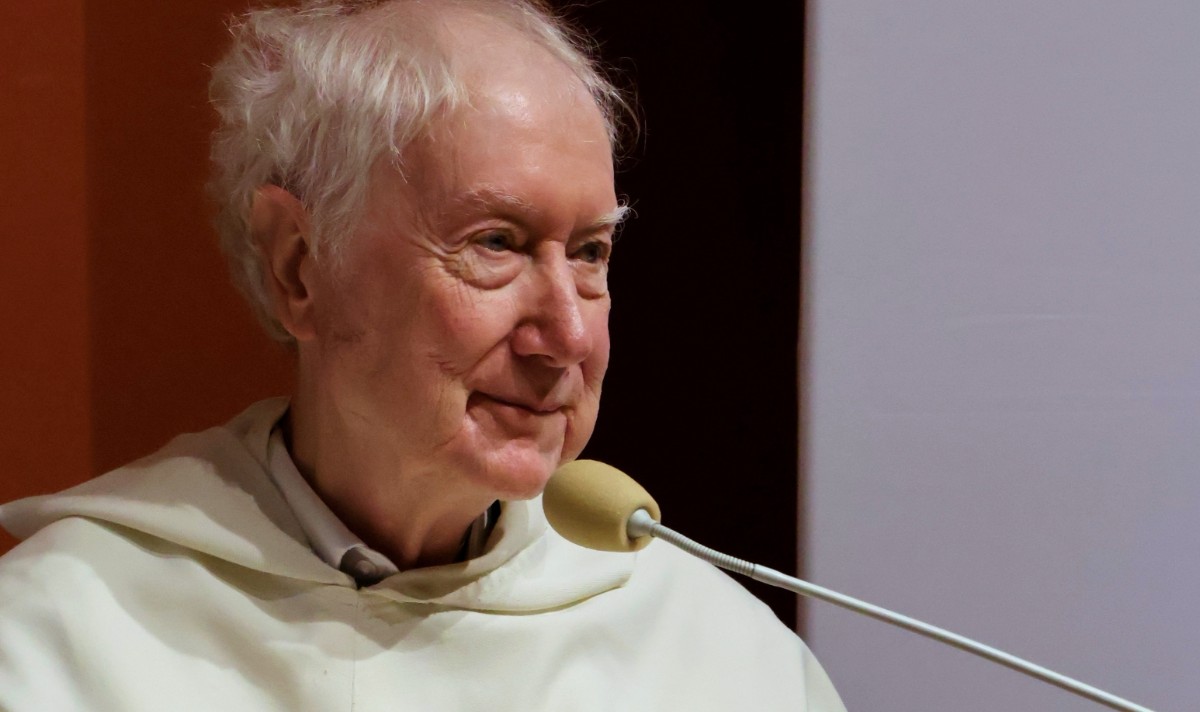
The opening meditation was delivered by Timothy Radcliffe, O.P., who reflected on the Gospel passage of Jesus walking on the water in Mark 6:45–52. Speaking to the assembled cardinals, Radcliffe urged them to remain united with the Pope, encouraging them to stay “in the boat of Peter” despite the many storms facing both the world and the Church. He pointed to challenges such as war, inequality, sexual abuse scandals, and internal divisions, and warned against remaining “on the shore” out of fear or disagreement, according to LifeSiteNews.
Radcliffe also spoke about the relationship between Tradition and renewal, stating that “memory and openness to novelty must coexist in the life of the Church.” He cited Pope Francis’ apostolic exhortation Evangelii Gaudium and the writings of Saint Augustine to argue that authentic renewal cannot be separated from the Church’s living Tradition, LifeSiteNews reported.
Concerns about the format of the consistory were also raised. According to LifeSiteNews, multiple unnamed cardinals described the first session as poorly prepared and structurally restrictive, noting the absence of free interventions during the opening day. Instead, discussions were held in small, pre-assigned working groups organized by language and curial affiliation, a structure some participants said differed significantly from the traditional model of past consistories.
Further questions were raised by Luigi Casalini of the Italian blog Messainlatino, who spoke to LifeSiteNews about uncertainties surrounding the organization of the meeting. Casalini asked who determined the program and speakers, why the topics were reduced from four to two, and who selected the nine “local Churches” tasked with formally reporting the results of the group discussions.
In his remarks, Pope Leo XIV addressed this point directly, explaining that while all 21 working groups would contribute to the process, only nine groups would present reports. “It is easier for me to ask advice from those who work in the curia and live in Rome,” the Pope said, according to LifeSiteNews. While this approach was presented as a way to streamline the process, some observers questioned whether it could also influence the direction of the discussions.
Casalini also compared the current format with earlier synods under Pope John Paul II, noting that past gatherings allowed for lengthy plenary interventions. By contrast, the present consistory allows approximately 90 minutes for interventions among nearly 190 cardinals. This, Casalini suggested, raises questions about whether the structure favors a particular agenda, according to LifeSiteNews.
LifeSiteNews also reported that future sessions of the consistory are expected to open with reflections by José Tolentino de Mendonça and Luis Antonio Tagle, both of whom are widely regarded as prominent voices aligned with the current synodal emphasis within the Church.
Throughout his address, Pope Leo XIV returned repeatedly to the centrality of Christ and charity in the Church’s life and mission. He warned that internal division weakens evangelization, stating that “it is not the Church that attracts, but Christ,” and outlined a method of proceeding marked by attentive listening, brevity, and mutual respect, according to LifeSiteNews.
As the consistory continues, many Catholics are watching closely to see how these discussions may shape the Pope’s priorities and the broader direction of the Church, particularly amid ongoing debates about synodality, Tradition, and the place of the liturgy in ecclesial life.
Your support brings the truth to the world.
Catholic Online News exists because of donors like you. We are 100% funded by people who believe the world deserves real, uncensored news rooted in faith and truth — not corporate agendas. Your gift ensures millions can continue to access the news they can trust — stories that defend life, faith, family, and freedom.
When truth is silenced, your support speaks louder.


