
A growing number of secular scholars and commentators are sounding alarms about the fragility of modern society. A recent analysis published by The Atlantic explores the rising sense of global instability, drawing parallels between today’s political and cultural anxieties and the apocalyptic fears that gripped medieval Europe. For Catholics, these conversations raise profound questions about human dignity, inequality, and the Christian call to be witnesses of hope amid disorder.
In her report, The Atlantic’s writer, Linda Kinstler, notes that in the Middle Ages, severe inequality, population stress, and natural disasters produced “a powerful strain of apocalypticism,” with some communities embracing “messianic movements of the poor,” according to historian Norman Cohn. These movements reflected “a collective sense of impotence and anxiety and envy,” which erupted into a desire “to smite the ungodly” and overturn existing systems.
Today’s conditions, The Atlantic argues, bear unsettling similarities. The article cites scholars such as Toby Ord, who claims humanity faces “a one-in-six chance” of existential destruction this century, and Jared Diamond, who suggests “a 49 percent chance of doomsday arriving by 2050,” according to The Atlantic. Cultural observers also see “end of the world vibes,” with some politicians even framed by supporters in quasi-messianic terms. As writer Dorian Lynskey puts it, “apocalyptic angst has become a constant: all flow and no ebb,” The Atlantic reports.
Into this atmosphere comes a new book, Goliath’s Curse: The History and Future of Societal Collapse, by Luke Kemp of the University of Cambridge Centre for the Study of Existential Risk. Rather than dismiss the idea of collapse, Kemp argues that major societal breakdowns have occurred repeatedly across history. His research identifies recurring patterns—the erosion of equality, over-centralization of power, ecological strain, and political division—as factors that contributed to the downfall of past civilizations from ancient Egypt to imperial China.
Kemp also highlights historical examples in which collapse reshaped societies in unexpected ways. “Crises can be good for you,” he writes, because the destruction of elite wealth—“temples, palaces, manors, monuments, bathhouses, and wealthy properties”—tended to “hurt the rich” far more than the poor, and survivors sometimes emerged with “more bargaining power with bosses and landlords,” according to The Atlantic. However, the article notes that many of Kemp’s claims, especially regarding the Black Death and the Great Recession, remain debated among scholars.
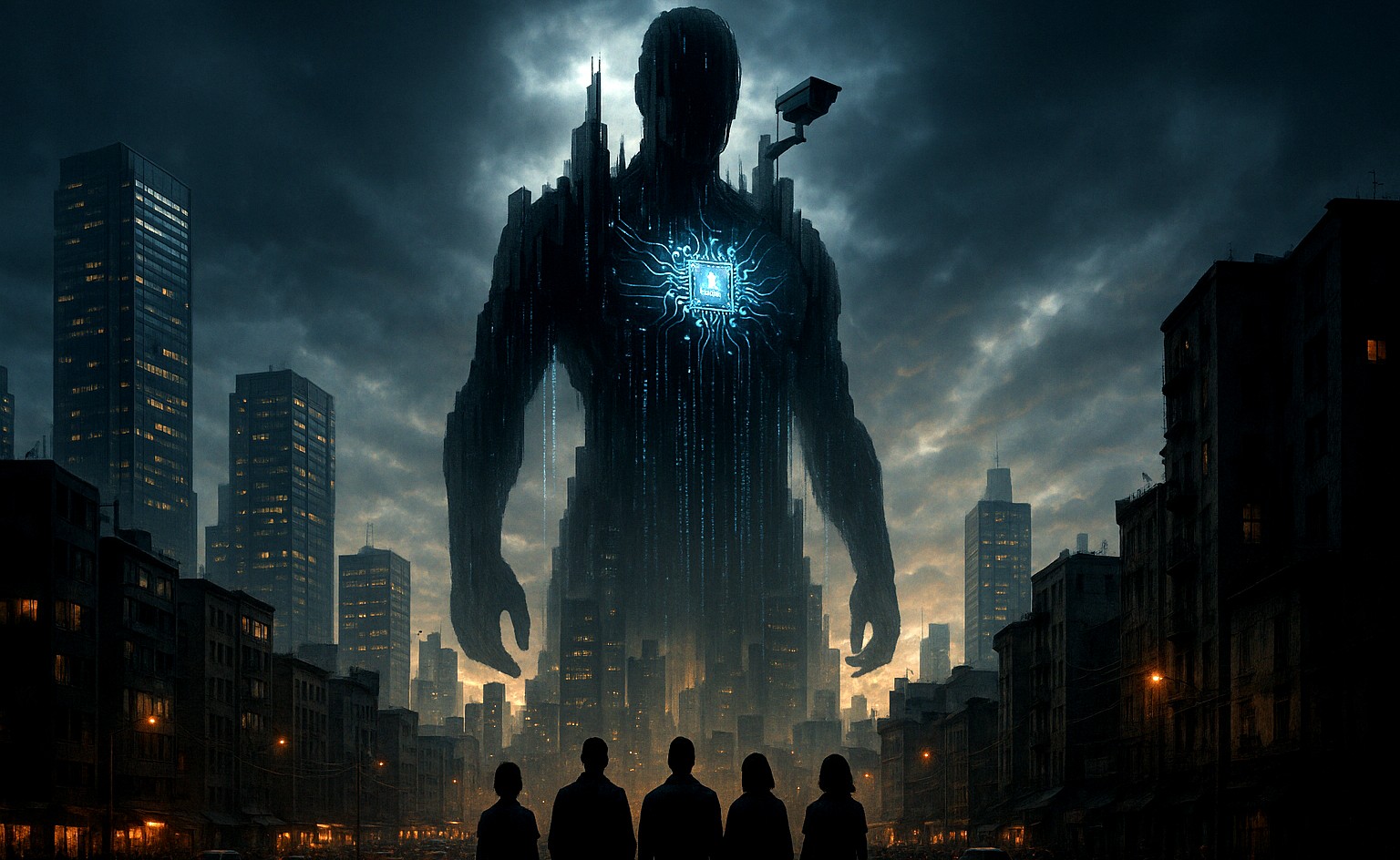
Central to the book is Kemp’s idea of the “Goliath”—a societal structure of hierarchy, domination, and concentration of wealth and labor that ultimately contains “the seeds of [its] own demise.” Past societies, he argues, often fell when elites accumulated power and resources at the expense of the common good. Today, Kemp warns that an emerging “Silicon Goliath”—driven by mass surveillance, AI, and the concentration of data—poses similar dangers.
Kemp’s rhetoric, The Atlantic observes, at times echoes medieval calls for radical change. He claims modern life resembles “a game of Russian roulette,” with the risk of catastrophic low-probability events “at an all-time high.” He also calls on citizens to resist systems that concentrate cultural, political, or economic power. “Every person who doesn’t go to work for the agents of doom, or who joins a union, or who refuses domination and tries to protect democracy,” he argues, “is another stone flung at Goliath,” according to The Atlantic.
While the article critiques some of Kemp’s sweeping generalizations, it concludes that his central appeal—to imagine a more just society and reject fatalism—is timely. In a world marked by rising inequality, political instability, and technological upheaval, The Atlantic notes that Kemp’s work “sounds a welcome note” by encouraging readers to envision a better future rather than surrender to despair.
For Catholics, this conversation aligns with longstanding Church teaching. From the prophets to the social encyclicals, the Church warns that societies built on exploitation, inequality, and disregard for human dignity will ultimately fracture. Yet the Gospel also insists that collapse is not the final word. Christians are called to be leaven in the world: defenders of the vulnerable, stewards of creation, and bearers of hope rooted not in human power but in God’s providence.
As secular thinkers debate collapse and renewal, the Church continues to proclaim that true renewal begins with conversion—turning hearts toward justice, solidarity, and the peace of Christ. Today’s cultural anxieties may echo the past, but the mission of Catholics remains the same: to work for the common good, resist systems that diminish the human person, and bear witness to a Kingdom that cannot collapse.
Your support brings the truth to the world.
Catholic Online News exists because of donors like you. We are 100% funded by people who believe the world deserves real, uncensored news rooted in faith and truth — not corporate agendas. Your gift ensures millions can continue to access the news they can trust — stories that defend life, faith, family, and freedom.
When truth is silenced, your support speaks louder.