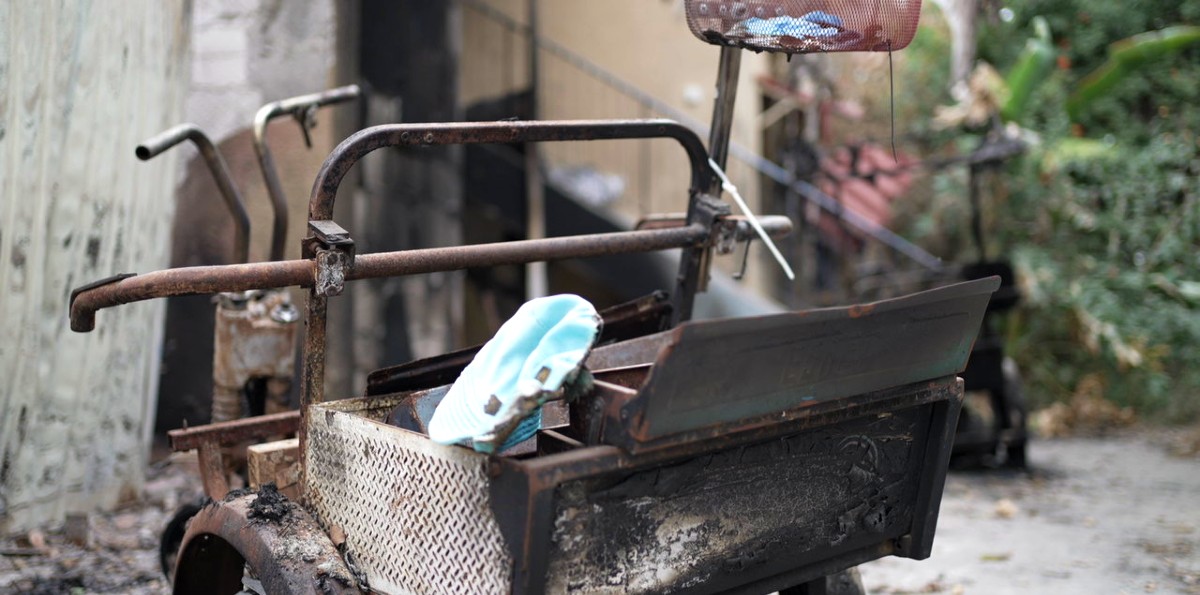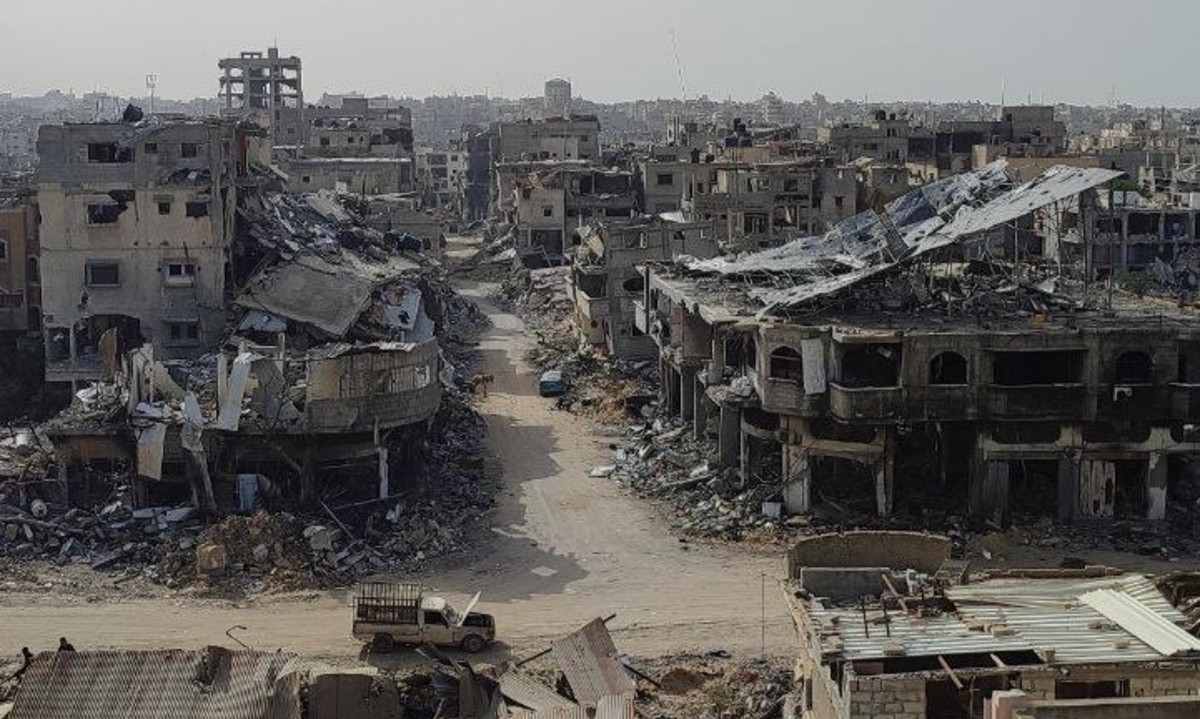


A devastating missile strike on an elementary school in Iran that killed scores of civilians, many of them children, is now under investigation, with early findings suggesting the attack may have resulted from a U.S. military targeting mistake.
According to reporting cited by LifeSiteNews from a New York Times investigation, U.S. officials involved in an internal inquiry believe the February 28 strike on the Shajarah Tayyebeh elementary school in Minab, Iran, occurred after outdated intelligence data was used to select a target. The Tomahawk missile strike reportedly killed at least 175 people, most of them children.
The investigation, which remains ongoing, found that officers at U.S. Central Command generated the target coordinates using information supplied by the Defense Intelligence Agency that had not been updated. According to the New York Times report referenced by LifeSiteNews, the school building had once been associated with a nearby Iranian military base but had since been repurposed for civilian use.
Officials familiar with the inquiry emphasized that the conclusions remain preliminary and that investigators are still determining why the outdated intelligence was not verified before the strike was authorized.
The tragedy has drawn heightened scrutiny after public comments from President Donald Trump appeared to place blame on Iran rather than the United States. Speaking aboard Air Force One, the president said, “Based on what I’ve seen, it was done by Iran,” according to statements reported in the investigation cited by LifeSiteNews.
Our Important Lenten Message – Please Watch
However, Secretary of War Pete Hegseth declined to confirm that claim when asked publicly about the incident. Instead, he said, “We’re certainly investigating. But the only side that targets civilians is Iran.”
The New York Times report noted that Iran does not possess Tomahawk missiles. According to the report referenced by LifeSiteNews, the only other countries known to have the weapon are Australia and the United Kingdom, and any transfer of such missiles to another nation would require authorization from the U.S. State Department.
When questioned by a reporter about why he appeared to be the only member of his administration blaming Iran for the strike, Trump responded, “Because I just don’t know enough about it. I think it’s something that I was told is under investigation. But Tomahawks are used by others, as you know. Numerous other nations have Tomahawks. They buy them from us.”
Humanitarian groups have also raised alarms about the broader impact of the conflict in Iran. The Human Rights Activists News Agency (HRANA), a U.S.-based organization critical of the Iranian government, has documented widespread civilian casualties since the start of hostilities.
According to HRANA data cited by LifeSiteNews, the war has resulted in at least 1,245 civilian deaths, including 194 children. The organization also reported 189 military deaths, while another 327 fatalities have not yet been classified.
The group further reported that recent airstrikes have struck a range of civilian locations, including museums, a medical center, a sports stadium, and commercial properties. In one 24-hour period alone, HRANA said 40 civilians were killed.
Meanwhile, Airwars, a United Kingdom–based organization that monitors global airstrikes, has found that the early days of the conflict involved an unusually high number of targets in populated areas. According to its investigation referenced by LifeSiteNews, “initial indications suggest [civilian harm] has been high — particularly with U.S. targets correlating with heavily populated areas.”
Relief organizations are also reporting extensive damage to civilian infrastructure. According to figures released by the Iranian Red Crescent Society and cited by LifeSiteNews, more than 19,700 civilian structures have been damaged during the bombing campaign.
Those damaged structures reportedly include 16,191 residential units, 3,384 commercial buildings, 77 pharmaceutical or medical centers, and at least 69 schools.
During a March 2 press conference, Hegseth described the campaign as unprecedented in its scale and intensity. As quoted in reports cited by LifeSiteNews, he said, “America, regardless of what so-called international institutions say, is unleashing the most lethal and precise air power campaign in history.”
He added that the strikes were being conducted “all on our terms,” including with “no stupid rules of engagement.”
For many observers, the destruction of a school filled with children has become one of the most tragic symbols of the war so far. As investigations continue, the incident has raised urgent moral questions about the protection of innocent life during armed conflict — a principle strongly emphasized in Catholic teaching on just war and the dignity of every human person.
The investigation into the strike and the circumstances surrounding it remains ongoing.
Your support brings the truth to the world.
Catholic Online News exists because of donors like you. We are 100% funded by people who believe the world deserves real, uncensored news rooted in faith and truth — not corporate agendas. Your gift ensures millions can continue to access the news they can trust — stories that defend life, faith, family, and freedom.
When truth is silenced, your support speaks louder.