
As the Church celebrates the feast of Epiphany, many Catholic families pause at the threshold of their homes to take part in a centuries-old tradition that is both simple and deeply symbolic: the Epiphany house blessing.
At the heart of the custom is a visible sign written above the front door, often puzzling to passersby. What may look like random letters and numbers is, in fact, a prayer placed at the entrance of the home. According to Catholic News Agency, Catholics traditionally inscribe the initials C, M, and B — separated by crosses — along with the numbers of the new year. In 2026, the inscription appears as “20 + C + M + B + 26.”
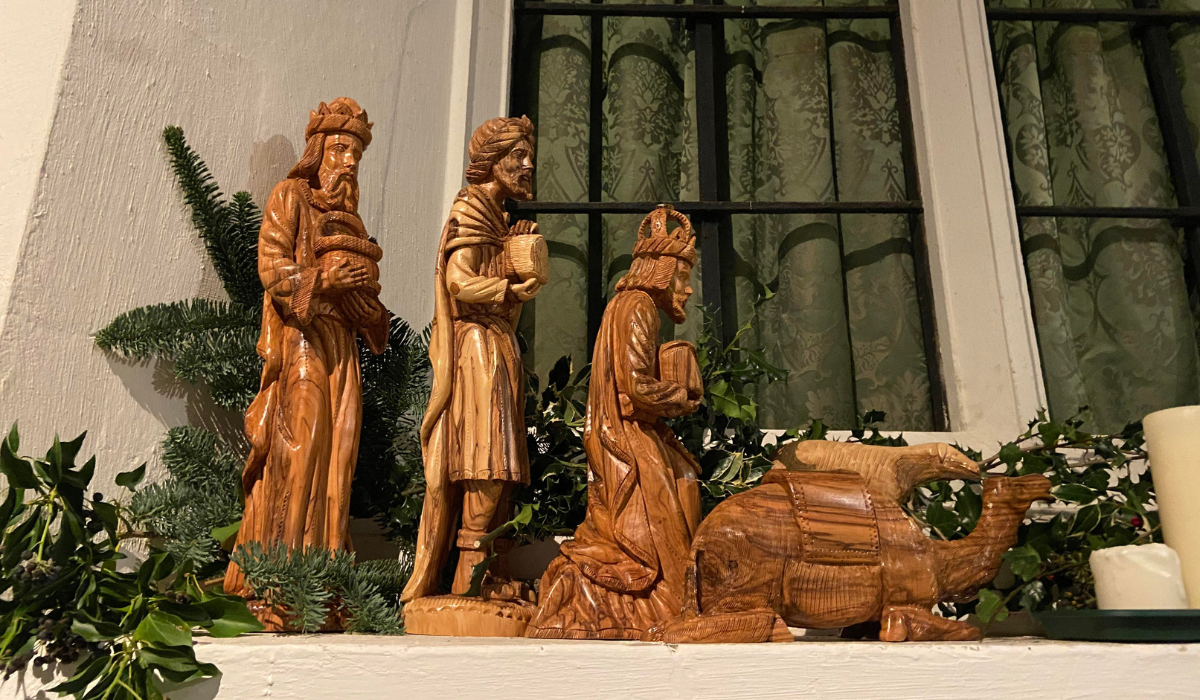
The letters carry a dual meaning rooted in Christian tradition. They refer to the traditional names of the Magi — Caspar, Melchior, and Balthasar — who traveled from the East to worship the newborn Christ. At the same time, the initials form a Latin blessing: “Christus mansionem benedicat,” meaning, “May Christ bless this house,” according to Catholic News Agency.
The Epiphany blessing is closely tied to the meaning of the feast itself. Epiphany, sometimes called “Little Christmas,” commemorates the manifestation of Christ to the nations, represented by the Magi who followed the star to Bethlehem. While the feast is traditionally observed on January 6, the Church in the United States celebrates it on a Sunday between January 2 and January 8.
Many parishes help families participate in the tradition by providing chalk, holy water, and the prayers for the blessing. Catholic News Agency notes that the practice is especially popular in Poland and other Slavic countries, where it has long been observed, but it has become increasingly common in the United States in recent years.
The ritual begins with the family gathered outside the front door, where they make the sign of the cross and invoke peace upon the home. During the blessing, Scripture and prayer are central. The Magnificat — the hymn of praise spoken by the Blessed Virgin Mary in the Gospel of Luke — is traditionally read while holy water is sprinkled throughout the house.
One of the prayers included in the blessing recalls the journey of the Magi: “From the east came the Magi to Bethlehem to adore the Lord; and opening their treasures they offered precious gifts: gold for the great King, incense for the true God, and myrrh in symbol of his burial,” according to Catholic News Agency.
The prayers conclude with a petition asking God to fill the home with spiritual and human virtues. As Catholic News Agency reports, the blessing asks that within the home there may be “health, purity, the strength of victory, humility, goodness, and mercy.”
After the prayers, the chalk inscription is written above the door, placing the household under Christ’s protection for the year ahead. The numbers of the year are split on either side of the initials, forming the final blessing.
Catholic News Agency describes the Epiphany house blessing as “a special tradition at the beginning of each year, a way to invite God into your home and place your family under his protection.”
In a world often marked by uncertainty, the chalk blessing offers Catholic families a quiet but profound way to consecrate their homes anew, reminding all who enter that Christ is welcomed, honored, and invoked as Lord of the household.
Your support brings the truth to the world.
Catholic Online News exists because of donors like you. We are 100% funded by people who believe the world deserves real, uncensored news rooted in faith and truth — not corporate agendas. Your gift ensures millions can continue to access the news they can trust — stories that defend life, faith, family, and freedom.
When truth is silenced, your support speaks louder.