
As concerns grow over the spread of occult practices worldwide, Church leaders are warning of a serious shortage of trained exorcist priests, leaving many faithful without proper spiritual care.
During a recent meeting at the Vatican, Pope Leo XIV was presented with troubling findings about the increasing demand for exorcists. According to The Telegraph, representatives from the International Association of Exorcists (AIE) emphasized that modern influences—including digital culture—are contributing to a resurgence of interest in the occult.
Dr. Alberto Castaldini, a theologian, explained that the shortage is significant, noting that it “would be a significant achievement if every Catholic diocese could have at least one exorcist,” according to The Telegraph. With thousands of dioceses around the world, the gap in trained clergy remains substantial.
Our Important Lenten Message – Please Watch
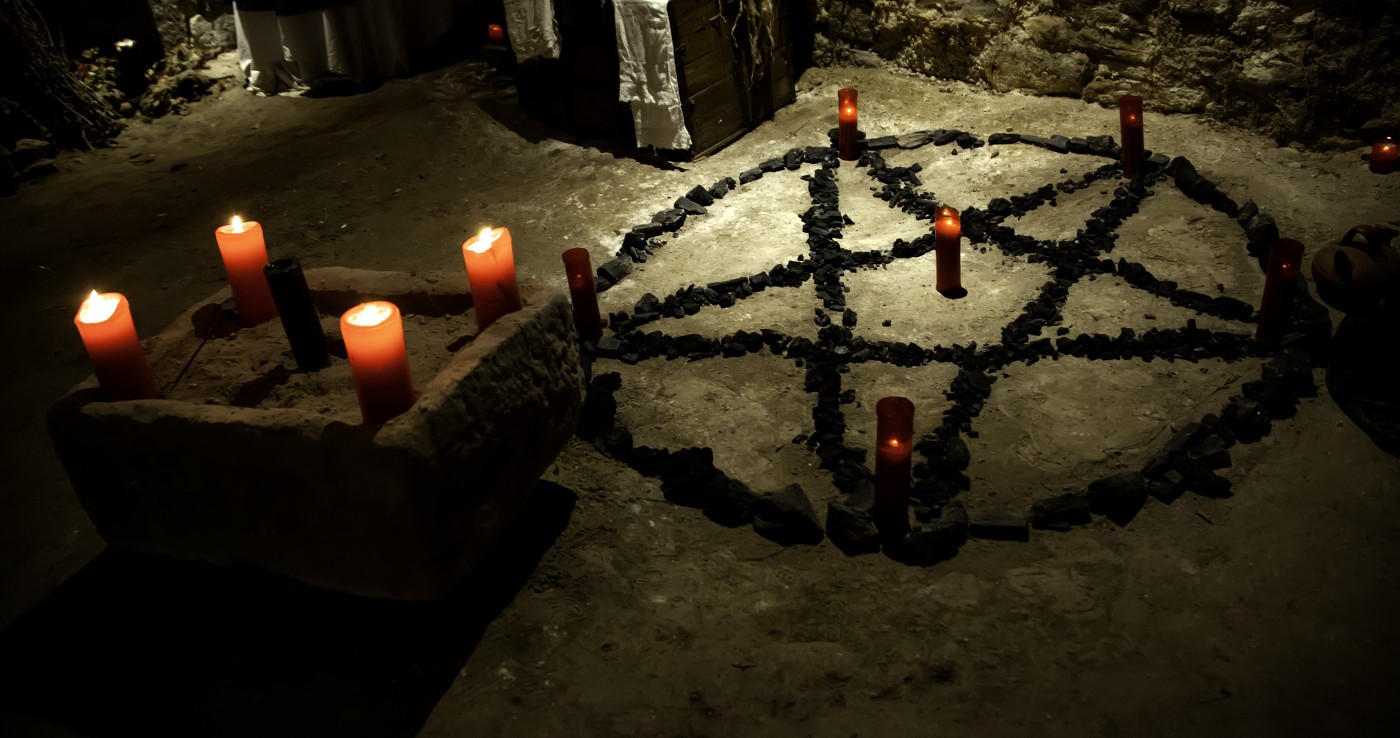
The growing need is tied to a rise in spiritual dangers associated with occult involvement. Dr. Castaldini stated that this demand stems from “involvement in occult sects, membership of esoteric or neo-pagan circles, or the use of magical practices,” according to The Telegraph. He further warned that these influences are “becoming increasingly widespread and pervasive, fuelled by social media and even artificial intelligence.”
Church leaders cautioned that failing to address these realities leaves many vulnerable. Father Francesco Bamonte stressed that “ignoring these phenomena leaves many faithful without an adequate response to grave spiritual suffering, sometimes pushing them toward inappropriate solutions,” according to The Telegraph.
The role of the exorcist, while often misunderstood, remains an important and carefully regulated ministry within the Church. Pope Leo XIV has described it as a “delicate” but “most necessary” mission, reminding priests that their work must always center on Christ’s power to heal and liberate.
The Church distinguishes between different forms of exorcism, always carried out with discernment and under proper authority. Major exorcisms, reserved for rare cases of true possession, require the explicit permission of a bishop and must follow thorough medical and psychological evaluations to ensure that no natural causes explain the symptoms.
At the same time, the AIE has reinforced that authentic exorcism must remain firmly rooted in the teachings of the Church. Practices involving superstition, psychics, or object-based diagnoses are strictly rejected, with guidelines emphasizing that the focus must remain on Christ rather than the devil.
The AIE has called for stronger formation in seminaries and better training opportunities for priests, urging the Church to respond to what they describe as a growing pastoral need. Without adequate preparation, many dioceses risk being unable to support those facing serious spiritual distress.
In a world increasingly drawn toward spiritual confusion, the Church’s response remains clear: to proclaim Christ, to accompany the suffering, and to ensure that those in need are not left without the guidance and protection of properly trained shepherds.
Your support brings the truth to the world.
Catholic Online News exists because of donors like you. We are 100% funded by people who believe the world deserves real, uncensored news rooted in faith and truth — not corporate agendas. Your gift ensures millions can continue to access the news they can trust — stories that defend life, faith, family, and freedom.
When truth is silenced, your support speaks louder.