
If you want a single, undeniable case study for how broken America’s hunger system has become, you don’t need to look across the country.
Look at Central California.
The Central California Food Bank says it distributes food to 320,000+ people per month, including 100,000+ children, and moved 60+ million pounds of food in the last year across Fresno, Madera, Tulare, Kings, and Kern counties.
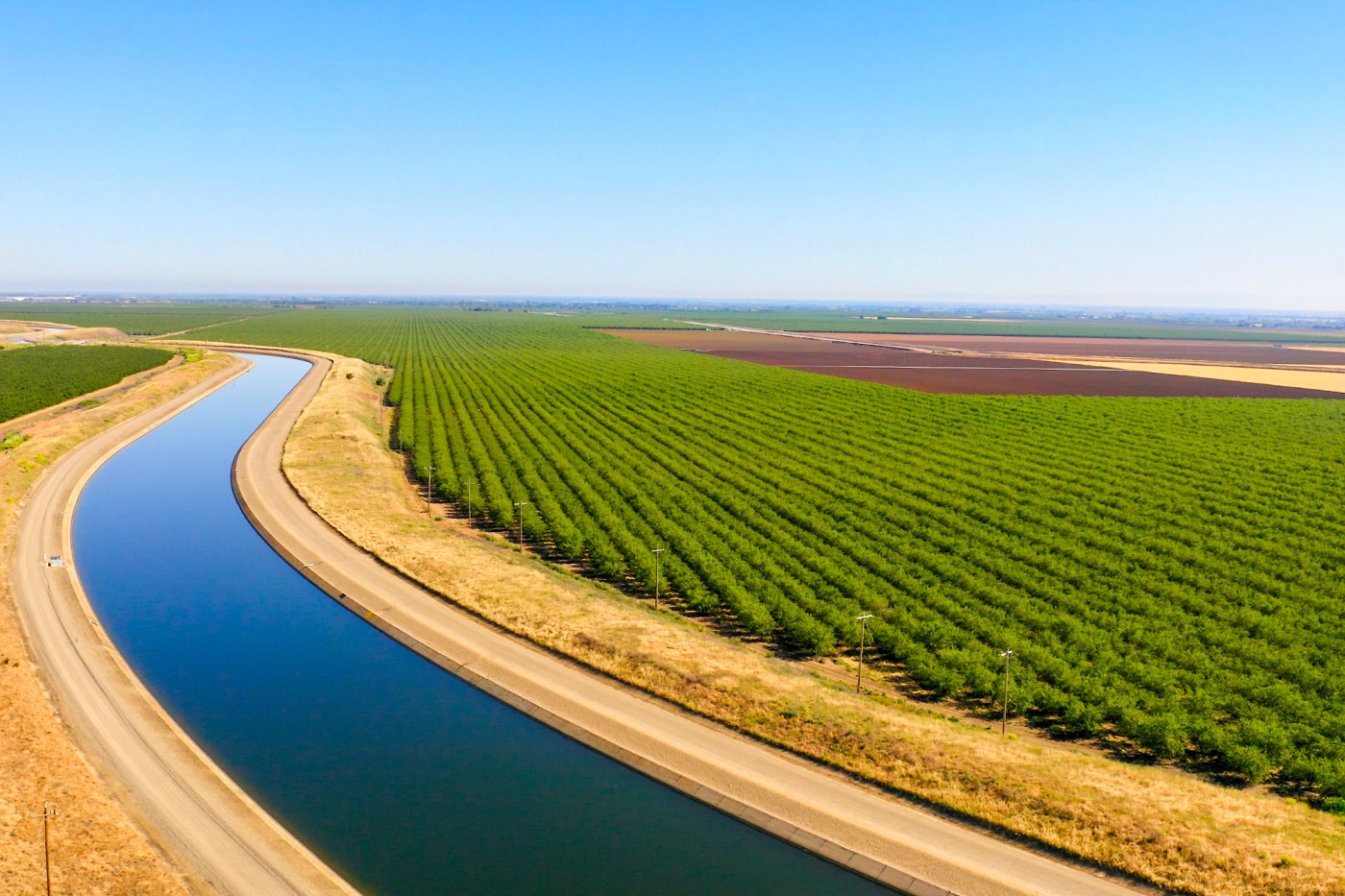
This is the San Joaquin Valley – one of the most agriculturally productive places on earth. And yet a parallel “emergency” food economy has become permanent.
That’s not a success story. That’s a warning siren.
“End hunger” has turned into a brand line – while the machine expands
The Food Bank’s stated mission is: “Transforming lives together, in the passionate pursuit to end hunger in Central California – one meal, one neighbor, one community at a time.”
But here’s the uncomfortable truth: organizations have been using “end hunger” language for decades, and by the numbers, hunger relief has become an ever-expanding maintenance system – a system that can grow, fundraise, and build infrastructure, while the underlying problem remains firmly in place.
The Central California Food Bank’s own program portfolio shows just how institutionalized this has become:
- Neighborhood Markets / Mobile Pantry (farmers’-market-style distributions)
- School Food Programs (BackPack + School Pantry)
- Senior Hunger Programs (including medically tailored food boxes at specific sites)
- First Fruits Market (a grocery-store-style “free store” experience)
- USDA Partnership via EFAP (they state they distribute USDA-acquired food to partners in Fresno County through EFAP)
That’s not a critique of the people doing the work. Many are sincere. It’s a critique of the architecture: we have built a system where “helping” can become a permanent substitute for fixing.
The tax-dollar question no one wants to answer clearly
Here’s where the system gets even more serious: How much of this food flow is taxpayer-funded?
The USDA’s own description of TEFAP is explicit: it’s a federal program that provides “emergency food assistance at no cost,” with USDA foods and administrative funds provided to states to operate the program.
And Central California Food Bank states it distributes USDA-acquired food through EFAP.
Their audited financials also state plainly that food and commodities are donated by the general public and government agencies, and that revenues come from fundraising and grants.
But what the public rarely gets – at least not in a simple, unavoidable way – is a clean, plain-English breakdown like:
- What % of total pounds distributed are USDA foods (TEFAP/EFAP commodities)?
- What % are purchased with government grants?
- What % are true private donations?
- What % are sourced locally vs. shipped in?
This isn’t a “gotcha.” It’s the minimum transparency standard for any system operating at this scale.
Because when the public hears “donate to end hunger,” but the back-end reality includes massive federal food flows, we should all be honest about what it has become: a taxpayer-supported distribution engine – with additional private fundraising layered on top.
And once a system depends on government streams at scale, politics and power always start hovering around it. That doesn’t mean every actor is corrupt. It means the incentives get distorted – fast.
The financial reality: the “in-kind” economy is enormous
The Food Bank’s own “Our Impact” page lists FY2024 financial performance showing In-Kind Food Donations of $94,484,458 and Financial Contributions & Other of $31,031,631.
That alone tells you something: this is not a small community pantry. It’s an industrial-scale, logistics-heavy system.
And that leads to the question that should be front-page news in the breadbasket:
How does a region that grows food for the world end up needing a $100M+ in-kind food pipeline just to keep families fed?
This is where ShareNetwork flips the table
You used the image of Jesus cleansing the temple – walking in and turning over the tables because something sacred was being violated.
That’s the right frame.
Because feeding people is sacred. And we’ve turned it into an industry.
ShareNetwork is not here to throw stones at food banks. It’s here to end the need for this scale of “emergency” distribution by building what the current model refuses to build:
- Neighborhood-level microhubs that operate locally, with local accountability
- Last-mile distribution that can run through churches/parishes, trusted community sites, and volunteer networks
- Radical transparency (live dashboards that show where food came from, what it cost, where it went)
- A pathway out: gardens, local producers, local aggregation, skills, and resilience—so families don’t live in lines forever
Food banks can distribute food. But distribution alone doesn’t restore dignity, independence, and local food sovereignty.
The moral obligation now is to stop pretending
If Central California is feeding 320,000+ people per month in the most productive agricultural corridor in the country, then we’re not watching “charity.”
We’re watching a system that has become normal – when it should be unthinkable.
So here’s the line in the sand:
We don’t need “more of the same” with better messaging.
We need a new operating system – built for the AI age, built for local ownership, built for truth, and built to actually shrink the line instead of managing it.
That’s why ShareNetwork exists.
What You Can Do Right Now
If you believe hunger should be solved where it exists – locally, transparently, with real accountability – then help build the infrastructure that makes that possible.
Donate to build ShareNetwork hubs and the last-mile systems that put food back into communities – where it belongs.
Your donation isn’t just “support.”
It’s a vote for a better design.


