
A newly uncovered third-century fresco in western Turkey is offering a vivid window into how the earliest Christians understood Christ as the Good Shepherd, a title rooted directly in Scripture and central to the Church’s earliest visual language.
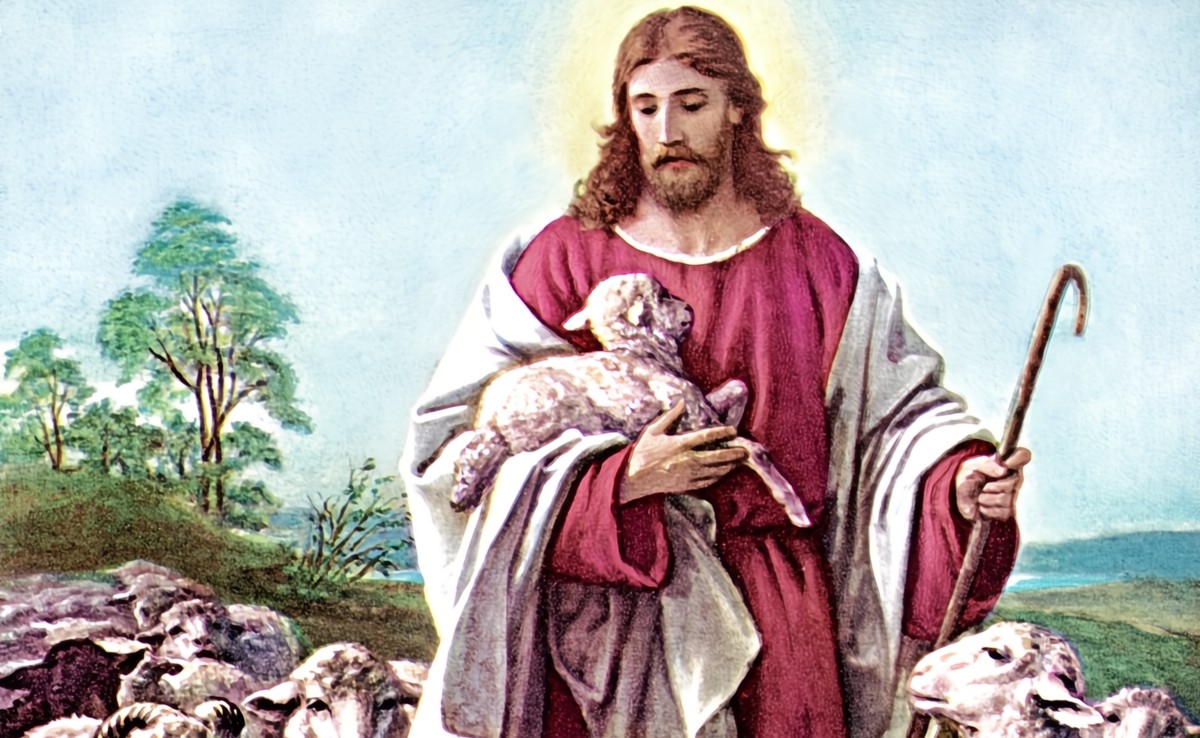
Archaeologists working at the Hisardere Necropolis in İznik, the ancient city of Nicaea, uncovered the colorful painting on the north wall of an underground chamber tomb. The artwork depicts Jesus as a youthful, beardless figure walking through a field with goats, a simple tunic on His back and a goat draped across His shoulders. According to the Daily Mail report, experts say the image “confirms that early Christians were using the same imagery and titles for Jesus found in the New Testament,” especially the Good Shepherd motif referenced in John 10:11: “I am the good shepherd.”
An Urgent Message from Sister Sara – Please Watch
Turkish officials described the find as exceptional, noting, according to the report, that it is “the only known early Christian-era example of its kind outside Italy.”
A Testament to Faith During Christianity’s Earliest Centuries
The Hisardere Necropolis—one of the region’s largest ancient burial grounds—dates from the second to the fifth centuries AD and contains a remarkable variety of burial types. The newly uncovered fresco was found behind a raised burial platform lined with terracotta slabs, its colors and details still intact despite the passage of nearly 1,700 years.
What makes this tomb especially significant is its human imagery, which scholars say is rare in the region’s funerary art. The west wall portrays a married couple dressed as aristocrats, their attire signaling social dignity. Next to them, a symposium scene—an image of an eternal banquet—appears to preserve pre-Christian artistic conventions. Yet within the same sacred space, the Good Shepherd stands as a clear sign of Christian hope.
Experts cited by Middle East Eye told the Daily Mail that this Good Shepherd image represents “a transition from pagan to Christian beliefs,” capturing a moment when believers expressed their faith subtly in a cultural landscape still shaped by ancient Roman traditions.
The Good Shepherd: A Symbol Older Than the Cross in Christian Art
Before the cross emerged as the defining emblem of Christianity, early believers leaned heavily on the Good Shepherd image to express the heart of the Gospel. According to the Daily Mail report, portraying Jesus with a sheep across His shoulders communicated “themes of protection, salvation and divine guidance,” discreetly affirming Christian identity during times when explicit religious symbols were uncommon or unsafe.
Anatolia: A Cradle of Christianity
The discovery further underscores the rich Christian heritage of Anatolia, a region that served as a crossroads of civilizations and later became a center of apostolic activity. The Daily Mail notes that Turkey “has produced a treasure trove of religious artifacts, as it was the cradle of early Christianity,” and that some of the Apostles “traveled to the region… built churches and ministered to the locals.”
Nicaea itself is among the most important cities in Church history. It was here that the First Council of Nicaea was held in 325 AD, defining foundational doctrines including the divinity of Christ.
A Significant Contribution to Christian Archaeology
Archaeologists believe the newly discovered fresco may reshape scholarly understanding of early Christian iconography and burial practices. According to the Daily Mail, researchers hope ongoing excavations at the site “may yield additional frescoes, inscriptions or artifacts,” offering further insight into the multicultural and religious history of ancient Nicaea.
For Christians today, the fresco serves as a striking reminder that from the Church’s earliest centuries, believers sought to proclaim Christ as the Shepherd who guides His people to life—often quietly, courageously, and with profound artistic beauty.
Your support brings the truth to the world.
Catholic Online News exists because of donors like you. We are 100% funded by people who believe the world deserves real, uncensored news rooted in faith and truth — not corporate agendas. Your gift ensures millions can continue to access the news they can trust — stories that defend life, faith, family, and freedom.
When truth is silenced, your support speaks louder.