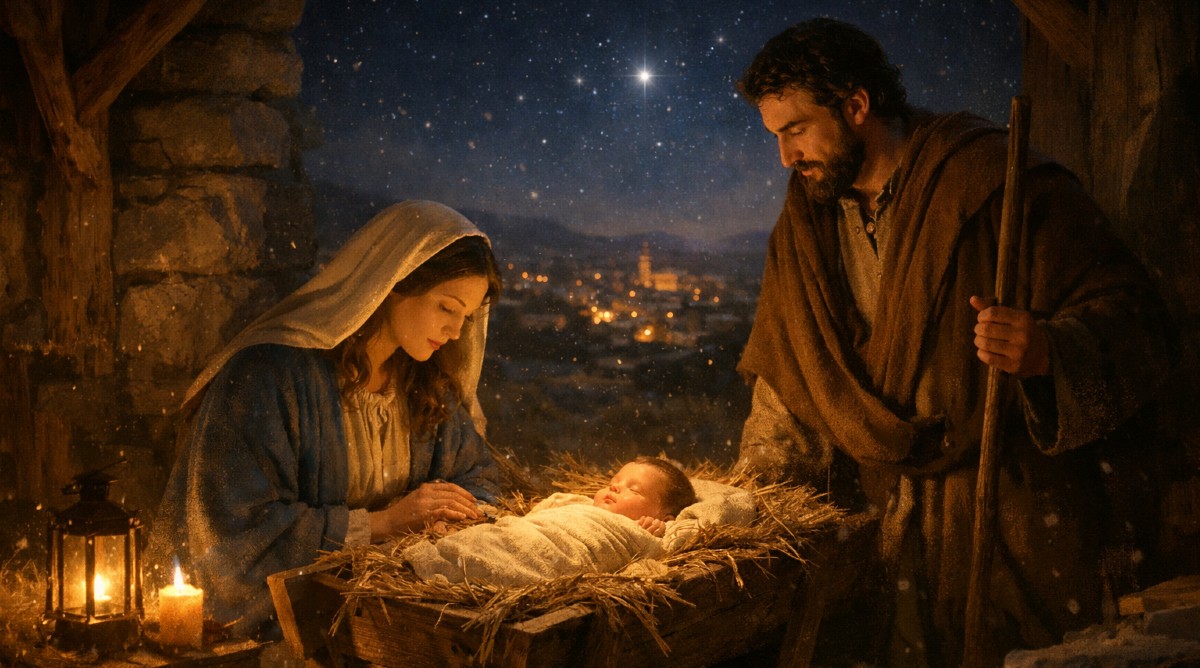

The Nativity of the Lord celebrates the birth of Jesus Christ, the Son of God, in Bethlehem. For Catholics, this sacred event is not merely a historical moment, but the profound mystery in which God enters human history, taking on flesh for the salvation of the world. The Nativity stands at the very heart of the Christian faith, revealing God’s love, humility, and desire to dwell among His people.
The Fulfillment of God’s Promise
From the beginning, God promised a Savior. The prophets of the Old Testament foretold the coming of the Messiah, one who would bring light to those in darkness and peace to the world. In the Nativity, these promises are fulfilled. As proclaimed in the Gospel of Luke, Jesus is born in the city of David, affirming His identity as the long-awaited King and Redeemer.
For Catholics, the birth of Christ confirms God’s faithfulness. What was promised through Abraham, David, and the prophets finds its completion in a humble child laid in a manger.
The Humility of God Made Flesh
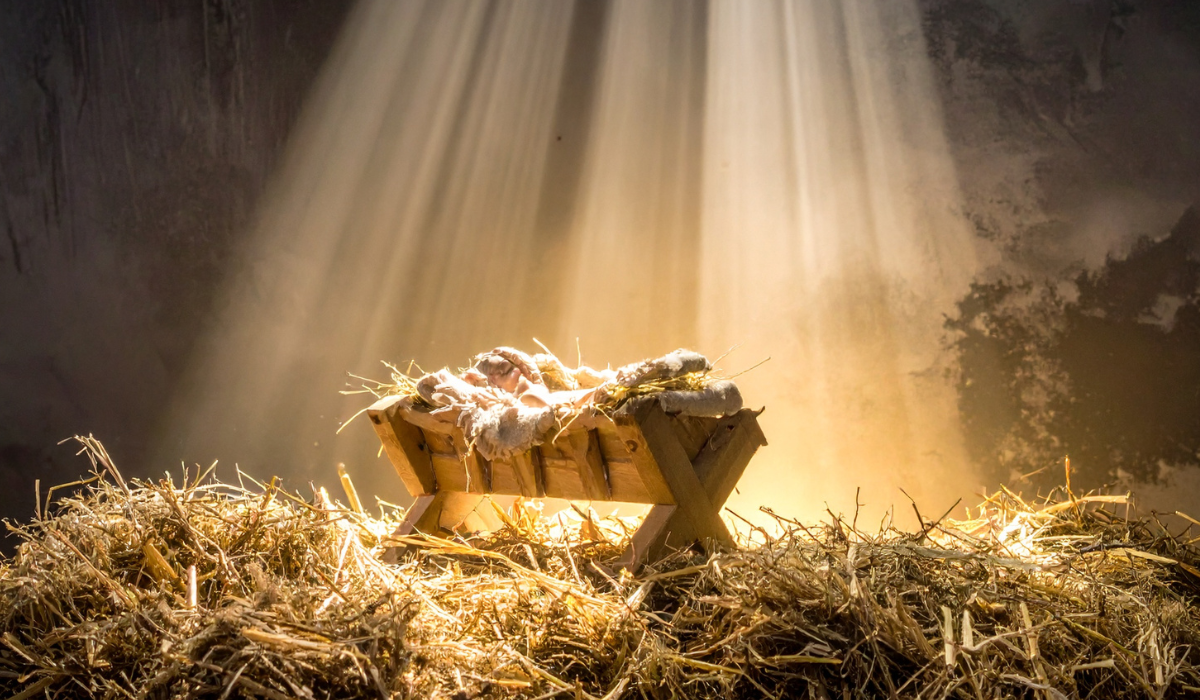
One of the most striking aspects of the Nativity is its humility. Jesus is not born in a palace, but in a stable. Mary and Joseph, obedient servants of God, welcome Him into the world amid poverty and simplicity. This reveals a central Catholic truth that God chooses humility over power, love over glory, and service over domination.
The Catechism of the Catholic Church teaches that the Son of God became man so that we might become God by grace. In the manger, Catholics see a God who lowers Himself to raise humanity up.
Mary and Joseph: Models of Faith
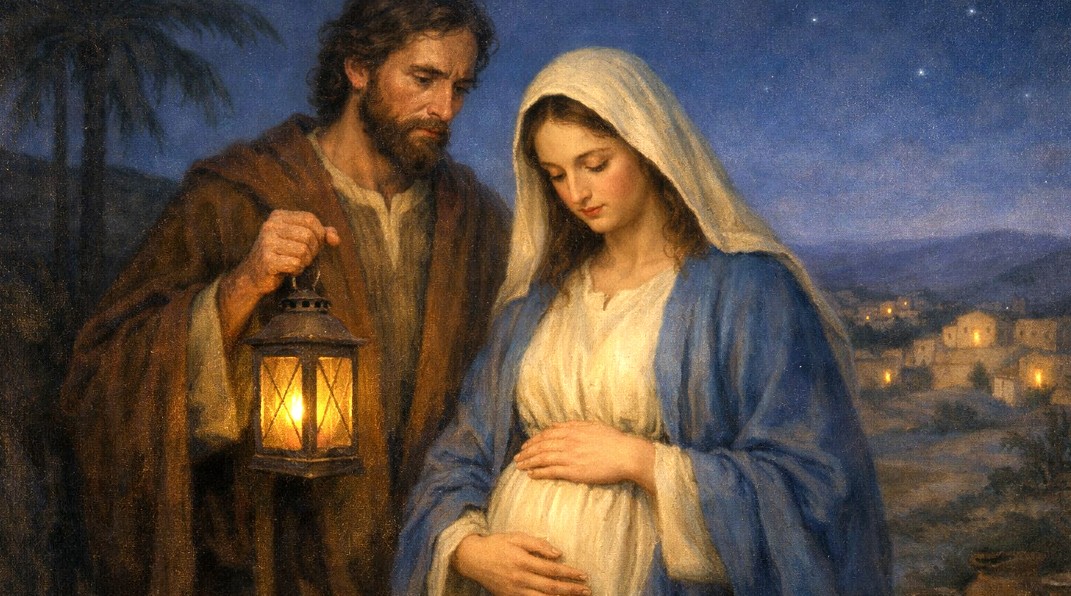
Mary, the Immaculate Mother of God, plays a central role in the Nativity. Her yes to God makes the Incarnation possible. Catholics honor her as Theotokos, the Mother of God, who brings Christ into the world with perfect trust and obedience.
Saint Joseph, though silent in Scripture, is a powerful figure of faith and protection. He accepts God’s will without hesitation and safeguards both Mary and the Child Jesus. Together, Mary and Joseph form the Holy Family, a model for all Christian families.
The Shepherds and the Universality of Salvation
The first to receive the announcement of Christ’s birth are shepherds, simple and ordinary people. This detail is deeply meaningful in Catholic theology. It shows that salvation is offered to all, especially the humble and the poor.
The angels’ proclamation, “Glory to God in the highest and on earth peace to those on whom his favor rests,” captures the essence of the Nativity. Christ’s birth marks the beginning of God’s plan to restore humanity to Himself.
The Significance of the Nativity as a Feast Day in the Catholic Church
The Nativity of the Lord, celebrated on December 25, is one of the most important feast days in the Catholic Church. Commonly known as Christmas, it is a solemnity and a Holy Day of Obligation, which means Catholics are required to attend Mass unless seriously impeded. This obligation reflects the central importance of Christ’s birth in the life of the Church and in the salvation of humanity.
As a solemn feast, the Nativity celebrates not only the birth of Jesus, but the mystery of the Incarnation, the moment when the eternal Son of God assumed human nature. This feast proclaims that God is not distant or removed from human suffering, but enters fully into human life. The Church rejoices because the coming of Christ brings hope, redemption, and the promise of eternal life.
The Catholic Church celebrates several distinct Masses for Christmas, including the Vigil Mass, Mass during the Night, Mass at Dawn, and Mass during the Day. Each liturgy highlights a different dimension of the Nativity and invites the faithful to reflect more deeply on the mystery of Christ coming into the world.
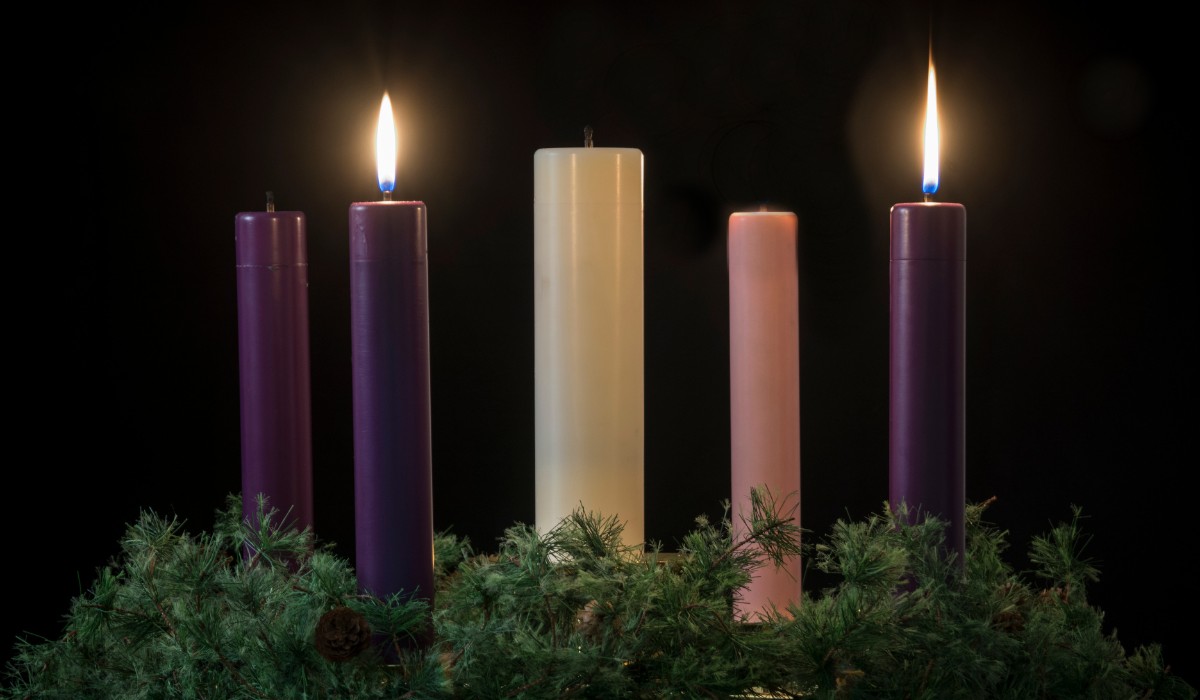
The Nativity also inaugurates the Christmas Season, which continues until the Feast of the Baptism of the Lord. During this sacred time, Catholics are called to live out the joy of the feast through prayer, acts of charity, reconciliation, and renewed commitment to following Christ.
The Incarnation and the Eucharist
For Catholics, the Nativity is inseparable from the mystery of the Incarnation, God becoming man. This same mystery continues in the Eucharist, where Christ remains truly present with His Church. Just as Jesus was laid in a manger, a feeding trough, He now nourishes the faithful with His own Body and Blood.
In this way, the feast of the Nativity draws Catholics more deeply into the sacramental life of the Church, especially through participation in the Mass.
A Call to Joy, Peace, and Conversion
The Nativity of the Lord calls Catholics to joy, peace, and conversion of heart. Christ enters the world as light in darkness, inviting all people to turn toward Him and to live in love, humility, and mercy.
At Christmas, Catholics are reminded that God is Emmanuel, God with us, born to save, to heal, and to lead humanity back to the Father.
The Nativity of the Lord is the sacred beginning of humanity’s redemption and one of the most significant feast days in the Catholic Church. Celebrated with great solemnity and joy, it draws the faithful into the mystery of God’s love made visible in Jesus Christ. From the quiet of Bethlehem shines the glory of God, revealed in a child who is both fully human and fully divine. The Nativity invites every believer to welcome Christ anew into their heart, their home, and their life.
Your support brings the truth to the world.
Catholic Online News exists because of donors like you. We are 100% funded by people who believe the world deserves real, uncensored news rooted in faith and truth — not corporate agendas. Your gift ensures millions can continue to access the news they can trust — stories that defend life, faith, family, and freedom.
When truth is silenced, your support speaks louder.