
In the final days before Jesus’ birth, the world did not pause. Empires ruled, censuses were ordered, roads filled with travelers. Yet within this ordinary movement of history, something utterly extraordinary unfolded—quietly, humbly, and largely unseen.
The Gospels give us only glimpses of what the Blessed Virgin Mary experienced in those days. Scripture is reverent in its restraint. The Church, guided by Sacred Scripture, Sacred Tradition, and the Magisterium, never indulges in fantasy about Mary—but she does invite us to contemplate her faith. In that space of contemplation, we can reverently consider what Mary, full of grace, may have been living interiorly as the hour of salvation drew near.
A Body Waiting, a Soul Listening
Mary was young. She was very much human. The Church affirms that she truly conceived, carried, and would give birth to Jesus Christ, true God and true man. In the final weeks of pregnancy, her body would have felt heavy and tired. Sleep may not have come easily. Travel—especially the journey to Bethlehem—would have been difficult and uncomfortable.
Yet Mary’s life was never centered on herself. The Gospel of Luke tells us she “kept all these things, reflecting on them in her heart” (Luke 2:19). This interior posture did not begin at the manger; it marked her entire journey. Even as her body waited, her soul listened.
She had already said yes—not only at the Annunciation, but every day afterward. Her fiat was not a single moment; it was a way of life.
Remembering the Promises of God
Mary knew the Scriptures. She knew the promises made to Israel: the promise to Abraham, the covenant with David, the words of the prophets who spoke of a Savior to come. She did not understand everything—no human could—but she trusted the One who does.
As she waited for the birth of her Son, she may have recalled Isaiah’s words about a virgin conceiving, Micah’s prophecy of a ruler coming from Bethlehem, and the ancient hope of a Messiah who would shepherd God’s people. These were not abstract ideas to her. They were alive within her—literally.
The Catechism teaches that Mary’s faith was tested and purified, especially as she moved closer to the Cross that would one day pierce her heart. Even before Calvary, her motherhood carried mystery and sacrifice.
Silence, Poverty, and Trust
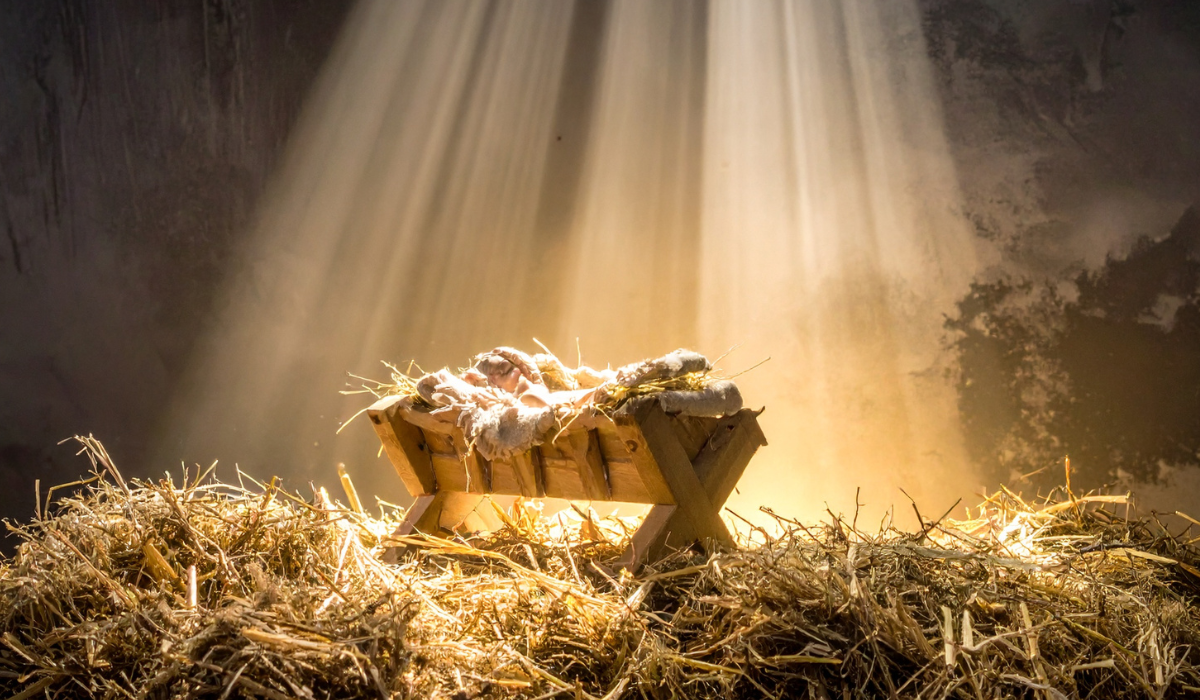
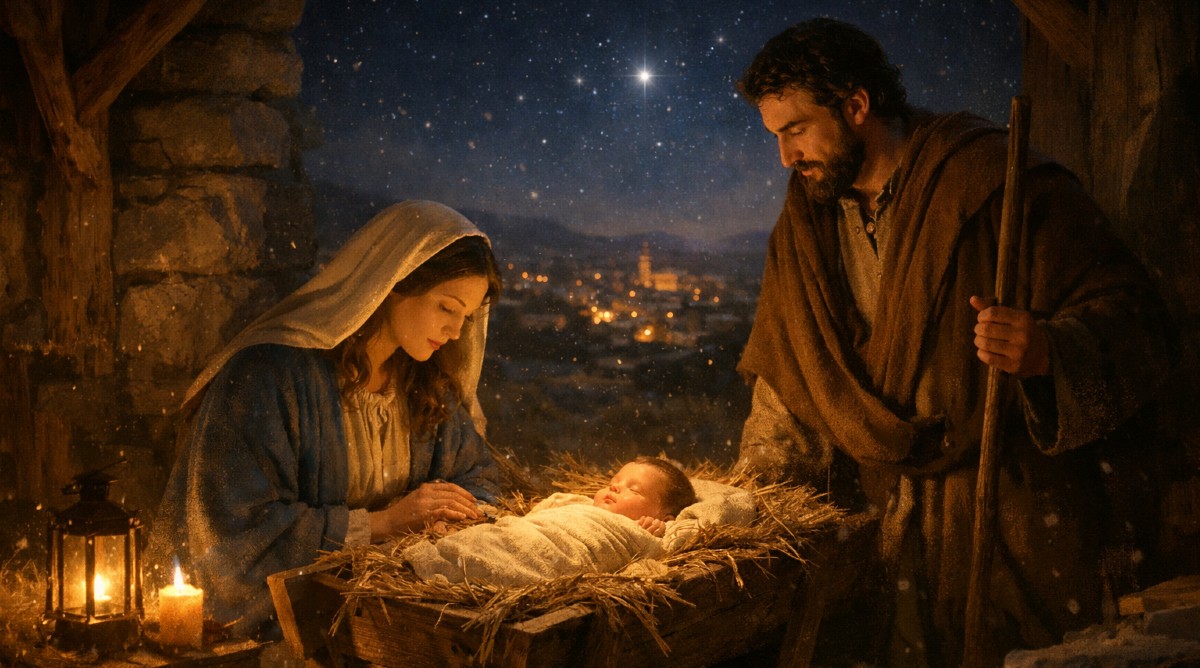
The Holy Family did not prepare for Jesus’ birth with comfort or celebration. There was no room at the inn. No cradle waited. No crowd gathered. God chose obscurity.
Mary accepted this poverty without complaint. She had already sung the Magnificat, praising God who “has looked upon the lowliness of his servant.” Now she lived those words. The Queen of Heaven prepared to give birth not in a palace, but in borrowed shelter.
This is not incidental. The Church teaches that Christ’s humility begins at His birth—and Mary freely cooperated in that plan. Her trust was not rooted in circumstances, but in God Himself.
A Mother Who Believed
In the final days before Jesus’ birth, Mary stood at the threshold of salvation history. She was about to behold the face of God made flesh—the same God she had worshiped her entire life.
She did not rush the moment. She did not demand explanations. She waited. She believed. She loved.
Mary teaches the Church how to wait for Christ: with faith, humility, silence, and total trust in God’s promises. As we approach Christmas, her example reminds us that the greatest mysteries often unfold quietly, in hearts willing to receive them.
The world was about to meet its Savior.
Mary had already given Him everything.
Your support brings the truth to the world.
Catholic Online News exists because of donors like you. We are 100% funded by people who believe the world deserves real, uncensored news rooted in faith and truth — not corporate agendas. Your gift ensures millions can continue to access the news they can trust — stories that defend life, faith, family, and freedom.
When truth is silenced, your support speaks louder.