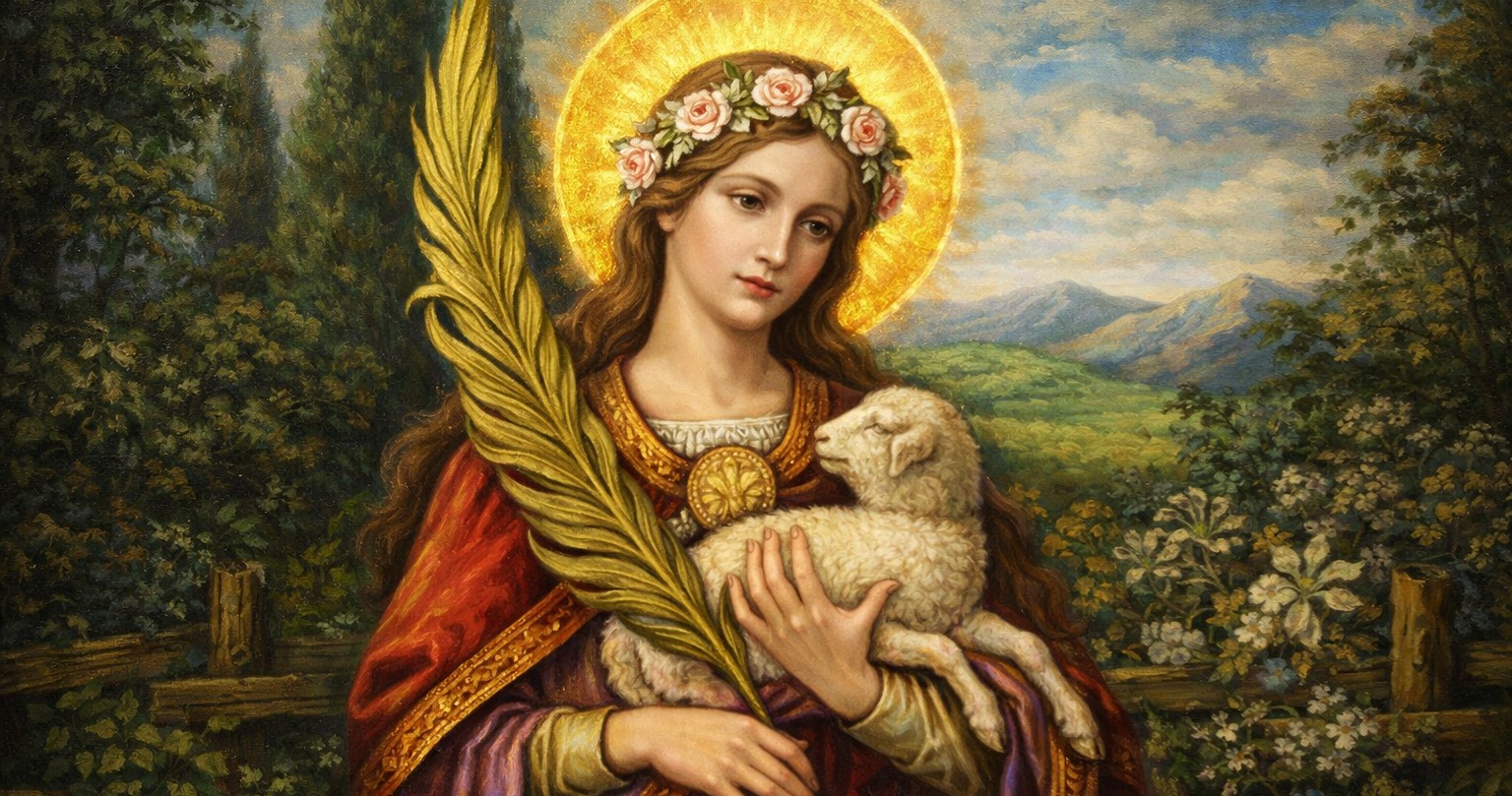


Twenty years after his death, St. Carlo Acutis continues to inspire Catholics around the world with his extraordinary devotion to the Eucharist, his embrace of modern technology, and his unwavering love for Jesus Christ.
October 12, 2026, marked two decades since the Italian teenager died of leukemia at just 15 years old. Although his earthly life was brief, his spiritual legacy has reached across generations and become closely connected to four successive popes, from St. John Paul II to Pope Leo XIV.
According to EWTN News, each of these pontificates played a significant role in Carlo’s life, his journey toward sainthood, or the Church’s recognition of his enduring example of holiness.
Today, the young saint stands as a powerful reminder that holiness is not reserved for the elderly, the clergy, or those living extraordinary lives. Even a teenager navigating the challenges of the modern world can become a witness to Christ.
A Young Boy’s Encounter with the Church Under St. John Paul II
Carlo Acutis was born in 1991, during the pontificate of St. John Paul II, whose leadership helped shape the Catholic Church’s approach to young people at the beginning of the new millennium.
Carlo’s early spiritual formation was influenced by his Polish nanny, whose devotion to John Paul II helped nurture his growing Catholic faith.
One particularly meaningful experience came in October 2000, when Carlo, then just nine years old, traveled with his family to Rome during the Great Jubilee.
According to EWTN News, Carlo was present in St. Peter’s Square when John Paul II entrusted the new millennium to the Immaculate Heart of Mary.
Surrounded by pilgrims gathered in prayer, the young Carlo witnessed an extraordinary expression of the universal Church’s devotion to the Blessed Virgin Mary.
During the ceremony, John Paul II prayed:
“The Church today, through the voice of the successor of Peter, in union with so many pastors assembled here from every corner of the world, seeks refuge in your motherly protection and trustingly begs your intercession as she faces the challenges which lie hidden in the future.”
The moment connected Carlo’s childhood faith with one of the defining spiritual events of John Paul II’s pontificate.
His Final Sacrifice for Pope Benedict XVI and the Church
Carlo’s connection to the papacy continued when Cardinal Joseph Ratzinger was elected Pope Benedict XVI in April 2005.
The teenager, then 13 years old, followed the election with great interest.
According to EWTN News, Carlo’s mother recalled that her son was “fascinated” by the new pontiff.
Just one year later, Carlo’s life took a devastating turn when he was diagnosed with leukemia.
Rather than allowing his illness to separate him from his faith, Carlo embraced his suffering with a remarkable sense of spiritual purpose.
Before his death in October 2006, he offered his suffering to God for Pope Benedict XVI and the Catholic Church.
“I offer all the suffering I will have to endure to the Lord for the pope and for the Church, in order not to go through purgatory and to go straight to heaven,” Carlo said, according to EWTN News.
His words reflected a deeply Catholic understanding of redemptive suffering and the spiritual value of uniting personal trials with the sacrifice of Jesus Christ.
For a teenager facing a terminal illness, Carlo demonstrated extraordinary concern for the Church and its shepherd.
Pope Francis Recognizes a Saint for the Digital Generation
More than a decade after Carlo’s death, his cause for sainthood advanced significantly under Pope Francis.
In 2018, Francis recognized Carlo’s heroic virtue, an important step in the Church’s process of formally recognizing sainthood.
The pontiff also recognized the two miracles attributed to Carlo’s intercession that opened the way for his beatification and eventual canonization.
Carlo was beatified in 2020, becoming an increasingly prominent example of holiness for young Catholics growing up in a world shaped by technology and social media.
Pope Francis frequently pointed to Carlo’s life as evidence that digital technology, when used wisely, can become a means of evangelization rather than a distraction from faith.
Carlo had used his technological abilities to promote Eucharistic devotion, demonstrating that modern tools could serve an ancient and enduring mission: bringing souls closer to Christ.
In his 2019 apostolic exhortation Christus Vivit, Pope Francis presented Carlo as a model for young people, contrasting his example with the dangers of “self-absorption, isolation, and empty pleasure” in the digital world.
Following Carlo’s beatification, Francis emphasized the spiritual lesson offered by the teenager’s short life.
“His witness indicates to today’s young people that true happiness is found by putting God in first place and serving him in our brothers and sisters, especially the least,” the pope said, according to EWTN News.
Carlo’s canonization had originally been scheduled for April 27, 2025, during a Jubilee celebration expected to bring approximately 80,000 teenagers to Rome.
However, Pope Francis died on April 21, just days before the planned ceremony, leaving Carlo’s canonization to be completed under his successor.
Pope Leo XIV Declares Carlo Acutis a Saint
The final chapter of Carlo’s journey to sainthood unfolded under Pope Leo XIV, who was elected in May 2025.
On September 7, 2025, Pope Leo canonized Carlo Acutis alongside Pier Giorgio Frassati, formally declaring both young men saints of the Catholic Church.
The historic celebration made Carlo the first millennial to be canonized, placing a teenager who had grown up with computers and the internet among the Church’s officially recognized saints.
During his canonization homily, Pope Leo emphasized that the lives of these two young saints offered an urgent message to a generation searching for purpose.
“Dear friends, Sts. Pier Giorgio Frassati and Carlo Acutis are an invitation to all of us, especially young people, not to squander our lives, but to direct them upwards and make them masterpieces,” Pope Leo said.
The pontiff also described their example as the “type of witness we are called to follow, in order to enjoy life to the full and meet the Lord in the feast of heaven.”
For Catholics around the world, Carlo’s canonization represented more than the conclusion of a lengthy ecclesiastical process. It affirmed that the call to sainthood remains just as relevant in the digital age as it was in the earliest centuries of Christianity.
Twenty Years Later, a Message That Still Speaks to the World
The 20th anniversary of St. Carlo Acutis’ death offers Catholics an opportunity to reflect on a life that connected four pontificates through faith, sacrifice, and devotion to the Church.
Under St. John Paul II, Carlo experienced the Church’s universal witness to faith and Marian devotion. Under Benedict XVI, he offered his final suffering for the pope and the Church. Under Francis, his heroic virtue and the miracles attributed to his intercession received official recognition. And under Leo XIV, his journey to sainthood reached its fulfillment.
Yet Carlo’s lasting importance is not simply that his story intersects with the lives of four popes.
It is that he demonstrated how holiness can be pursued in the ordinary circumstances of modern life.
He was a young person who understood technology, loved the Eucharist, cared deeply about the Church, and sought to place God at the center of his existence.
Twenty years after his death, St. Carlo Acutis continues to offer the faithful a message of hope: a life does not have to be long to become a profound witness to Christ.
And for a new generation of Catholics, his example remains an invitation to pursue holiness here and now, whatever their age or circumstances.
Your support brings the truth to the world.
Catholic Online News exists because of donors like you. We are 100% funded by people who believe the world deserves real, uncensored news rooted in faith and truth — not corporate agendas. Your gift ensures millions can continue to access the news they can trust — stories that defend life, faith, family, and freedom.
When truth is silenced, your support speaks louder.