

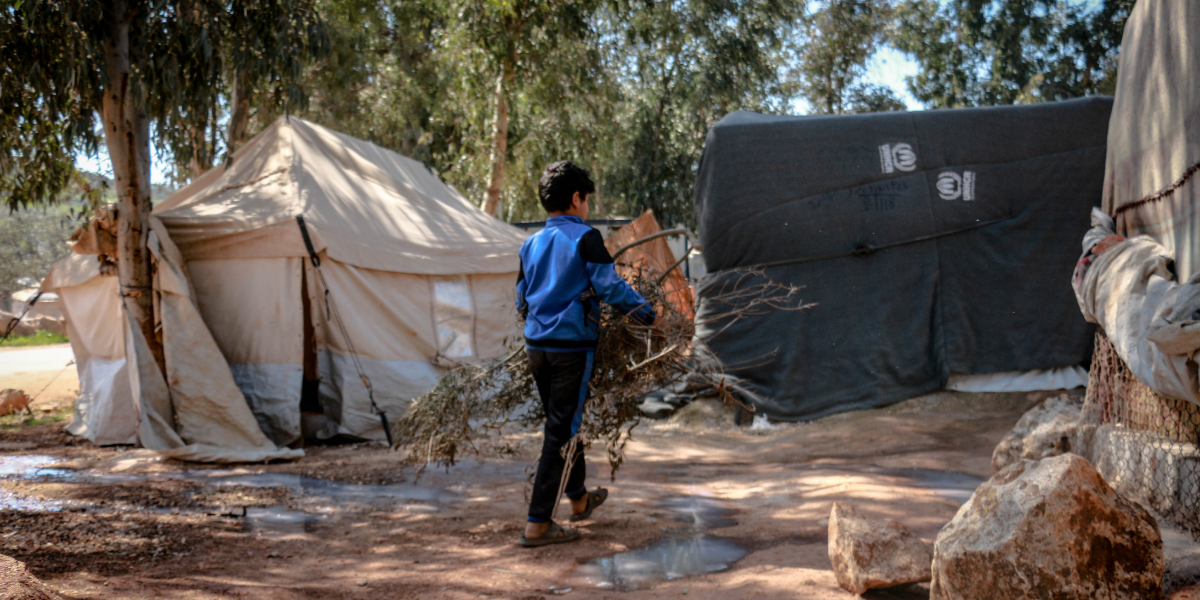
A humanitarian emergency affecting millions of Colombians continues to unfold largely outside the world’s attention, as armed groups force families from their homes and, in many cases, prevent entire communities from leaving the areas where they live.
According to Vatican News, Colombia is facing one of the world’s most overlooked displacement crises, ranking third on the Norwegian Refugee Council’s (NRC) annual list of neglected displacement emergencies. The report highlights situations where widespread human suffering receives limited media coverage, inadequate humanitarian funding, and insufficient international political engagement.
For Catholics, the suffering of displaced families is a reminder of the Church’s enduring call to defend the dignity of every human person, especially those who are poor, vulnerable, and forgotten.
Although Colombia signed a historic peace agreement with the Revolutionary Armed Forces of Colombia (FARC) in 2016, violence has continued in many parts of the country. According to Vatican News, armed groups, criminal organizations, and dissident factions continue competing for control of rural territories, leaving many civilians caught in the middle.
The result has been decades of instability that have forced millions of people from their homes. Many remain internally displaced with little hope of returning safely, while Colombia also continues to host and serve as a transit country for large numbers of Venezuelan migrants and refugees, placing additional strain on local communities and humanitarian resources.
One of the most troubling aspects of the crisis is what humanitarian organizations describe as “forced confinement.”
According to the Norwegian Refugee Council, cited by Vatican News, many rural communities are effectively imprisoned by armed groups that control roads, waterways, and other access points. Rather than fleeing violence, some families are unable to leave at all, cutting them off from food, healthcare, education, and other essential services.
Indigenous peoples and Afro-Colombian communities have been especially affected because many live in regions rich in natural resources or along important trafficking routes that armed groups seek to control.
The humanitarian needs extend well beyond emergency shelter. According to Vatican News, displaced families often require clean water, medical care, psychological support, legal assistance, and long-term protection from further violence. The Norwegian Refugee Council continues to provide education programs, legal aid, emergency relief, and livelihood assistance in several regions, but the organization warns that available resources fall far short of the overwhelming need.
Another major obstacle is the crisis’s relative invisibility on the global stage.
According to Vatican News, more prominent international emergencies often draw humanitarian funding and political attention away from prolonged crises such as Colombia’s. The NRC report notes that “the combination of limited media coverage, insufficient financial support and weak diplomatic engagement contributes to keeping millions of people in conditions of invisibility.”
Geography also makes relief efforts more difficult. Many of the hardest-hit communities are located in remote areas of the Amazon and along Colombia’s Pacific coast, where access is challenging and armed groups frequently control territory. According to Vatican News, these conditions hinder humanitarian operations and even make it difficult to document cases of displacement accurately.
Despite occasional ceasefires and peace negotiations, new struggles for territorial control continue to trigger additional waves of displacement, underscoring how fragile the situation remains.
According to Vatican News, Colombia’s place as the world’s third most neglected displacement crisis represents more than a ranking. It reflects the daily reality of millions of people living in extreme vulnerability while receiving little attention from the international community.
As Catholics continue to pray for peace and justice throughout the world, Colombia’s forgotten humanitarian crisis serves as a reminder that countless families still long for the safety, dignity, and hope that come with lasting peace.
Your support brings the truth to the world.
Catholic Online News exists because of donors like you. We are 100% funded by people who believe the world deserves real, uncensored news rooted in faith and truth — not corporate agendas. Your gift ensures millions can continue to access the news they can trust — stories that defend life, faith, family, and freedom.
When truth is silenced, your support speaks louder.