
As conflict in the Middle East continues to disrupt global trade, a serious and often overlooked consequence is emerging—one that could impact families across the world. A recent report highlights how the war has significantly strained the global fertilizer supply, raising concerns about rising food prices and increasing hunger, especially among the most vulnerable, according to The New York Times.
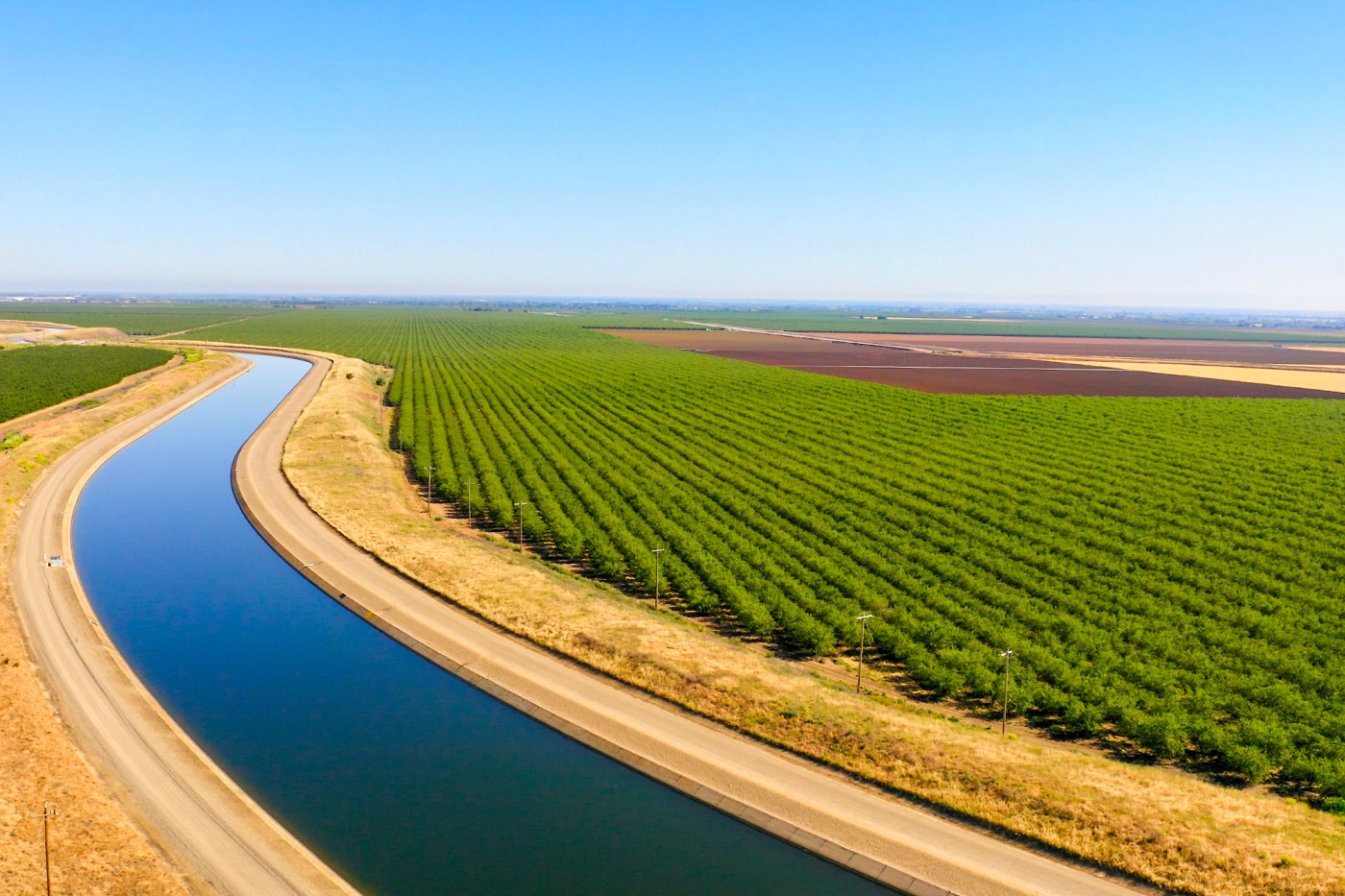
Fertilizer, essential for growing crops, relies heavily on natural gas for production. With key supply routes disrupted—particularly through the Strait of Hormuz—shipments have stalled and production has slowed in several countries. These challenges are not just economic; they raise moral questions about food security and care for the poor, a central concern in Catholic social teaching.
Deepika Thapliyal, a fertilizer specialist, said the loss of supply has caused a “very big jump” in prices, with global consequences for farmers and consumers, according to The New York Times. Farmers in major agricultural regions, including the United States and Brazil, now face higher costs that may ultimately be passed on to families at the grocery store.
Our Important Lenten Message – Please Watch
“It’s inevitable that food prices will go up,” she said, according to The New York Times.
For Catholics, this growing crisis reflects the Church’s teaching on the dignity of every person and the responsibility to care for those most in need. Rising food prices disproportionately affect the poor, placing additional strain on families already struggling to make ends meet.
The World Trade Organization has also warned of the dangers ahead. Its director-general, Ngozi Okonjo-Iweala, said the conflict has “destabilized trade in energy, fertilizer and food” at a time of existing global tension, according to The New York Times.
“It is no secret that the world trading system is experiencing the worst disruptions in the past 80 years,” she added, according to The New York Times.
Beyond agriculture, the disruptions are affecting global supply chains more broadly. Experts report “spiraling delays across supply chains,” along with rising transportation and insurance costs, according to The New York Times. These impacts extend to industries such as medicine, manufacturing, and technology.
Still, the most urgent concern remains food. Without adequate fertilizer, crop yields decline, leading to shortages and higher prices. In parts of Asia and other vulnerable regions, this could translate into real hunger for millions.
This crisis serves as a reminder of the deep interconnectedness of the human family. As the Church teaches, peace is not only the absence of war but the presence of justice and care for all. In this moment, Catholics are called to pray for peace, support those in need, and remain attentive to the suffering that may grow in the wake of this global disruption.
Your support brings the truth to the world.
Catholic Online News exists because of donors like you. We are 100% funded by people who believe the world deserves real, uncensored news rooted in faith and truth — not corporate agendas. Your gift ensures millions can continue to access the news they can trust — stories that defend life, faith, family, and freedom.
When truth is silenced, your support speaks louder.