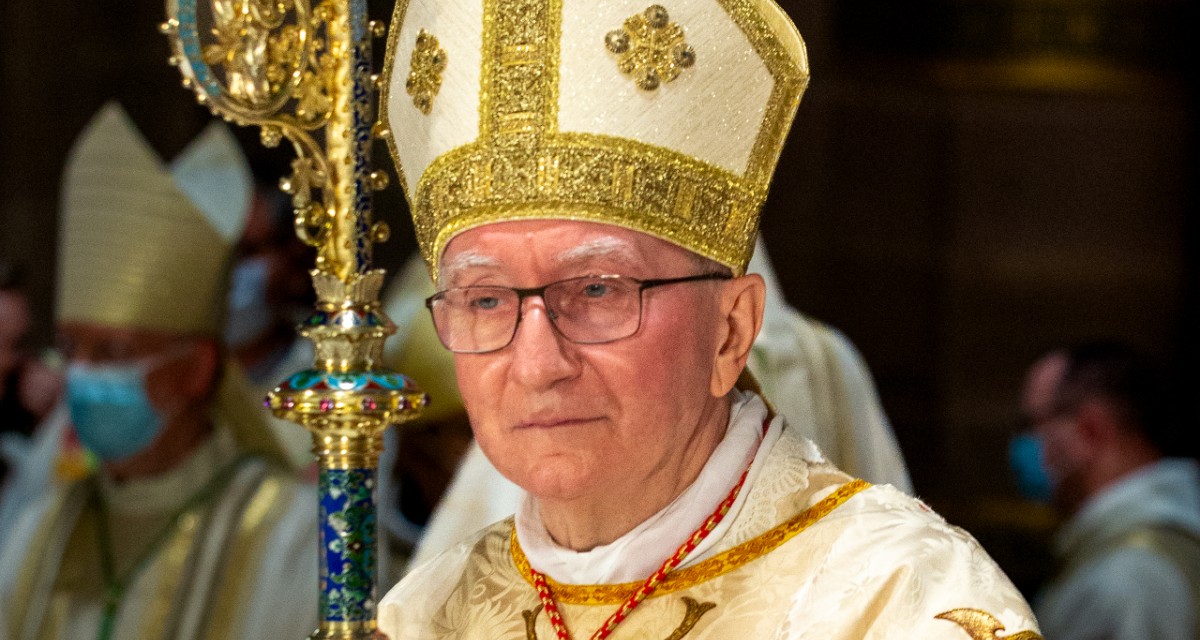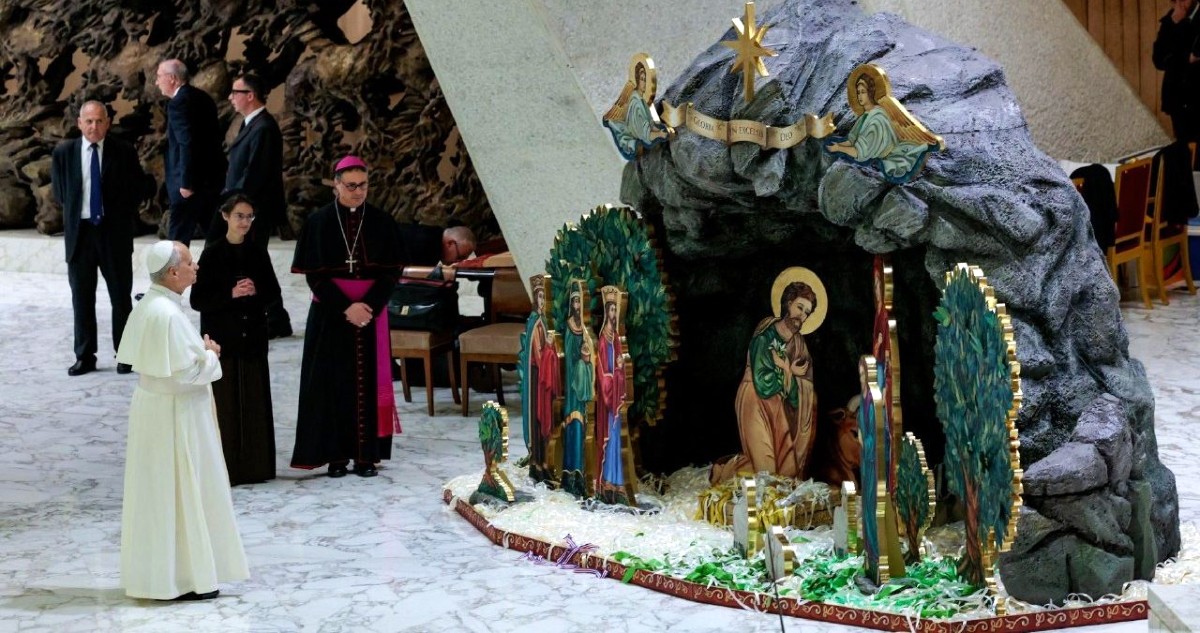

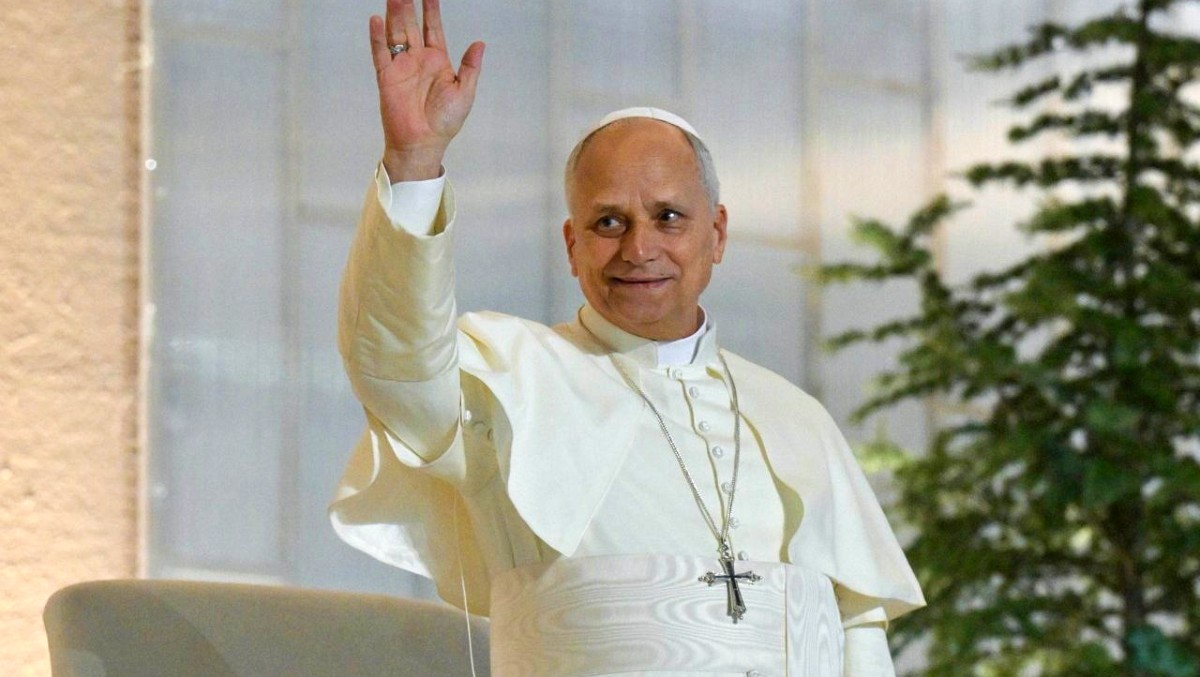
Pope Leo XIV will undertake three significant Apostolic Journeys in the first half of 2026, traveling to Africa, Monaco, and Spain in visits that underscore the Church’s commitment to peace, evangelization, and solidarity with both suffering and secularized societies.
According to Vatican News, the Holy See Press Office announced that the Holy Father will begin with a one-day visit to the Principality of Monaco on March 28, followed by a ten-day journey to Africa from April 13 to 23, and then a six-day visit to Spain, including the Canary Islands, from June 6 to 12. These trips follow his recent travels to Türkiye and Lebanon at the end of 2025 and signal what Vatican News described as a resumption of his “pilgrimages throughout the world.”
The longest and most complex journey will take Pope Leo to four African nations: Algeria, Cameroon, Angola, and Equatorial Guinea. In Algeria, he will visit Algiers and Annaba, retracing the spiritual heritage of Saint Augustine. Vatican News describes this portion of the trip as “a journey in memory of the saint of Hippo,” noting that it is connected in a particular way to the Successor of Peter.
Our Important Lenten Message – Please Watch
From Algeria, the Pope will travel to Cameroon, including Yaoundé, Bamenda, and Douala. His itinerary notably includes the Anglophone region in the north of the country, where, as Vatican News reports, “for ten years a civil war has been underway involving the regular armed forces and the separatists.” The source states that the journey “will be focused on peace,” highlighting the Holy Father’s pastoral concern for regions wounded by violence.
The African visit will then continue to Angola, with stops in Luanda, Muxima, and Saurimo, before concluding in Equatorial Guinea, where he will visit Malabo, Mongomo, and Bata. Vatican News points out that Equatorial Guinea is “the only Spanish-speaking African country,” emphasizing the unique character of this final leg of the trip.
In describing the broader meaning of the African journey, Vatican News explains that Pope Leo will move from “Algeria, a Muslim nation where Christians are a small minority and a seed of fraternity,” to countries with a Christian majority in “the heart of the African Continent,” marked by “their challenges” but also “their joyful testimony of faith.” The visit will bring the Holy Father into direct contact with both fragile minority communities and vibrant local Churches striving to live the Gospel amid social and economic hardship.
Before departing for Africa, the Pope will make a brief but historic visit to Monaco on March 28, just days before Holy Week. According to Vatican News, he “desired to respond positively to the repeated invitations made by the Monegasque authorities.” Monaco, where Catholicism is the State religion, has never welcomed a Pope in the modern era. Vatican News notes that in the Principality, “dialogue between civil institutions and the Church remains a matter of concrete importance in the public debate,” and highlights its commitment to peace.
In June, Pope Leo will turn his attention to Spain. He will begin in Madrid before traveling to Barcelona, where he will inaugurate the newest and tallest tower of the Sagrada Familia. The visit coincides with the 100th anniversary of the death of Antoni Gaudí, the architect who envisioned and began constructing the basilica. Gaudí, declared a Venerable Servant of God last year, remains a powerful example of faith expressed through artistic genius and sacrifice.
The Pope will conclude his Spanish journey in the Canary Islands, visiting Tenerife and Gran Canaria. According to Vatican News, this leg of the trip was “already in the heart of the late Pope Francis,” underscoring the Church’s concern for the region, which serves as one of the principal migratory routes from Africa to Europe, with tens of thousands arriving each year.
Through these varied destinations, Pope Leo XIV will encounter what Vatican News calls “the most diverse types of countries and situations.” From a Muslim-majority nation where Christians are few, to countries shaped by strong Christian traditions, to a European state religion, to a secularizing Spain, the Holy Father’s travels reflect the universal mission of the Church.
For Catholics around the world, these Apostolic Journeys offer a clear sign that the Successor of Peter continues to go out to the peripheries, strengthening the faithful, promoting peace in regions marked by conflict, and proclaiming Christ in societies both ancient in faith and challenged by modern change.
Your support brings the truth to the world.
Catholic Online News exists because of donors like you. We are 100% funded by people who believe the world deserves real, uncensored news rooted in faith and truth — not corporate agendas. Your gift ensures millions can continue to access the news they can trust — stories that defend life, faith, family, and freedom.
When truth is silenced, your support speaks louder.