
For decades, we have been told the system is working.
We were told that if we just funded the right programs, backed the right agencies, expanded the right initiatives, hunger would shrink. Food insecurity would fade. Families would stabilize. Communities would become resilient.
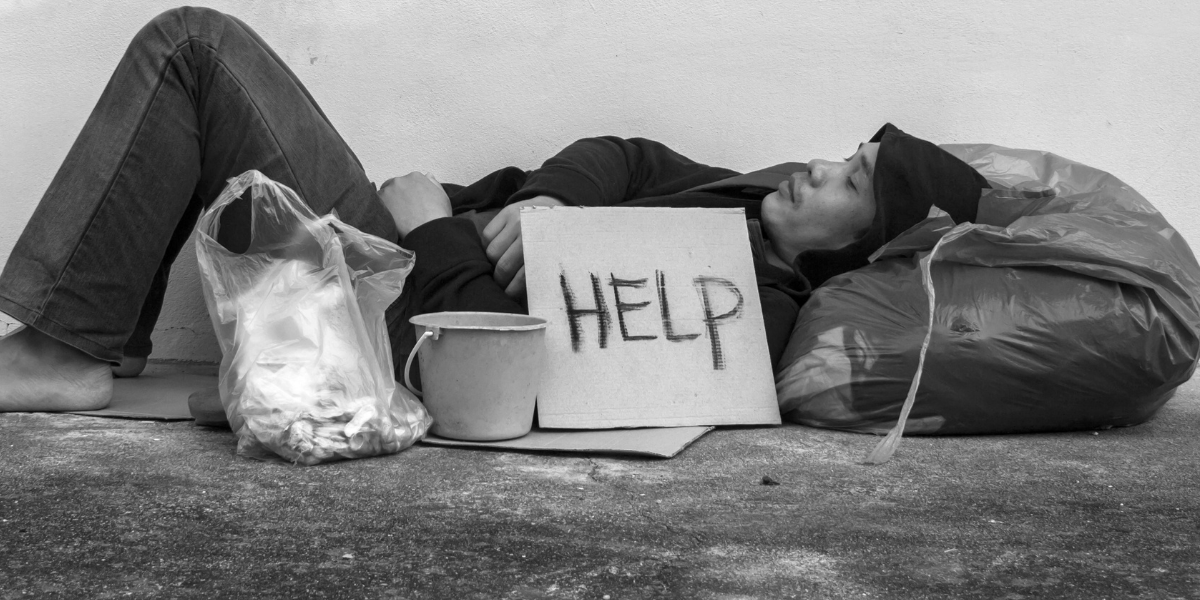
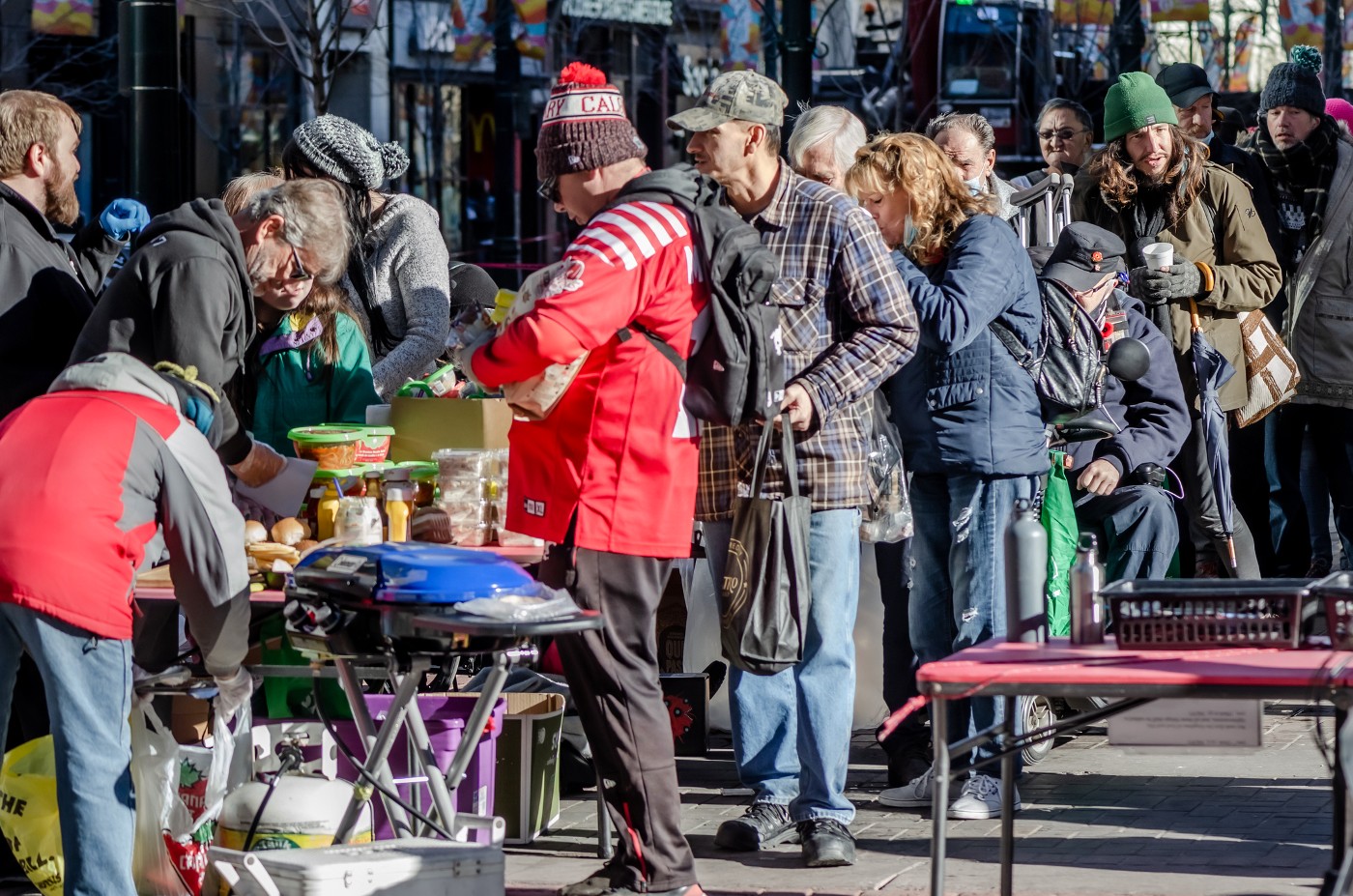
But look around: food lines are still growing. Local food banks distribute staggering volumes month after month, year after year. Families with jobs still can’t reliably afford real food. Seniors are choosing between prescriptions and groceries. Parents are skipping meals so their kids can eat. And in many cities, the “help” has become a permanent industry – expanding budgets, expanding staff, expanding bureaucracy – while the problem refuses to die.
This isn’t just discouraging. It’s indicting.
Because the uncomfortable truth is this: we’ve spent and donated enormous sums over generations and we’re still stuck in the same place. The problem isn’t a lack of goodwill. It’s that the current model is structurally designed to manage poverty, not eliminate it.
The system that profits from never solving the problem
Most modern charity has been forced into one of two lanes:
- Centralized distribution: pallets arrive, paperwork gets filed, people receive bags, the cycle repeats.
- Endless fundraising: emotional stories, emergency appeals, annual banquets, “awareness campaigns,” and overhead-heavy organizations competing for attention.
This is not a condemnation of volunteers. It’s a critique of the architecture.
Because centralized models inevitably produce three toxic outcomes:
- Distance: decisions are made far away from the people and parishes living the reality.
- Dependency: recipients remain recipients; few pathways exist to become providers.
- Fragility: when supply chains break, when prices spike, when a single institution fails, entire communities are exposed.
Meanwhile, a parallel disaster grows: our food itself has been hollowed out. Ultra-processed, chemical-loaded products have replaced real nourishment. “Cheap calories” have become the substitute for health. The poor get the worst food, the worst outcomes, and the least agency – while corporations and institutions upstream keep collecting.
We are living through a crisis of centralization – not just in food, but in power.
What the Church was built to do – and what we forgot
The Church was never meant to outsource mercy.
Christ didn’t build a bureaucracy to feed the hungry. He built a body.
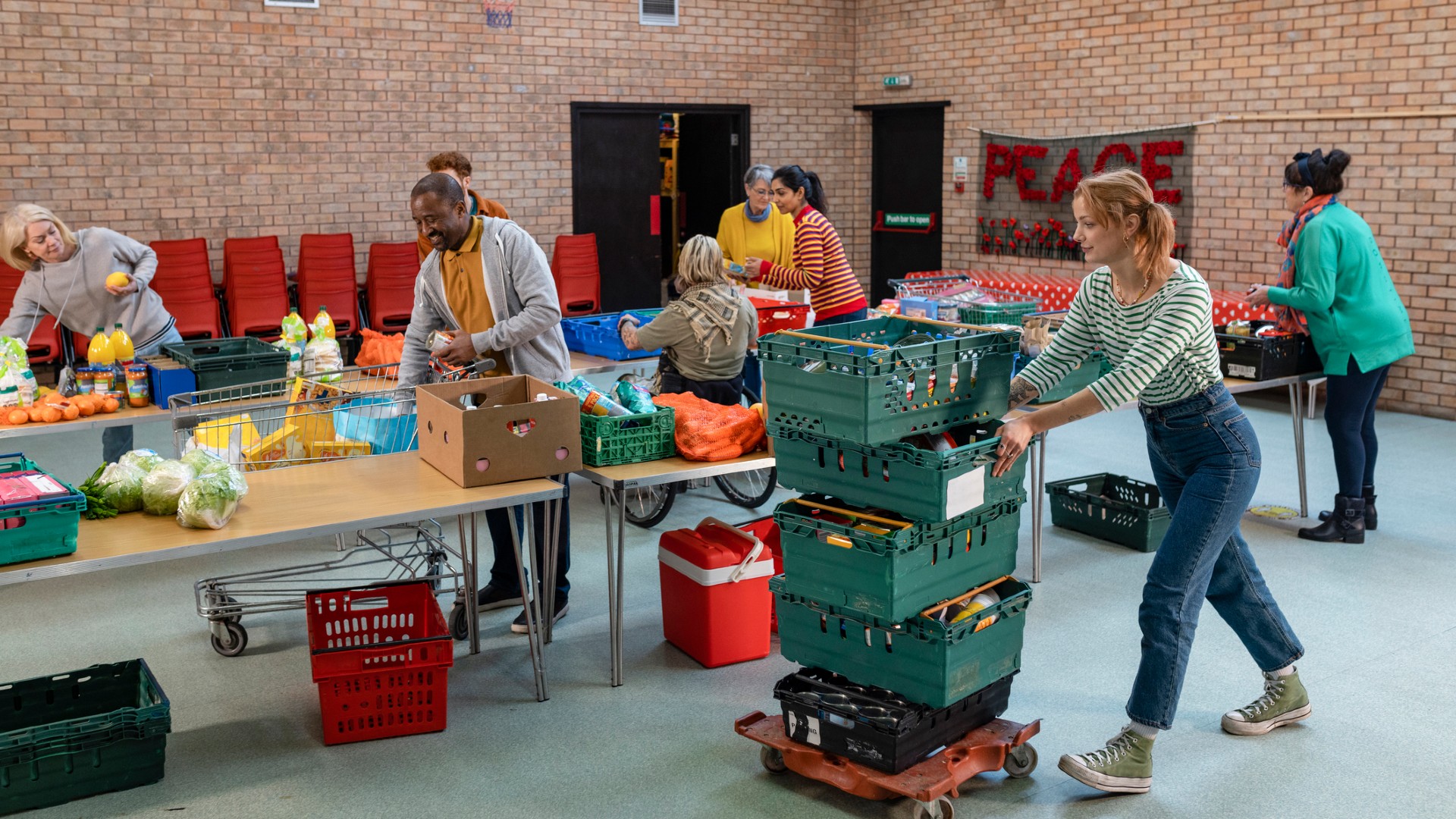
When the crowds were hungry, He didn’t say, “Send them away.” He said, bring what you have. He had them sit down. He distributed the food through human hands. Participation was the miracle.
That is the blueprint: local, dignified, organized, scalable compassion.
This model is not only biblical – it is deeply rooted in Catholic Social Doctrine, particularly the principle of subsidiarity. Subsidiarity teaches that matters ought to be handled by the smallest, lowest, or least centralized competent authority. In plain terms, problems should be solved as close to the people affected as possible, not absorbed upward into distant institutions. When higher structures replace local responsibility instead of supporting it, human dignity erodes and dependency grows. Feeding the poor through empowered parishes and local communities is not a political idea — it is a Catholic one, affirmed repeatedly by the Church’s social teaching as the proper ordering of charity, justice, and human flourishing.
And that is exactly what SHARE Network is designed to restore – not as another charity, but as a new operating system for feeding the poor.
Introducing SHARE Network: the infrastructure the Church has been missing
SHARE Network is a parish-powered, community-rooted system that turns “charity” into local capacity.
It is not a temporary relief effort. It is not a one-time campaign. It is not another centralized program asking people to trust distant institutions.
It is a long-term rebuild of how food help works – designed to be:
- Local-first: parishes and communities become the hub, not the endpoint.
- Decentralized: distribution doesn’t rely on one fragile pipeline.
- Dignity-based: recipients are invited into participation, training, and contribution.
- Practical: not theory – real infrastructure, real logistics, real last-mile delivery.
- Multiplying: the model scales by replication, parish by parish, town by town.
SHARE Network’s core idea is simple but disruptive: instead of feeding people from an institution, we help communities feed people through their own local networks.
That means micro-hubs. Community distribution points. Local sourcing where possible. Partnerships where needed. And most importantly, a pathway for families to move from receiving help to gaining stability – even contributing back.
Why this is bigger than a program
Let’s be honest: calling this “innovative” undersells it.
This is a fundamental shift in how the Church lives the corporal works of mercy in the modern age. It’s a return to a model the Church once embodied at scale: local action, coordinated mission, direct human care – not outsourced compassion.
In that sense, it may be one of the most consequential shifts in centuries: a new, repeatable, parish-driven system for feeding the poor and strengthening families – without dependence on broken pipelines.
Because if the last fifty years have proven anything, it’s this:
If we keep funding the same architecture, we will keep getting the same results.
SHARE Network exists because we refuse to accept permanent hunger as normal. We refuse to accept that the poor must always remain downstream from someone else’s power. And we refuse to accept that the Church’s role is merely to react.
This is not reaction.
This is rebuilding.
And if you believe the Church must once again lead by empowering communities instead of managing decline, now is the moment to act – learn more, share this vision, and donate to help build SHARE Network and restore a truly Catholic model of feeding the poor.