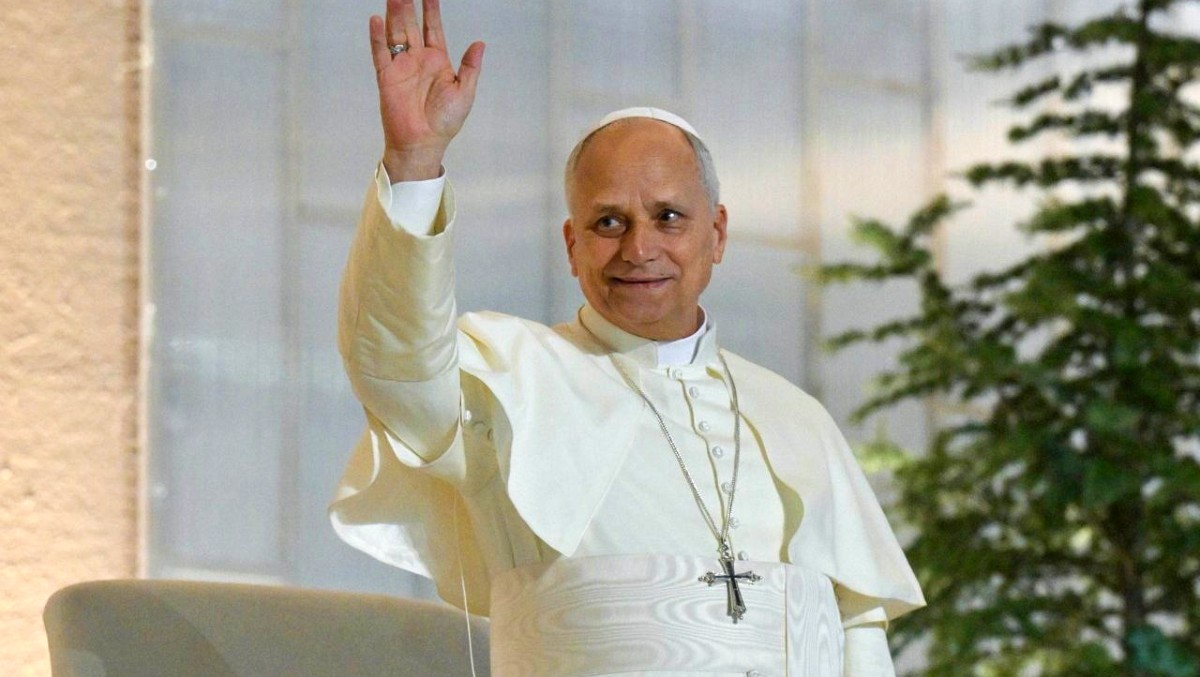

As violence continues to devastate northern Mozambique, Cardinal Pietro Parolin is urging Catholics and the international community not to allow the suffering in Cabo Delgado to fade into silence.
Following his December visit to Mozambique, the Vatican Secretary of State warned that the ongoing Islamist insurgency in the region risks becoming one of the world’s “forgotten conflicts,” even as hundreds of thousands of civilians remain displaced, traumatized, and without basic necessities, according to Vatican News.
An Urgent Message from Sister Sara – Please Watch
Cardinal Parolin traveled to Mozambique from December 5 to 10, marking the 30th anniversary of diplomatic relations between the Holy See and the country, participating in National Youth Day events, and visiting the conflict-ravaged province of Cabo Delgado. Reflecting on the visit, he noted that while political conditions have shifted since Pope Francis’ Apostolic Visit in 2019, the generosity of the Mozambican people remains unchanged.
“What has not changed is the people’s hospitality,” he said, describing it as “the charm of Africa, which strikes one immediately,” according to Vatican News.
Despite a return to calm after post-election unrest, Mozambique continues to face deep instability, particularly in the north. Cardinal Parolin expressed hope that a newly launched process of “inclusive national dialogue” would help strengthen peace and offer hope to young people, who make up the majority of the population.
The most harrowing moments of the Cardinal’s visit came during his time in Cabo Delgado, where jihadist violence linked to Islamist groups has displaced vast numbers of civilians since 2017. According to Vatican News, the Cardinal spent two days in the region “to express the closeness and solidarity of the universal Church and of the Holy Father to a population suffering from jihadist terrorist violence.”
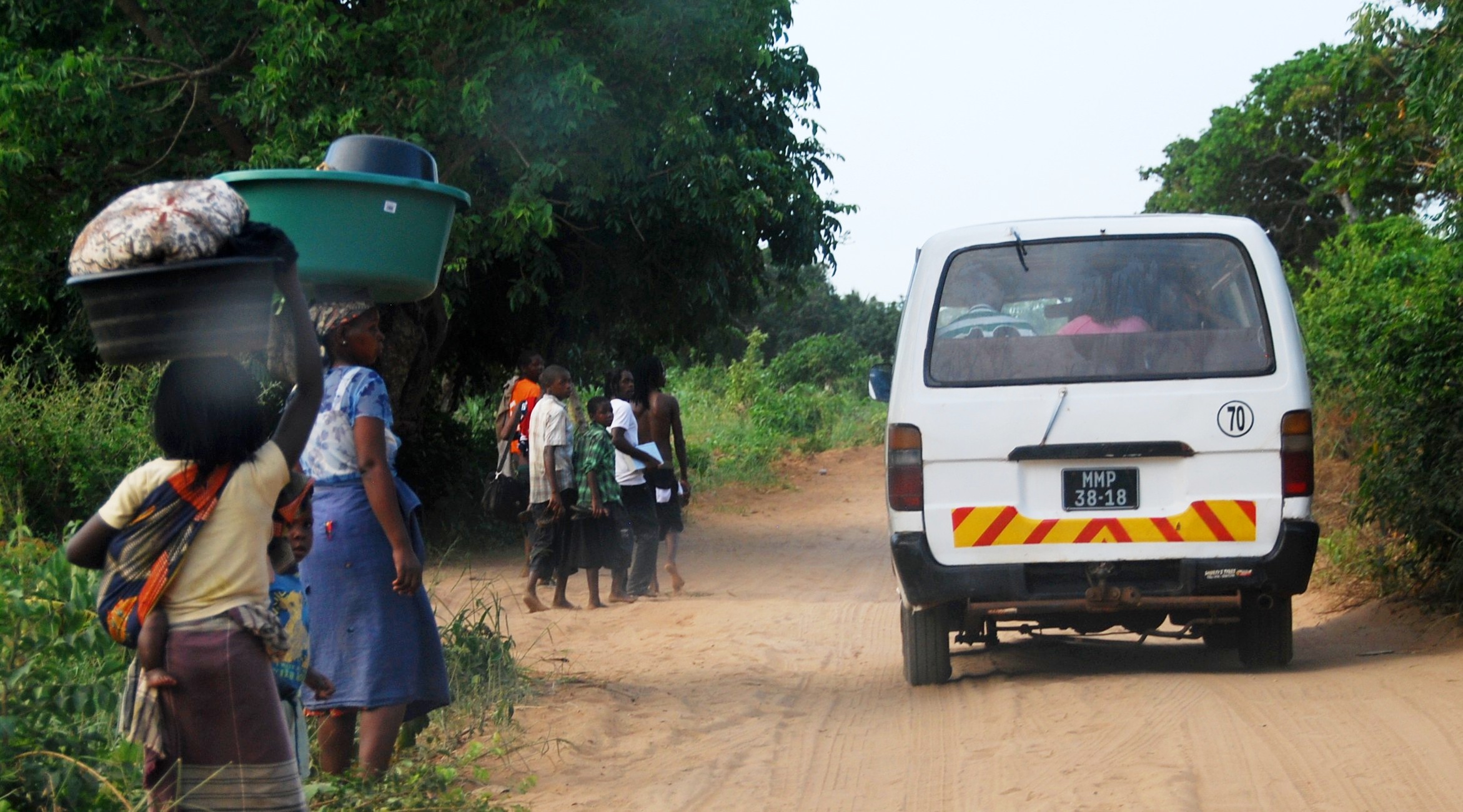
By the end of 2023, the conflict had forced an estimated 765,000 people from their homes. Cardinal Parolin personally visited the Naminawe displacement camp, home to roughly 9,200 people, including nearly 3,700 children.
“They live in truly difficult conditions,” he said, explaining that families face shortages of food, medicine, and even clean drinking water, according to Vatican News. The situation was worsened by Cyclone Chido, which damaged fragile shelters built by displaced families.
The Cardinal warned that children in the camps are at serious risk of losing their future due to lack of access to education, while young people feel trapped without transportation or employment opportunities. “It was a very painful experience,” he said. “So much suffering, so much sadness, and so many unanswered questions emerged from those faces,” according to Vatican News.
Violence has also spread beyond Cabo Delgado into the provinces of Nampula and Niassa, with more than 330,000 people displaced in recent months. Cardinal Parolin acknowledged reports of killings targeting those who refuse to convert to Islam and confirmed that “there have been, and continue to be, episodes involving the killing of Christians,” according to Vatican News.
While the roots of the conflict are complex, he emphasized that religion is being deliberately manipulated. “We cannot forget that religion is unfortunately being abused today by some,” he said, noting that Christians and Muslims historically lived together peacefully in Mozambique, according to Vatican News.
Terrorist groups, particularly Ahlu Sunna Wa Jama, affiliated with the Islamic State, exploit poverty, unemployment, resentment over natural resource exploitation, and social tensions to recruit young people. Although many local Muslims oppose this radicalization, fear now grips Christian communities and moderate Muslims alike.
Amid this suffering, Cardinal Parolin highlighted the extraordinary witness of the local Church. Priests displaced from their parishes continue serving as “displaced shepherds,” while religious communities remain present despite ongoing insecurity. “The local Church has not abandoned the suffering people,” he said, according to Vatican News.
The Church’s humanitarian response includes collaboration with UN agencies and civil organizations to provide food, shelter, and aid. Cardinal Parolin specifically praised the diocesan Caritas of Pemba for its “concrete and efficient service,” according to Vatican News, and pointed to ongoing interreligious efforts to promote peace.
While international military forces have helped restore some security in cities such as Pemba and Palma, Cardinal Parolin warned that global attention is fading. “I have the impression that the conflict in Cabo Delgado also risks falling into the category of ‘forgotten conflicts,’” he said, according to Vatican News.
For Catholics, he stressed that prayer and charity remain powerful responses. Supporting displaced families, he said, is not only an act of solidarity but also a way of living the Christian call during the Christmas season.
“May the Prince of Peace, born in Bethlehem, bring peace to that beloved land of Mozambique,” Cardinal Parolin said, according to Vatican News.
Your support brings the truth to the world.
Catholic Online News exists because of donors like you. We are 100% funded by people who believe the world deserves real, uncensored news rooted in faith and truth — not corporate agendas. Your gift ensures millions can continue to access the news they can trust — stories that defend life, faith, family, and freedom.
When truth is silenced, your support speaks louder.