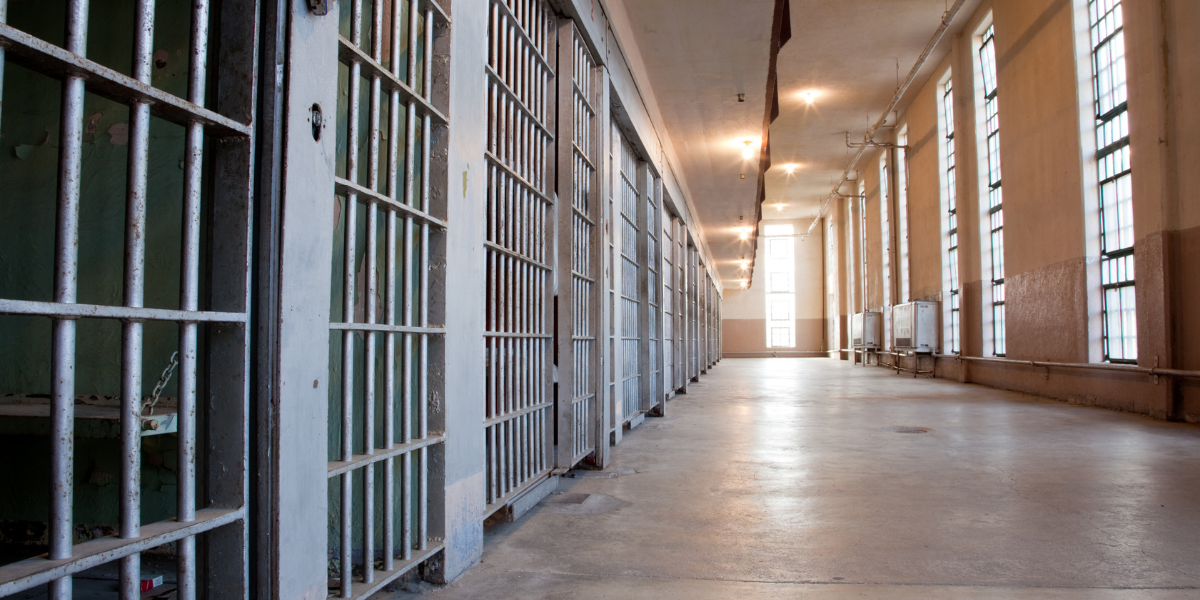
A new national survey suggests that most Catholic voters in the United States continue to support the death penalty for those convicted of murder, even as the Church teaches that capital punishment is “inadmissible” in modern society, according to a poll published by EWTN News and RealClear Opinion Research.
The poll, which questioned 1,000 Catholic voters between Nov. 9 and Nov. 11, found that 55% support the death penalty “for a person convicted of murder,” while 20% oppose it and another 25% remain unsure, according to the report.
An Urgent Message from Sister Sara – Please Watch
Mass attendance played a significant role in shaping responses. Among Catholics who attend Mass weekly, 52% express support, while 26% oppose and 22% are unsure, according to the findings. Among those who attend less often, 57% support the death penalty, only 16% oppose, and **27% remain uncertain.
Although overall support remains high, researchers note a shift over time. A 2024 analysis of the General Social Survey from The Association of Religion Data Archives shows a decline in Catholic support, especially among Catholics who regularly attend Mass, according to Catholic News Agency.
The Church’s current teaching on the matter was clarified in the 2018 revision to the Catechism, which states that “the death penalty is inadmissible because it is an attack on the inviolability and dignity of the person,” according to the Catechism. This represented a development from earlier language that did not exclude capital punishment if it were the “only possible way of effectively defending human lives against the unjust aggressor.”
Sister Helen Prejean, CSJ, who serves on the advisory board for the U.S. Campaign to End the Death Penalty, told CNA that many Catholics remain “pro-life for innocent life,” but when someone is guilty of a grave crime, “people readily say ‘yeah, they should die.’” She emphasized that the Catechism’s revision recognizes that taking any life “is against human dignity” and that “the Gospel of Jesus calls us to give that dignity — not just to innocent people — but even to the guilty,” according to her remarks.
Prejean also noted that public opinion shifts when people are given alternatives. She said support drops significantly “when polls give an alternative for life in prison,” adding that juries have already grown less likely to impose the death penalty because “most people really want to have a chance to give people life.”
With about one in four Catholics identifying themselves as unsure, Prejean said this hesitation represents an opportunity for deeper moral reflection. “That’s where the seed can grow,” she said, noting that this pause indicates a part of the soul “that hasn’t said ‘yes’ to this and they’re thinking about it.”
Her own opposition to the death penalty emerged through personal encounter, when she accompanied a man on death row and later witnessed his execution. “Once you have a personal connection with somebody, they’re not a category anymore,” she said. “They’re a person.”
Krisanne Vaillancourt Murphy, executive director of the Catholic Mobilizing Network, told CNA that defending human dignity “while core to our beliefs, is not always easy.” She said the Church provides clear guidance, noting its definitive position that capital punishment “has no place in our society,” according to her statement.
Murphy added that Church leaders across pontificates — from Pope St. John Paul II to Pope Benedict XVI to Pope Leo XIV — hold a consistent pro-life view on capital punishment. She emphasized that further catechesis remains necessary, stating that any divide between Catholic teaching and public opinion shows that “more education and formation on the life issue of ending the death penalty remains worthy,” because ultimately, “human lives hang in the balance.”
Your support brings the truth to the world.
Catholic Online News exists because of donors like you. We are 100% funded by people who believe the world deserves real, uncensored news rooted in faith and truth — not corporate agendas. Your gift ensures millions can continue to access the news they can trust — stories that defend life, faith, family, and freedom.
When truth is silenced, your support speaks louder.