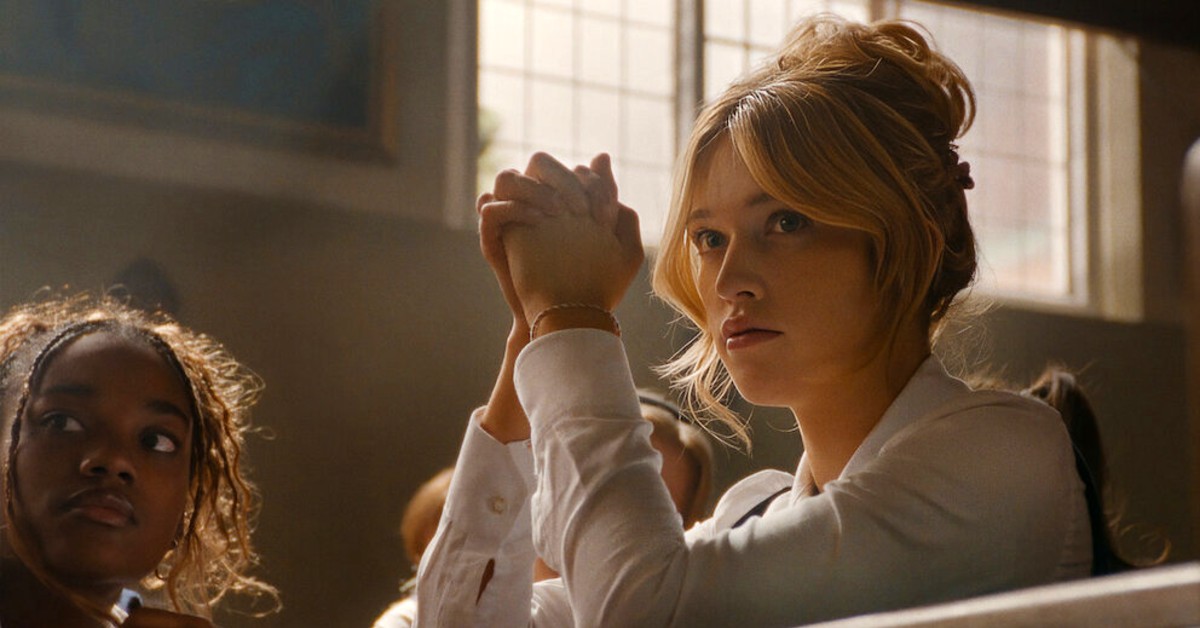

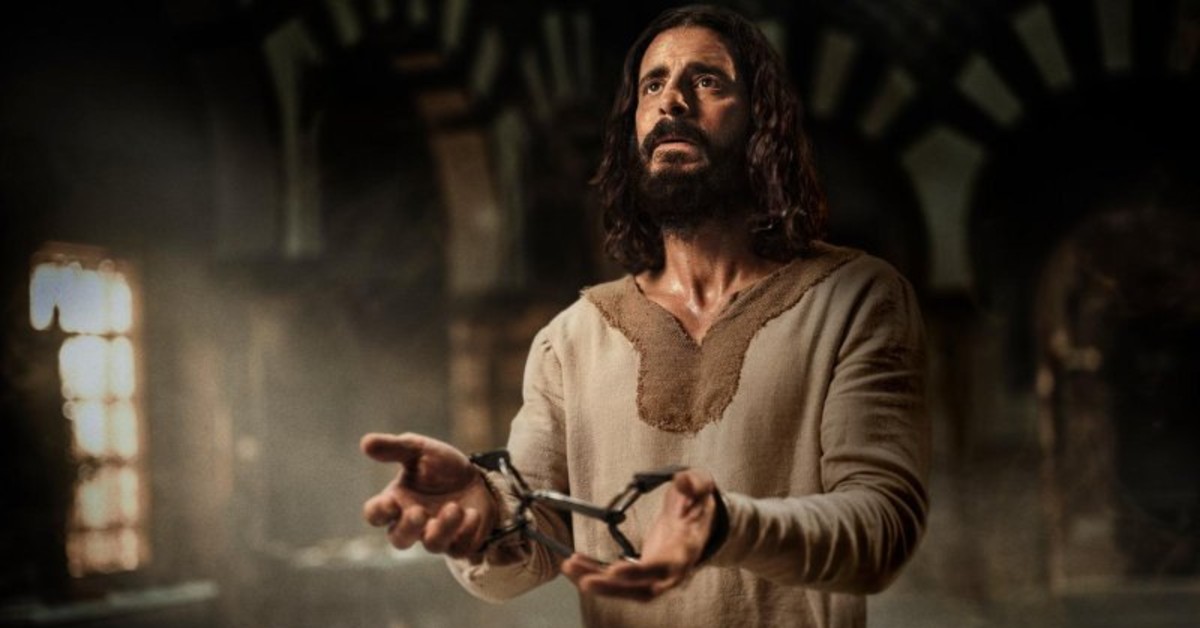
The final hours of Jesus Christ’s earthly life are taking center stage as the sixth season of the popular biblical drama “The Chosen” arrives on Prime Video, bringing viewers closer to one of the most sacred and sorrowful moments in Christian history.
The new season, which premiered on November 15, follows the events of Good Friday, focusing on the 24 hours leading to the crucifixion of Jesus Christ. For Catholic audiences, the dramatic portrayal offers an opportunity to reflect on Christ’s Passion, His sacrifice for humanity, and the meaning of suffering in the Christian life.
According to EWTN News, Season 6 consists of six episodes, with the first three released on November 15. Additional episodes will premiere weekly through December 6, while the season’s conclusion is scheduled for a special theatrical release on March 12, 2027.
For Catholic actor Jonathan Roumie, who has portrayed Jesus throughout the series, bringing the crucifixion to life required more than an emotional performance. It became an intensely personal experience that challenged him physically, spiritually, and professionally.
In an interview with EWTN News, Roumie explained how portraying Christ’s Passion transformed his understanding of suffering and its place in the Catholic faith.
“Portraying Jesus’ suffering has given me deeper insights into the concept of redemptive suffering and how do you offer your suffering up so that God can use it in a way that can save souls,” Roumie said.
Redemptive suffering is an important part of Catholic spirituality. It teaches that suffering, when united with the sacrifice of Jesus Christ, can become an offering of love and prayer for others.
Roumie acknowledged that portraying the suffering of Christ led him to reflect more deeply on the mystery of the cross, even as he recognized the limits of his own understanding.
“I don’t claim to know how all of it works, or what all of it means, or that I even understand it really completely,” he told EWTN News.
Nevertheless, the experience changed how he approaches the cross as a practicing Catholic.
Prayer Became Essential During Filming
The emotional and physical demands of filming the crucifixion scenes pushed Roumie to rely more heavily on his faith.
According to EWTN News, the actor described enduring repeated physical discomforts over weeks and months of production, experiences he referred to as “micro mortifications.”
In Catholic tradition, mortification involves accepting sacrifices or discomforts as a way of growing in spiritual discipline and drawing closer to Christ.
Roumie was careful to distinguish his own experience from the unimaginable suffering Jesus endured during His Passion.
Still, the challenges of filming became an opportunity for continuous prayer.
“Prayer became a sort of a constant conversation throughout the process because of the difficulties of filming,” he explained.
Rather than simply attempting to portray Jesus through his own abilities, Roumie described repeatedly asking God for the strength and guidance needed to fulfill the role.
His prayers included the words, “This is for you. It’s for the salvation of souls. I give it back to you.”
For Roumie, the goal was not merely to deliver a convincing performance, but to allow the presence of Christ to be reflected through his work.
Pontius Pilate Faces a Growing Moral Conflict
While Christ’s suffering remains central to the season, the series also explores the difficult choices and spiritual struggles of those involved in the events of Good Friday.
Andrew James Allen, who portrays the Roman governor Pontius Pilate, told EWTN News that viewers will witness a more conflicted version of his character.
“We see him in a very different place than he started,” Allen explained.
The actor described Pilate’s transformation from a relatively carefree figure into a man increasingly burdened by the consequences of his authority and the demands surrounding him.
According to Allen, the series attempts to present Pilate as a fully developed human character rather than someone who appears only briefly during the trial of Jesus.
His portrayal invites audiences to consider the moral responsibility that accompanies power, particularly when a person faces pressure to act against what is right.
For Christians reflecting on the Passion, Pilate’s story also raises enduring questions about conscience, justice, and the consequences of surrendering to fear.
Judas’ Final Chapter Raises Questions About Forgiveness
Another significant storyline centers on Judas Iscariot, whose betrayal of Jesus remains one of the most tragic events recorded in the Gospels.
Luke Dimyan, who portrays Judas, hopes viewers will look beyond the betrayal itself and consider the deeper questions of regret, forgiveness, and redemption.
Speaking with EWTN News, Dimyan emphasized that human failure does not necessarily place someone beyond the possibility of receiving forgiveness.
“I’ll be surprised to meet a singular person on this earth who hasn’t made a mistake that they regret,” he said.
Dimyan expressed hope that viewers would recognize the importance of not allowing past mistakes to define their entire lives.
The actor also posed a powerful question about what might have happened if Judas had lived to encounter the risen Christ and sought His forgiveness.
“Is there a doubt in anyone’s mind that if he [Judas] had waited, that if he had lasted three days, and asked forgiveness from Jesus, that Jesus wouldn’t forgive him?”
His question touches on a central teaching of the Catholic faith: God’s mercy is available to every sinner who sincerely repents and turns toward Him.
While Scripture records Judas’ betrayal, remorse, and tragic death, the Church teaches that no sin is greater than God’s mercy when a person genuinely seeks forgiveness.
The contrast between despair and trust in divine mercy remains a powerful theme for Catholics contemplating the events surrounding Christ’s death.
A Season Centered on the Mystery of the Cross
As “The Chosen” enters one of the most significant chapters of the Gospel story, its sixth season places the sacrifice of Jesus Christ at the heart of the narrative.
The accounts shared by Roumie and his fellow cast members suggest that the weight of these events extended beyond the screen, prompting personal reflection on faith, suffering, responsibility, and forgiveness.
For Catholic viewers, the portrayal of Good Friday offers more than a dramatic retelling of familiar biblical events. It provides an occasion to contemplate the love of Christ, who willingly accepted suffering and death for the salvation of the world.
The Passion also reminds the faithful that the cross cannot be separated from the hope of the Resurrection.
As audiences watch the final hours of Jesus’ earthly ministry unfold, the message at the center of the Christian faith remains unchanged: Christ’s sacrifice reveals the depth of God’s love, and His mercy continues to offer hope to a fallen world.
Your support brings the truth to the world.
Catholic Online News exists because of donors like you. We are 100% funded by people who believe the world deserves real, uncensored news rooted in faith and truth — not corporate agendas. Your gift ensures millions can continue to access the news they can trust — stories that defend life, faith, family, and freedom.
When truth is silenced, your support speaks louder.